
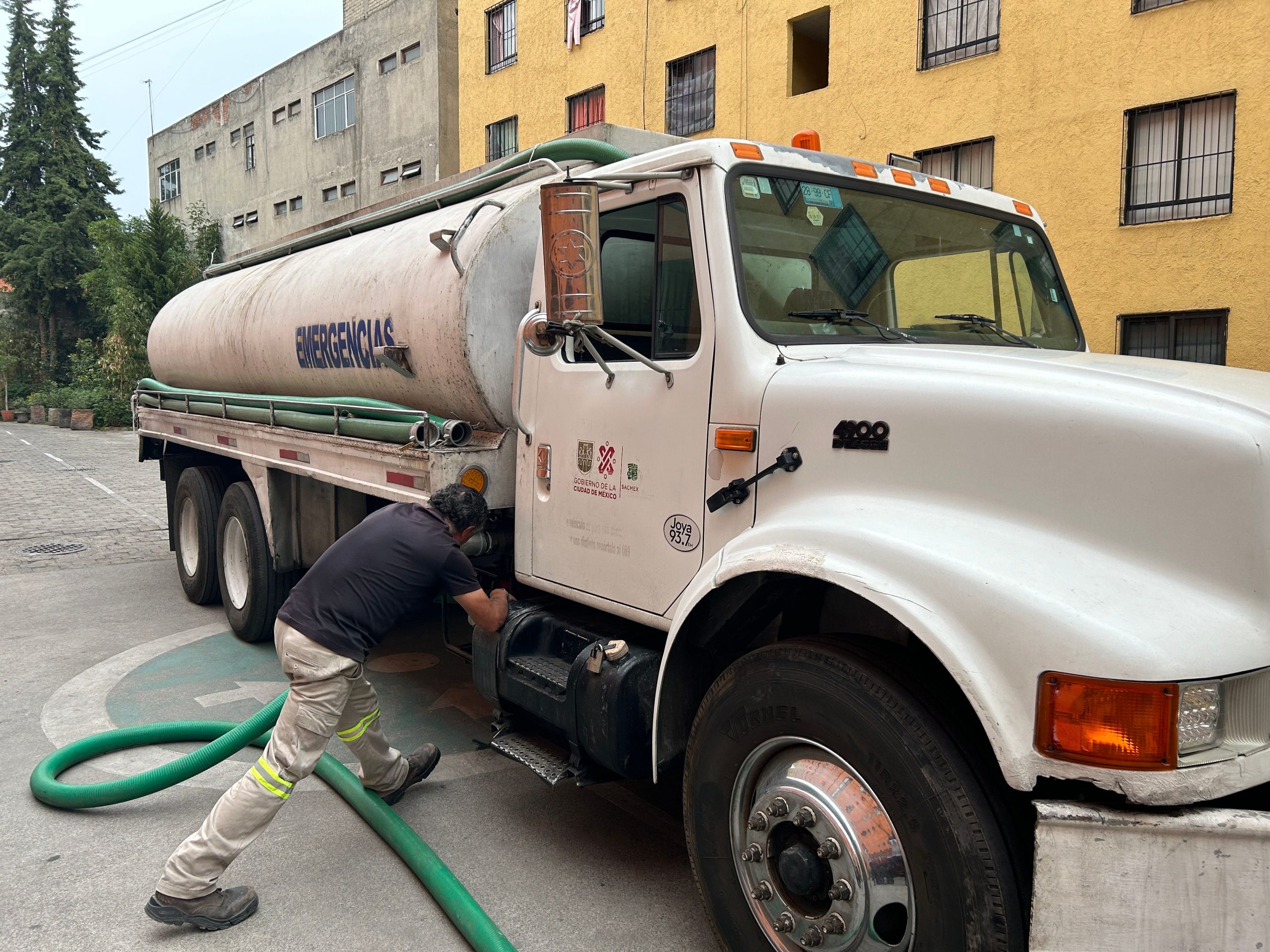
Septic Tank Service Companies: 9 Ways to Run a More Efficient Septic System Business
Septic tank service companies help homeowners, property managers, and businesses keep onsite wastewater systems working properly through pumping, inspections, maintenance, repairs, and related services. For a septic system business, however, delivering these services involves much more than sending a truck to a property. Teams must manage recurring appointments, service records, technicians, routes, customer communication, equipment, billing, and emergency requests.
That makes organized operations especially important. In this guide, we will look at the core services septic companies provide, how a septic service operation works, the challenges these businesses face, and the tools and processes that can help them manage daily work more effectively.
What Do Septic Tank Service Companies Do?
Septic tank service companies maintain and service onsite wastewater systems. Their exact services vary by location, licensing requirements, equipment, and customer needs. However, most businesses focus on a combination of pumping, inspections, maintenance, repairs, and emergency service.
For example, a typical septic company may handle:
- Septic tank pumping
- Tank inspections
- Septic system maintenance
- Drainfield inspections and related services
- Tank cleaning
- Minor repairs and troubleshooting
- Emergency service calls
- Commercial septic maintenance
- Recurring pumping schedules
- Property service documentation
The EPA’s septic system maintenance guidance recommends regular inspection and pumping based on system conditions, household factors, and other variables. Therefore, service companies often need to maintain accurate property and service histories so they can provide the right service at the right time.
A septic company is not only a pumping service. It can operate as a recurring field service business that manages customers, vehicles, technicians, schedules, property records, service documentation, and billing.
How a Septic System Business Typically Works
A septic system business usually starts with a customer request. That request might involve routine pumping, an inspection, an urgent backup, a maintenance visit, or a recurring service agreement.
From there, the business needs to move the job through several stages:
- Capture the customer request: Record the customer’s contact details, property address, requested service, and preferred appointment time.
- Review property information: Check previous service records, tank information, access notes, and other details that can help the crew prepare.
- Schedule the appointment: Assign the appropriate technician and truck based on the job requirements.
- Plan the route: Group nearby appointments when possible to reduce unnecessary travel.
- Complete the service: The technician performs the work and records findings, photos, measurements, notes, and recommendations.
- Close the job: Generate the invoice, record payment details, and save the completed service history.
- Schedule future work: If the customer needs recurring service, create a future reminder or appointment based on the appropriate maintenance schedule.
As a result, every completed job can become part of a long-term customer relationship rather than a one-time transaction.
9 Ways Septic Tank Service Companies Can Improve Operations
1. Centralize Customer and Property Records
Septic service depends heavily on property-specific information. A technician may need to know where the tank sits, how the property can be accessed, what work the company performed previously, and whether the customer has recurring service requirements.
Keeping these details in separate spreadsheets, paper files, text messages, and notebooks makes information harder to find. Instead, septic tank service companies can maintain a centralized customer record containing contact information, property details, service history, notes, invoices, photos, and future appointments.
This approach also helps when a different technician handles the next visit. The crew can review the property’s history before arriving instead of relying entirely on memory or a phone call to the office.
2. Build a Reliable Scheduling Process
Scheduling can become difficult when a septic company handles routine pumping, inspections, maintenance visits, and emergency calls at the same time.
A clear scheduling process helps the office see which jobs need attention, which technicians are available, and where each truck needs to go. Recurring services also deserve special attention because the business needs a reliable way to remember future appointments.
For businesses that manage several field workers, technician scheduling software can provide a useful framework for assigning jobs, coordinating availability, and keeping field schedules organized.
Separate routine appointments from urgent service requests on the schedule. This makes it easier to handle emergencies without losing visibility into recurring work.
3. Optimize Routes for Service Trucks
Septic service often requires heavy service vehicles and travel between properties. Consequently, inefficient routing can consume valuable working time and increase fuel use.
Instead of scheduling jobs only by the order in which customers call, dispatchers can consider geography, appointment windows, vehicle requirements, and the locations of other scheduled jobs.
Route planning becomes even more important when a company serves a large rural area. Grouping nearby appointments can reduce unnecessary backtracking and give crews a more predictable workday.
Businesses that want to explore this operational approach can also review route optimization software and the ways it can support field service routing.
4. Keep Detailed Service Histories
A septic property’s history can help a company understand what happened during previous visits. Instead of recording only the date and price, businesses can keep notes about the service performed, observed conditions, recommendations, photos, and follow-up work.
For example, a service record might include the tank location, access instructions, previous pumping date, inspection notes, and recommended future work.
Accurate records also help customers understand what the company did during a visit. In addition, they give office staff useful information when customers call with questions about previous service.
5. Improve Customer Communication
Customers often need clear information before, during, and after a service visit. Appointment confirmations, arrival updates, service reminders, invoices, and follow-up messages can all affect the customer experience.
For a recurring septic service business, communication also creates opportunities to stay connected with customers between appointments. For example, a company can remind customers about upcoming scheduled service instead of waiting for them to discover a problem.
A centralized communication process can also reduce the risk of different employees giving customers conflicting information. For broader ideas, see this guide to customer communication software.
6. Create Consistent Field Workflows
Technicians should follow a consistent process for each type of service. That does not mean every job needs the same checklist. Instead, the business can create practical workflows for pumping, inspections, repairs, and emergency calls.
A field workflow might prompt technicians to record:
- Arrival and completion times
- Service performed
- Property or tank location details
- Relevant measurements
- Photos
- Problems discovered
- Recommended follow-up work
- Customer approval or signature when required
Standardized workflows reduce missing information and make completed jobs easier for office staff to review.
7. Track Trucks and Equipment
A septic company depends on specialized vehicles and equipment to complete field work. Therefore, equipment management should form part of the overall operating process.
Businesses can track vehicle assignments, maintenance schedules, inspections, repairs, and equipment issues. This helps managers identify upcoming maintenance needs before a vehicle problem disrupts a day’s route.
In addition, keeping equipment information alongside job schedules can help dispatchers assign suitable resources to specific work.
8. Manage Billing and Payments Efficiently
Completing a service does not finish the business process. The company also needs to create an accurate invoice, record the payment, and keep the customer’s account up to date.
Manual data entry creates more opportunities for errors, particularly when employees move information between paper work orders, spreadsheets, accounting systems, and payment records.
A connected workflow can reduce duplicate entry. For instance, information captured during a completed field job can flow into the billing process, giving office staff a clearer view of outstanding balances and completed work.
9. Use Customer Data to Manage Recurring Work
Recurring service can become an important part of a septic business because customers may need future inspections, pumping, maintenance, or other services. However, a company cannot manage recurring work effectively if it does not know when each customer was last serviced.
That is why service history and scheduling should work together. When a technician closes a job, the business should have a clear process for identifying any future action that needs to occur.
For example, instead of relying on a handwritten note that says “contact customer later,” the office can record the next recommended action directly against the customer or property record.
What Should Septic Service Software Manage?
There is no single software setup that fits every septic company. A one-truck operation may need a simple scheduling and invoicing workflow, while a larger business may need dispatching, route planning, customer management, mobile field tools, reporting, and integrations.
However, a practical system should support the core workflow from the first customer inquiry through completed service and future follow-up.
| Business need | Useful capability | Practical benefit |
|---|---|---|
| Customer management | Centralized customer records | Faster access to customer and property information |
| Scheduling | Calendar and recurring appointments | Better control over routine and urgent work |
| Dispatching | Technician and truck assignment | More organized field operations |
| Routing | Route planning and mapping | Less unnecessary travel between jobs |
| Field documentation | Mobile forms, notes, and photos | More complete service records |
| Billing | Invoices and payment tracking | Less manual administrative work |
| Follow-up | Reminders and future scheduling | Better visibility into recurring service |
When Should a Septic Business Consider Custom CRM Software?
Off-the-shelf field service platforms can work well for many companies. However, some septic tank service companies develop workflows that standard software cannot handle cleanly.
For example, a growing company may need customer records connected to property details, recurring service schedules, truck assignments, inspection documents, billing, communication, and internal reporting. If employees constantly move information between several disconnected systems, the business may benefit from a more tailored setup.
In that situation, custom CRM development can help a business design customer and operational workflows around its actual processes rather than forcing every department into a generic workflow.
However, custom development should solve a real operational problem. A small company with straightforward scheduling and billing may not need a highly customized platform. Instead, it should first identify where its current process creates delays, duplicate work, missed follow-ups, or poor visibility.
Common Mistakes Septic Tank Service Companies Should Avoid
Relying on Paper for Everything
Paper forms can work for simple operations, but they become harder to manage as job volume increases. Records can take longer to find, and office staff may need to re-enter information into another system.
Ignoring Recurring Customers
A customer who needs future service should not disappear from the business workflow after one completed appointment. Instead, record the relevant service history and create an appropriate follow-up process.
Scheduling Without Considering Geography
Booking appointments solely by availability can create inefficient routes. Therefore, dispatchers should consider location as well as technician availability and appointment requirements.
Keeping Customer Information in Separate Places
When contact details, service history, invoices, and property notes live in different systems, employees spend more time searching for information. Centralizing key records makes daily work easier to coordinate.
Skipping Service Documentation
A completed job should leave behind a useful record. Missing notes and photos can make future service harder and can limit the office team’s understanding of what happened in the field.
How to Choose the Right Operational Setup
Before choosing software or changing internal processes, septic companies should map their current workflow.
Start by asking:
- How do customers currently request service?
- Where does the company store customer and property information?
- How are recurring appointments tracked?
- How does the office assign technicians and trucks?
- How are routes planned?
- How do technicians document completed work?
- How does information move from the field to billing?
- How does the business identify customers who need future service?
- Which tasks require duplicate data entry?
Next, identify the biggest operational bottlenecks. A company that struggles with missed appointments needs a different priority from one that already schedules well but loses time through poor routing.
Do not choose software only because it has a long feature list. Match the system to your actual service workflow, team size, vehicle requirements, customer volume, and reporting needs.
Why Organized Operations Matter for a Septic System Business
A septic service business has several moving parts. Customers expect reliable appointments, technicians need accurate job information, dispatchers need schedule visibility, and managers need to understand what is happening across the operation.
When these processes connect, the company can spend less time searching for information and more time completing service work. In addition, accurate records make future customer interactions easier because employees can see what happened during previous visits.
Regular maintenance also depends on good records. The EPA notes that inspection and pumping frequency varies according to factors such as tank size, household size, water use, and accumulated solids. Therefore, a business should avoid treating every property as identical and should maintain useful service information for each customer. The EPA’s septic system FAQ provides additional guidance on inspection, pumping, maintenance, and system failures.
Frequently Asked Questions
Frequently Asked Questions
What services do septic tank service companies provide?
Common services include septic tank pumping, inspections, maintenance, cleaning, troubleshooting, repairs, emergency service, and recurring maintenance. Exact services vary by company, location, licensing rules, and equipment.
How can a septic system business manage recurring customers?
Keep a service history for each property and record future service requirements. Scheduling software or a CRM can then help the business track upcoming appointments and send customer reminders.
Why is route planning important for septic companies?
Septic service often requires travel between properties with specialized trucks. Better route planning can help businesses organize nearby appointments, reduce unnecessary travel, and give dispatchers greater visibility into the day’s work.
What should septic service software include?
Useful capabilities can include customer management, property records, scheduling, recurring appointments, dispatching, route planning, mobile work orders, service documentation, invoicing, payments, and reporting.
Should a small septic company use a CRM?
A CRM can help when a business needs better customer records, lead tracking, communication, f