
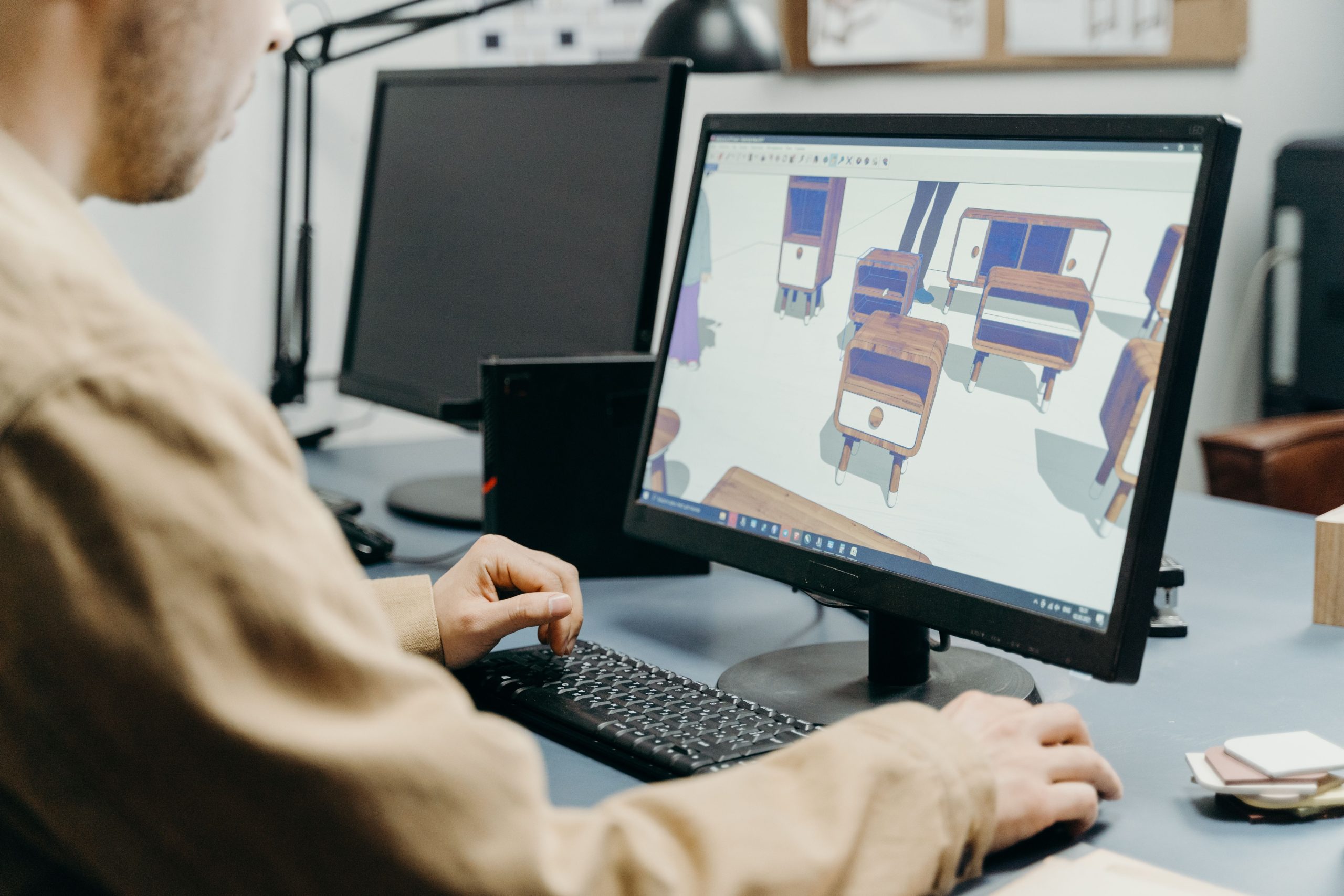
Exploring the Power of Interior Design Software in Modern Design
In the ever-evolving world of interior design, technology has become an indispensable ally. Whether you are a seasoned designer or a homeowner looking to breathe new life into your space, interior design software offers a dynamic way to visualize, plan, and execute your ideas. This blog dives into how these tools are revolutionizing the industry, enhancing creativity, and streamlining interior design services for professionals and enthusiasts alike.
Why Interior Design Software Matters
Gone are the days when interior design meant endless sketches and cumbersome revisions. Today’s digital tools provide a platform to experiment with styles, colors, layouts, and materials without ever lifting a paintbrush. Interior design software not only speeds up the design process but also improves accuracy and client communication.
One of the greatest advantages of using interior design software is its ability to create realistic 3D models and walkthroughs. These visualizations help clients see the potential of a space before any physical work begins, reducing misunderstandings and costly changes. Moreover, many programs integrate with other design tools, allowing for seamless workflows and easier collaboration between architects, contractors, and designers.
Key Features of Modern Interior Design Software
When choosing the right software, it’s crucial to understand the core features that can elevate your design projects. Here are some essential capabilities to look out for:
- 3D Visualization: Transform your ideas into lifelike 3D renderings that showcase every detail from furniture placement to lighting effects.
- Drag-and-Drop Interface: Simplify the design process with intuitive controls that let you arrange elements easily.
- Material and Color Libraries: Access extensive catalogs of textures, finishes, and paint colors to experiment with various aesthetics.
- Floor Planning Tools: Create accurate floor plans with dimensions, allowing precise space planning and furniture arrangement.
- Virtual Reality Integration: Immerse clients in their future spaces through VR walkthroughs, enhancing their decision-making experience.
- Cost Estimation: Some software includes budgeting tools to track material costs and project expenses, keeping your design within financial limits.
How Interior Design Services Are Enhanced by Software
Interior design services today are much more than just decorating a room. Professionals provide comprehensive solutions that involve space optimization, functional planning, and aesthetic harmony tailored to client preferences. Interior design software is a game-changer in delivering these services efficiently and with greater accuracy.
By leveraging software, designers can offer clients multiple design options quickly. Clients can see variations in layout, style, and color schemes without the need for repetitive in-person meetings. This flexibility not only improves client satisfaction but also increases the productivity of design firms.
Additionally, interior design services benefit from integrated project management features found in many advanced software solutions. These tools help coordinate schedules, manage supplier information, and track project milestones, making the entire process smoother and more transparent.
Popular Interior Design Software Options
The market offers a variety of interior design software catering to different levels of expertise and project needs. Here are some popular choices to consider:
- SketchUp: Known for its ease of use and powerful 3D modeling capabilities, SketchUp is favored by professionals and beginners alike.
- AutoCAD: A classic in the design world, AutoCAD is perfect for detailed floor plans and technical drawings.
- HomeByMe: A user-friendly tool that allows users to create and share realistic 3D home designs online.
- Roomstyler 3D Home Planner: Ideal for quick room layouts and experimenting with furniture and decor styles.
- Chief Architect: A comprehensive program tailored for both residential and light commercial design projects.
For those interested in exploring the creative potential of digital design beyond interiors, you might also enjoy reading about the Best 3D Modeling Software: Unlocking Creativity and Innovation.
Integrating Interior Design Software with Other Construction Technologies
Interior design does not operate in isolation, especially in larger construction projects. The integration of interior design software with construction management and contractor software creates a cohesive environment where design meets execution.
This integration ensures that design intentions are accurately conveyed to contractors and that any changes during construction are quickly updated in the design plans. For example, the synergy between interior design tools and construction project management software, as discussed in The Best Construction Management Software: Revolutionizing Construction Company Operations, highlights how technology streamlines communication and reduces errors.
Similarly, contractor software can be used alongside interior design applications to manage bids, schedules, and contracts efficiently. You can learn more about these solutions in The Best Contractor Software: Streamlining Construction and Contract Management.
The Future of Interior Design Software
The future looks bright for interior design software as advancements in artificial intelligence, machine learning, and augmented reality continue to push the boundaries of what is possible. Imagine software that can automatically suggest design improvements based on client preferences or augmented reality apps that allow clients to visualize furniture and decor in their actual rooms using their smartphones.
Moreover, as interior design services increasingly embrace digital transformation, custom solutions tailored to specific business needs become essential. This is where custom CRM development plays a crucial role, helping interior design firms manage client relationships, projects, and workflows uniquely suited to their processes.
Conclusion
Embracing interior design software is no longer optional for anyone serious about creating beautiful, functional spaces efficiently. These tools empower designers and clients alike by providing clear visualizations, improving collaboration, and streamlining project management. Whether you are stepping into the world of interior design or looking to enhance your professional services, integrating the right software can transform your approach and results.
To stay ahead in this digital age, consider exploring how technology like custom CRM development can further optimize your interior design services, ensuring every project runs smoothly from concept to completion.
For more insights on innovative technology solutions that can elevate your business, check out our dedicated page on custom CRM development.