
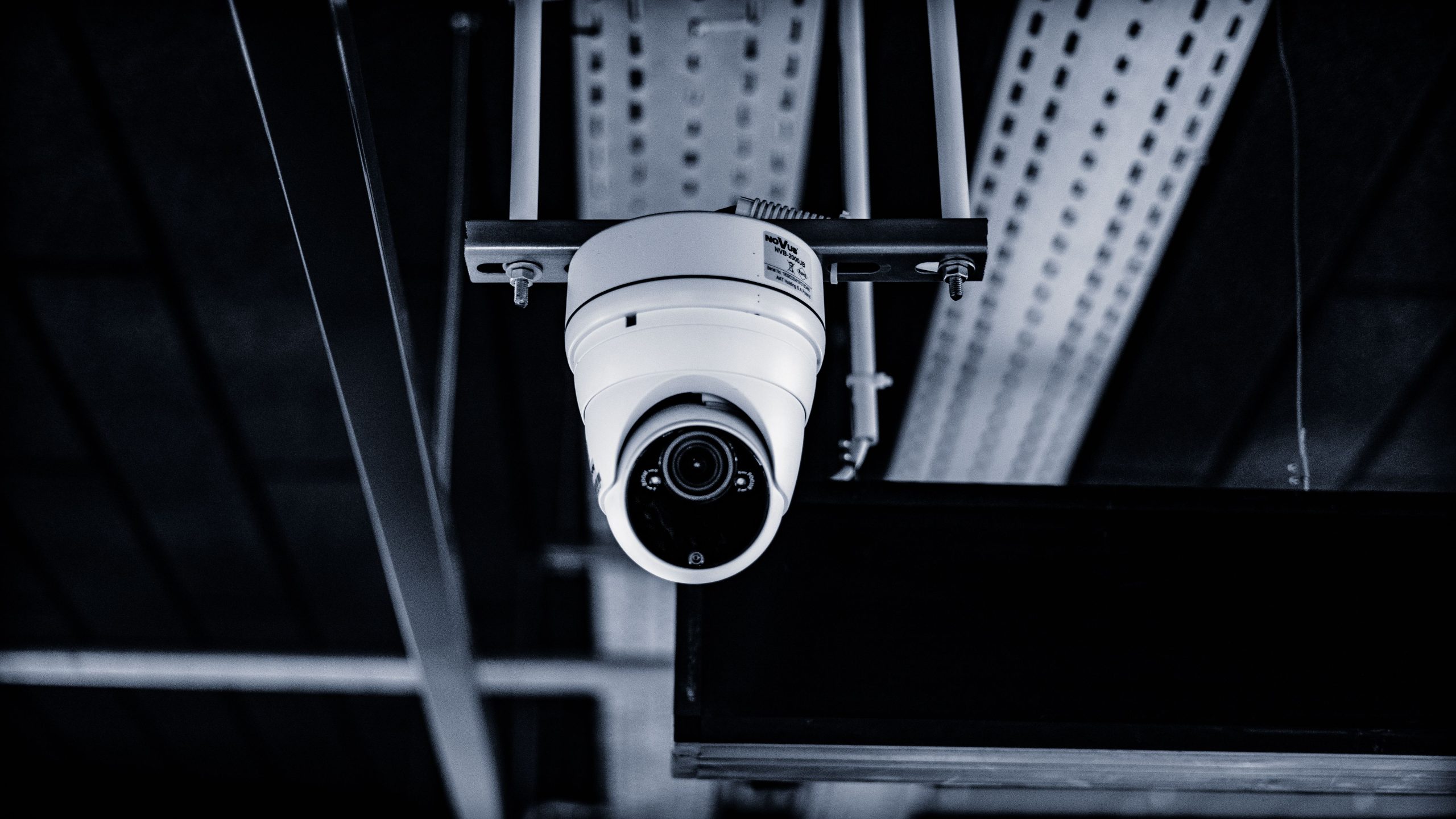
The Ultimate Guide to CCTV Installation Software: Enhancing Security with Technology
In today’s security-conscious world, keeping properties safe requires more than just physical cameras. The backbone of an effective surveillance system is intelligent software that simplifies CCTV installation, management, and monitoring. CCTV installation software has revolutionized how security professionals and businesses plan, install, and maintain camera systems, ensuring optimal coverage and performance. This blog explores the importance of CCTV installation software, the tools involved in CCTV camera installation, and how technology like custom CRM development supports security service providers.
Why CCTV Installation Software is Essential
Installing a CCTV system is no longer a straightforward task of mounting cameras and connecting cables. Modern surveillance setups require accurate planning, configuration, and ongoing management to maximize their effectiveness. This is where CCTV installation software plays a critical role.
CCTV installation software helps professionals:
- Design camera layouts based on the area’s layout and security needs
- Calculate optimal camera angles and coverage zones
- Manage device configurations such as IP addresses, resolution, and recording settings
- Monitor system status and troubleshoot remotely
- Document and report installation progress and maintenance activities
By leveraging these software solutions, installers can reduce errors, save time, and deliver systems that meet client expectations precisely. Moreover, software integration with mobile apps and cloud platforms has made it possible to control CCTV systems from anywhere, adding layers of convenience and responsiveness.
Key Features to Look for in CCTV Installation Software
When selecting CCTV installation software, several features ensure you get the best value and usability:
- Site Survey and Planning Tools: These allow mapping out camera positions on blueprints or site maps, helping visualize coverage and blind spots before installation.
- Device Management: Simplify adding, configuring, and updating cameras and other security devices.
- Real-Time Monitoring: View live feeds and receive alerts directly from the software interface.
- Integration Capabilities: Compatibility with various camera brands, analytics tools, and smart home or business security systems.
- Reporting and Documentation: Generate detailed installation reports, maintenance logs, and compliance documentation.
- User-Friendly Interface: Intuitive controls, drag-and-drop features, and tutorials to support technicians of all skill levels.
The Essential CCTV Camera Installation Tools List
Aside from specialized software, technicians rely on an arsenal of hardware tools to execute flawless CCTV camera installations. Here is a comprehensive CCTV camera installation tools list every installer should have:
- Cable Stripper and Cutter: For preparing coaxial, Ethernet, or power cables.
- Crimping Tool: To attach connectors like RJ45 plugs to cables.
- Cable Tester: Ensures cables are correctly wired and functional.
- Drill and Drill Bits: Needed for mounting brackets and running cables through walls or ceilings.
- Screwdrivers: Various types including Phillips and flathead for securing cameras and junction boxes.
- Fish Tape or Cable Puller: Helps guide cables through conduit or tight spaces.
- Voltage Tester: To check electrical circuits before and after installation.
- Ladder or Scaffolding: For reaching high mounting points safely.
- Network Switch: For connecting multiple IP cameras on a network.
- Monitor or Mobile Device: To view camera feeds during installation and configuration.
- Label Printer: For marking cables and devices to streamline troubleshooting later.
- Safety Gear: Gloves, goggles, and helmets for protection during installation.
Combining these physical tools with robust CCTV installation software enables installers to complete projects efficiently and to high standards.
How CCTV Installation Software Enhances Installation Services
Professional CCTV installation services benefit hugely from integrating software into their workflows. The software supports:
- Pre-Installation Planning: Creating accurate layouts and camera placement plans reduces guesswork and onsite delays.
- Remote Configuration: Technicians can set up cameras remotely, reducing the need to revisit sites multiple times.
- System Health Monitoring: Early detection of faults or connectivity issues minimizes downtime.
- Customer Communication: Clear visuals and reports help clients understand system design and progress.
- Workflow Automation: Automated scheduling, reminders, and inventory management ensure smooth operations.
The use of CCTV installation software aligns with the broader trend towards digital transformation in field service industries. For example, businesses can explore how field service management software enhances efficiency in similar on-site service environments in this article: The Best Field Service Management Software: Enhancing Efficiency for Businesses on the Go.
Popular CCTV Installation Software Solutions
A variety of CCTV installation software is available catering to different needs and budgets. Some widely used options include:
- iSpy: Open-source surveillance software offering camera management and motion detection.
- Blue Iris: Popular for managing multiple cameras with rich alerting and recording features.
- Milestone XProtect: Enterprise-level software with advanced video management and analytics.
- Vivotek VAST: Tailored for professional installations with detailed device management.
- Hikvision iVMS: Designed for Hikvision devices but widely used for integrated monitoring and control.
Choosing the right software depends on factors like system complexity, user expertise, and integration needs.
Integrating CCTV Installation with Network and Security Management
CCTV systems do not operate in a vacuum. They usually form part of a wider network and security infrastructure. Effective installation software often supports integration with:
- Network Monitoring Software: To keep surveillance networks running smoothly. Learn more about this in The Best Network Monitoring Software: Essential Tools for Seamless Connectivity.
- Network Security Tools: Protecting CCTV feeds and system access from cyber threats is vital, as detailed in Network Security Software and Network Security Monitoring Tools: The Pillars of Digital Protection.
- Contractor Software: For managing installation projects, contracts, and client interactions efficiently. Read more at The Best Contractor Software: Streamlining Construction and Contract Management.
The Role of Custom CRM Development in CCTV Installation Services
Managing clients, projects, scheduling, and support can become complex as CCTV installation businesses grow. This is where custom CRM development can make a significant difference. Tailored CRM systems designed specifically for security service providers help streamline:
- Customer relationship management
- Job scheduling and dispatching
- Inventory and equipment tracking
- Invoicing and payment processing
- Service history and warranty tracking
Custom CRM solutions enable companies to provide superior customer experiences and improve operational efficiency. For businesses seeking to elevate their CCTV installation services through technology, exploring custom CRM development can be a game changer. Visit this page to learn more about how custom CRM development can benefit your business: custom CRM development.
Future Trends in CCTV Installation Software
The future of CCTV installation software is exciting, driven by innovations such as:
- Artificial Intelligence: Automated camera positioning suggestions based on AI analysis of site layouts.
- Augmented Reality: AR apps to visualize camera coverage in real-time onsite.
- Cloud-Based Platforms: Enhanced accessibility and scalability for multi-site installations.
- IoT Integration: Cameras and sensors working seamlessly with other smart security devices.
- Automation and Robotics: Use of drones or robots for hard-to-reach camera installations and inspections.
These advancements will continue to make CCTV installation faster, smarter, and more reliable, further increasing the value delivered by security professionals.
Conclusion
CCTV installation software is a vital tool that transforms how security systems are designed, installed, and managed. By combining powerful software solutions with essential physical tools from the CCTV camera installation tools list, installers can deliver effective, reliable surveillance systems that meet modern security demands. Integration with network and security software and leveraging custom CRM development further enhances service quality and operational management.
As technology evolves, staying updated with the latest CCTV installation software and tools is crucial for professionals aiming to provide top-notch security solutions. For those interested in integrating tailored technology solutions into their business, exploring custom CRM development is highly recommended to streamline client and project management effectively.
For more information on how custom CRM development can support your CCTV installation services, visit: custom CRM development.