
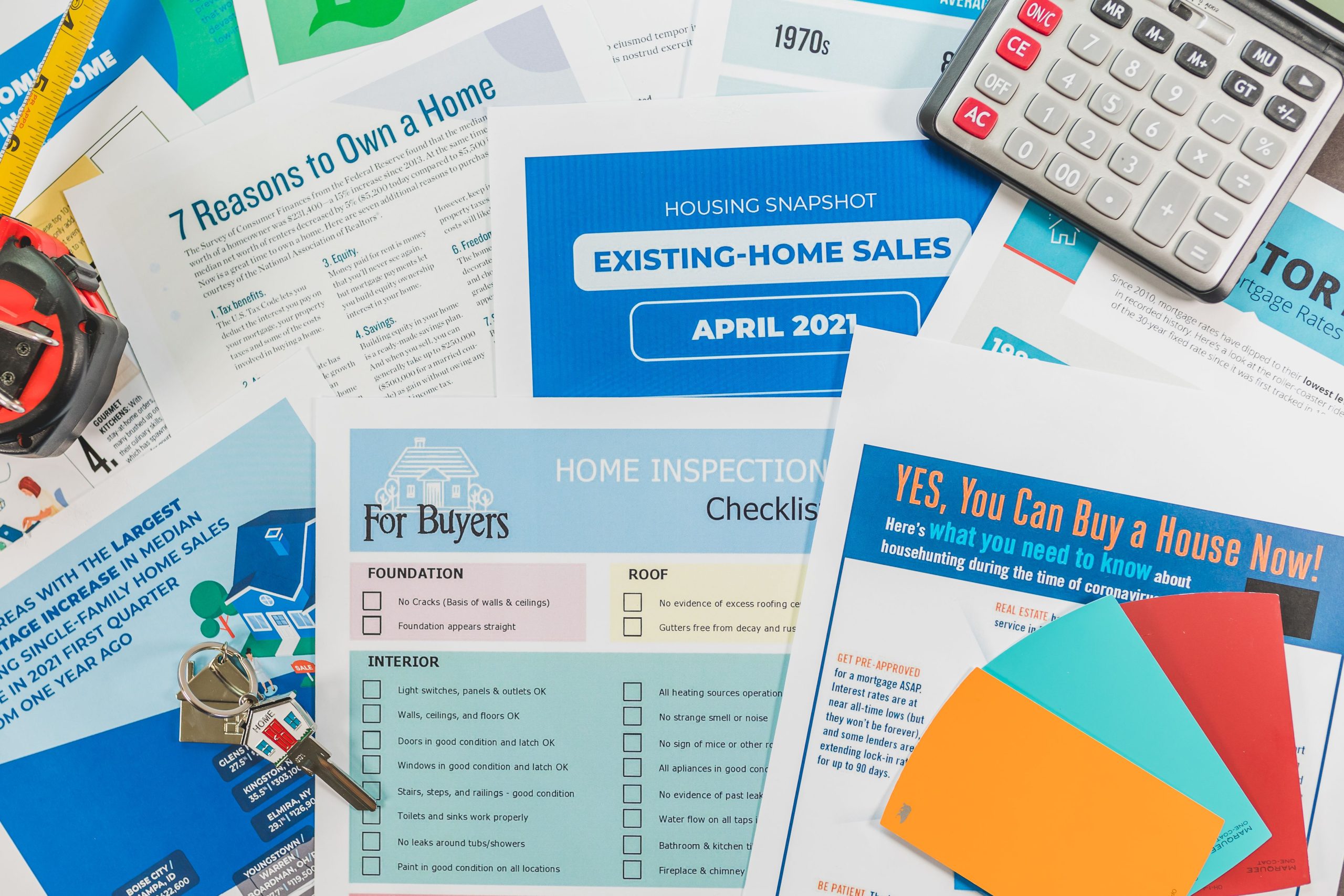
10 Home Inspection Software Features That Streamline Inspections and Reporting
Home inspection software helps inspectors manage the full inspection workflow, from booking appointments and organizing property details to capturing findings, creating reports, collecting payments, and communicating with clients. Instead of switching between spreadsheets, calendars, paper notes, email, and separate reporting tools, inspectors can manage key tasks from one system.
For a growing home inspection service, that centralized workflow can make daily operations easier to manage and give clients a more organized experience. The right platform also helps inspectors spend more time inspecting properties and less time handling repetitive administrative work.
In this guide, we’ll explore the most useful features of home inspection software, how the workflow works, the benefits for inspection businesses, what to consider before choosing a platform, and common mistakes to avoid.
What Is Home Inspection Software?
Home inspection software is a business and field-work platform designed to help inspectors manage property inspections and the tasks surrounding them. Depending on the platform, it can cover scheduling, customer management, inspection templates, photo documentation, report writing, agreements, invoicing, payments, and follow-up communication.
More importantly, the software connects these tasks into a single workflow. For example, when a customer books an inspection, the system can store the property information, assign the appointment, provide the inspector with the job details, capture findings during the visit, and help prepare the final report.
The exact workflow varies by provider. However, most inspection-focused platforms aim to reduce manual data entry and keep inspection information organized from the first customer inquiry through report delivery.
The value of home inspection software comes from connecting inspection work with scheduling, reporting, customer management, and payment tasks instead of treating each activity as a separate process.
How Does Home Inspection Software Work?
A typical inspection workflow follows several connected steps. First, the inspector receives a request and schedules the appointment. Next, the system stores the property and customer information so the inspector can access it before arriving.
During the inspection, the inspector can use a mobile device to record observations, add notes, capture photos, and complete inspection sections. Afterward, the software can organize those findings into a professional report that the inspector reviews before sending it to the client.
The process can then continue with invoicing, payment collection, follow-up messages, and record keeping. As a result, the business maintains a useful history of inspections, clients, properties, and transactions.
10 Important Features of Home Inspection Software
1. Inspection Scheduling and Calendar Management
Scheduling is one of the first areas where inspection businesses can lose time. Calls, emails, calendar updates, and rescheduling can quickly become difficult to manage when several inspections take place each week.
Home inspection software can provide a central calendar where inspectors can view appointments, availability, property details, and job status. Some platforms also offer online booking, automated confirmations, reminders, and calendar integrations.
For multi-inspector businesses, scheduling becomes even more important. Managers can assign appointments based on availability, location, service type, or inspector workload.
If scheduling involves several field employees, technician scheduling software can also provide useful ideas for organizing appointments, assignments, and field workloads.
2. Mobile Inspection Tools
Inspectors spend much of their working time away from a desk. Therefore, software should support field work rather than force inspectors to recreate their notes later.
A mobile inspection app can let inspectors access property information, complete digital checklists, write notes, take photos, and record findings while walking through the property. Some platforms also support offline work, which can help when an inspection takes place in an area with weak connectivity.
The goal is simple: capture information at the point of inspection instead of relying on handwritten notes that someone must enter into the system later.
3. Custom Inspection Templates
Every inspection business may use different report structures, services, and terminology. A good platform should therefore allow inspectors to customize templates instead of forcing every job into the same format.
Templates can organize inspection areas such as structural components, roofing, electrical systems, plumbing, heating and cooling systems, interiors, exteriors, and other relevant components.
However, software should support the inspector’s professional process rather than replace it. For example, the American Society of Home Inspectors explains that its Standard of Practice establishes a minimum standard for inspections performed by inspectors who subscribe to it and specifies reporting expectations for inspected systems and components. Inspectors should follow the standards and regulations that apply to their work. ASHI’s current Standard of Practice provides an authoritative reference for inspectors who use that standard.
4. Photo and Finding Documentation
Photos can provide important visual context for inspection findings. Instead of keeping photos in a separate phone gallery and matching them to notes later, inspection software can connect images with specific findings or report sections.
For example, an inspector might photograph a damaged roof component, add a description, assign a priority, and associate the image with the appropriate report section during the inspection.
This approach keeps evidence organized and reduces the risk of losing track of which image belongs to which observation.
5. Faster Report Generation
Report writing can take significant administrative time after an inspection. Home inspection software can simplify the process by providing reusable comments, templates, structured findings, photo placement, and report formatting.
Instead of starting every report from a blank document, an inspector can work from a predefined structure and customize the information for each property.
However, automation should not remove professional review. The inspector should check the report for accuracy, context, clarity, and completeness before delivering it to the client.
6. Client and Property Management
Inspection companies need more than inspection notes. They also need accurate information about customers, properties, real estate agents, previous inspections, services, agreements, and payments.
A centralized client management system keeps these records together. When a returning customer contacts the business, the team can review previous information without searching through multiple spreadsheets or email conversations.
This becomes especially useful for inspection companies that work with repeat clients, property managers, investors, or real estate professionals.
7. Digital Agreements and Signatures
Inspection businesses often need customers to review and accept agreements before the appointment. Digital agreements can simplify this process by allowing customers to review documents and provide signatures electronically.
As a result, inspectors can spend less time managing paper documents and can keep signed agreements connected to the relevant customer or inspection record.
Software does not determine which agreements, disclosures, licenses, or inspection standards apply to a business. Those requirements can vary by jurisdiction and service. Always confirm the rules that apply to your inspection business.
8. Invoicing and Payment Collection
Inspection software can also connect the completed job with billing. Depending on the platform, inspectors may be able to create invoices, record payments, send payment reminders, or accept online payments.
Connecting payments with inspection records makes it easier to see which jobs have been paid and which still require follow-up.
For a small home inspection service, this can remove several manual steps from the billing process. Instead of checking a separate spreadsheet, email inbox, and payment account, the business can maintain a clearer financial record within its operational workflow.
9. Automated Customer Communication
Customers often need basic information before and after an inspection. They may need appointment confirmations, preparation instructions, reminders, payment messages, or notification when their report becomes available.
Automated email and SMS communication can handle routine messages while allowing inspectors to focus on field work.
At the same time, automation should remain personal enough to avoid confusing customers. Businesses should review message templates regularly and make sure they provide accurate appointment details.
For broader customer communication strategies, customer communication software features can provide useful examples of how automated messages, centralized information, and customer interactions can work together.
10. Reporting and Business Analytics
As an inspection company grows, basic operational data becomes more useful. Software can help owners track information such as completed inspections, appointment volume, revenue, service types, inspector workloads, and customer records.
These insights can help identify scheduling bottlenecks and understand which services generate the most activity. However, analytics only help when the underlying data remains accurate and consistent.
Home Inspection Software vs. General Field Service Software
Home inspectors can use general field service platforms, but inspection-focused software may provide tools that better match the inspection workflow.
| Area | Home Inspection Software | General Field Service Software |
|---|---|---|
| Inspection reports | Often includes inspection-specific templates and reporting tools | May require customization or another reporting tool |
| Mobile field work | Designed around inspection data capture | Usually designed for broader service jobs |
| Scheduling | Supports inspection appointments and inspector calendars | Often supports broader technician scheduling |
| Photo documentation | Often connected directly to findings and reports | May support photos without inspection-specific organization |
| Business management | Can combine clients, inspections, payments, and reports | Usually provides broader field service operations |
Neither option works for every business. Therefore, the better choice depends on the inspection workflow, team size, reporting requirements, budget, and other systems already in use.
Businesses that need broader field operations can also explore field service management software to understand how scheduling, dispatching, job tracking, and customer management can fit into a larger service workflow.
Benefits of Using Home Inspection Software
Customer, property, scheduling, and inspection information can remain connected throughout the workflow, reducing the need to enter the same information repeatedly.
Digital templates, photos, notes, and findings give inspectors a structured way to capture information during the property visit.
Reusable templates and organized findings can reduce the manual work involved in preparing reports.
Automated confirmations, reminders, and report notifications can keep clients informed without requiring the inspector to send every routine message manually.
Keeping customer, property, inspection, payment, and communication records together makes information easier to find and manage.
What Should You Look for When Choosing Inspection Software?
Choosing a platform requires more than comparing feature lists. Instead, map your current inspection process and identify where your team spends the most manual time.
Start with the inspection itself. Can inspectors use the platform comfortably on a phone or tablet? Can they capture photos and notes quickly? Can they customize templates and review reports before delivery?
Next, evaluate the business side. Check whether the platform supports online booking, scheduling, client management, agreements, invoicing, payments, and automated communication.
Finally, review practical factors such as pricing, user limits, mobile support, data export, integrations, security controls, customer support, and ease of use.
Test the software using a real inspection workflow before committing. A feature-rich platform can still create more work if inspectors find it difficult to use in the field.
Common Mistakes to Avoid
Choosing Too Many Features
More features do not automatically mean a better solution. If inspectors only need scheduling, mobile reporting, client management, and payments, an overly complicated platform may create unnecessary training and administration.
Ignoring Mobile Usability
Inspectors do not work like office staff. They may move through attics, basements, garages, rooftops, and other areas while carrying inspection equipment. Therefore, the mobile experience should remain fast and simple.
Skipping Report Customization
A generic report template may not fit the services or professional standards of every inspection business. Before choosing software, confirm that you can customize the report structure, comments, branding, photos, and required information.
Forgetting Data Ownership and Export
Business records matter. Therefore, ask how the platform stores customer and inspection information and whether you can export important data if you change systems later.
Automating Without Reviewing
Automation can reduce repetitive work, but inspectors still need to review important customer-facing information. Reports, findings, recommendations, invoices, and automated messages should remain accurate before they reach the client.
Frequently Asked Questions
What does home inspection software do?
It helps inspectors manage tasks such as scheduling, property information, field inspections, photos, findings, reports, agreements, payments, and customer communication.
Can home inspection software create inspection reports?
Many inspection-focused platforms include report templates and report-generation tools. Inspectors should still review every report for accuracy and completeness before delivery.
Is home inspection software useful for a small inspection business?
Yes. A small inspection business can use software to organize appointments, customer records, reports, payments, and follow-ups without relying on several disconnected tools.
Does home inspection software work on mobile devices?
Many platforms provide mobile apps or mobile-friendly interfaces so inspectors can capture notes, photos, findings, and other information while working at a property.
Can inspection software manage multiple inspectors?
Many platforms support multiple users, shared calendars, job assignments, and team management. However, available features and user limits vary by provider.
Final Thoughts
Home inspection software can bring scheduling, field documentation, report writing, customer management, payments, and follow-up into one connected workflow. For inspectors, the biggest benefit comes from reducing repetitive administrative work while keeping inspection information organized from booking to final report.
However, the right platform depends on how your business actually operates. Before choosing one, review your inspection process, test mobile usability, check report customization, evaluate integrations, and confirm that the software supports the standards and requirements relevant to your work.
For businesses with workflows that do not fit an off-the-shelf platform, a custom system can provide another option. A tailored solution can connect inspection scheduling, customer records, reporting, billing, communication, and other business processes around the way the company operates.
Build software around how your business works
If your inspection workflow needs a more tailored customer and operations system, explore custom CRM development to connect the processes that matter most to your business.