The Comprehensive Guide to Employee Scheduling Software: Revolutionizing Workforce Management
Managing employee schedules efficiently is a vital aspect of running any business. Whether you operate a retail store, a hospitality venue, a healthcare facility, or a manufacturing plant, ensuring the right people are in the right place at the right time is critical for operational success. Employee scheduling software has emerged as a game-changing tool that simplifies this complex task. This blog explores how employee scheduling software transforms workforce management, highlights the benefits of shift management software, and discusses how integrating custom CRM development can further streamline your business operations.
Understanding Employee Scheduling Software
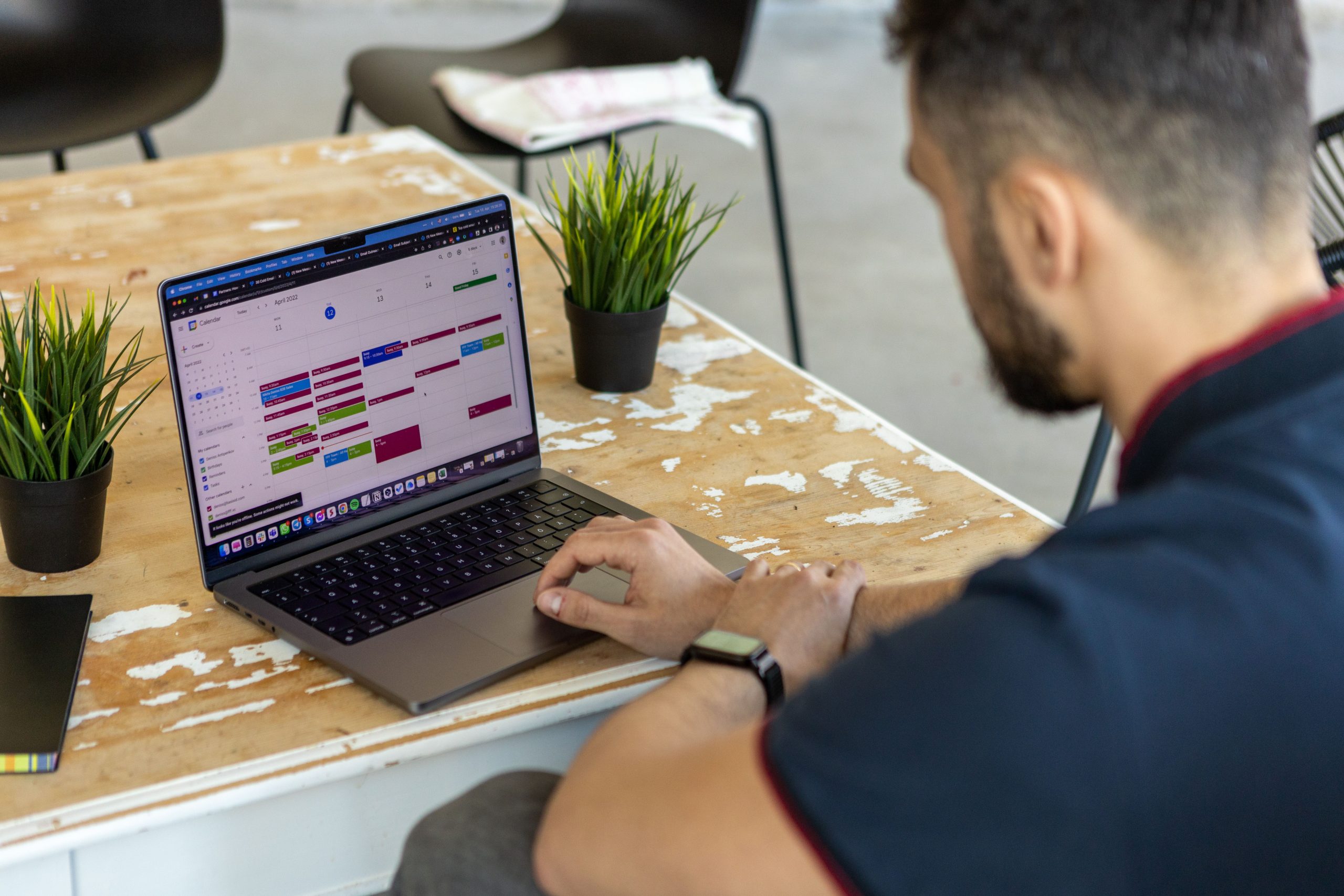
Employee scheduling software is a digital solution designed to automate and optimize the process of creating, managing, and communicating employee work schedules. Traditionally, scheduling was done manually using spreadsheets, paper charts, or basic calendar apps, which often led to errors, conflicts, and inefficiencies. Modern employee scheduling software offers a comprehensive platform that handles shift assignments, availability tracking, time-off requests, and real-time notifications.
This technology enables managers to build schedules quickly, adapt to changing business demands, and ensure compliance with labor laws and company policies. The software also empowers employees by giving them access to their schedules anytime, anywhere, often via mobile applications.
What is Shift Management Software?
Shift management software is a specialized subset of employee scheduling software focused on managing work shifts, especially in industries with 24/7 operations or varying shift patterns. It helps businesses handle:
- Complex shift rotations
- Overtime and break compliance
- Shift swapping and coverage
- Shift bidding and preferences
- Attendance tracking and reporting
Shift management software ensures that shifts are covered effectively while respecting employee availability and preferences. It reduces scheduling conflicts and improves workforce satisfaction by promoting transparency and flexibility.
Key Features of Employee Scheduling Software
When evaluating employee scheduling software, certain features stand out as essential for maximizing business value:
- Automated Scheduling: Quickly generate schedules based on employee availability, skills, and business requirements. Automation minimizes manual input and errors.
- Real-Time Updates: Allow managers and employees to receive instant notifications about schedule changes, shift swaps, and time-off approvals.
- Employee Self-Service: Empower employees to view schedules, request time off, and swap shifts independently through mobile apps or web portals.
- Availability and Time-Off Management: Track employee availability and approved leaves seamlessly to avoid scheduling conflicts.
- Compliance Tracking: Ensure adherence to labor laws concerning maximum work hours, rest periods, and overtime regulations.
- Shift Bidding and Preferences: Enable employees to express shift preferences or bid for preferred shifts, enhancing morale and fairness.
- Reporting and Analytics: Gain insights into labor costs, attendance, and shift coverage to inform strategic decision-making.
- Integration Capabilities: Connect with payroll, human resource management, and time tracking systems for end-to-end workforce management.
Benefits of Using Employee Scheduling Software
Implementing employee scheduling software provides numerous advantages for both employers and employees:
- Improved Efficiency: Automating scheduling saves managers significant time and reduces administrative burdens.
- Enhanced Accuracy: Automated conflict detection and compliance checks prevent costly scheduling errors.
- Better Employee Engagement: Transparent scheduling and self-service options increase employee satisfaction and reduce turnover.
- Cost Savings: Optimized scheduling minimizes overtime and ensures adequate coverage without overstaffing.
- Flexibility: Quick adjustments to schedules in response to unexpected changes improve business agility.
- Data-Driven Insights: Analytics help identify trends such as absenteeism or peak demand periods for better workforce planning.
How Shift Management Software Supports Workforce Optimization
In industries like healthcare, manufacturing, retail, and hospitality, managing shifts effectively is critical. Shift management software supports this by:
- Creating balanced shift rotations that reduce burnout
- Managing complex schedules involving multiple shifts and teams
- Facilitating easy shift swapping and coverage without managerial bottlenecks
- Tracking attendance and punctuality for payroll accuracy
- Providing audit trails for compliance and dispute resolution
These capabilities ensure continuous operations with motivated employees and minimal disruptions.
Use Cases Across Industries
Employee scheduling and shift management software have broad applications:
- Retail: Manage peak shopping hours, part-time and full-time staff shifts, and seasonal workforce fluctuations.
- Healthcare: Coordinate nurses, doctors, and support staff across multiple shifts while complying with strict labor regulations.
- Manufacturing: Schedule operators and maintenance teams in continuous production environments.
- Hospitality: Handle dynamic guest demands by efficiently managing front desk, housekeeping, and kitchen shifts.
- Customer Service: Schedule call center agents to meet service level agreements and fluctuating call volumes.
Understanding these use cases helps businesses choose software tailored to their specific operational needs.
Integrating Employee Scheduling Software with Other Business Tools
For seamless workforce management, employee scheduling software should integrate with complementary systems such as:
- Time Tracking Software: Synchronize clock-in/out data with schedules for accurate attendance and payroll processing. For more on time tracking tools, see Best Time Tracking Software: Boosting Productivity and Efficiency.
- Human Resource Management Systems (HRMS): Share employee data, leave balances, and performance metrics. Learn more at The Best HR Software: Transforming Human Resource Management for Small Businesses.
- Appointment Scheduling Software: Coordinate employee availability with customer appointments. Explore Discovering the Best Appointment Scheduling Software for Your Business.
- Payroll Systems: Automate payroll calculations based on scheduled hours and attendance.
Integrations reduce manual data entry and improve accuracy across business functions.
Mobile Access: Empowering Managers and Employees On The Go
The rise of mobile technology has transformed employee scheduling by enabling remote access and instant communication. Mobile scheduling apps provide:
- Real-time schedule viewing and updates
- Shift change requests and approvals
- Notifications and alerts for upcoming shifts
- Direct messaging between managers and employees
- GPS-based clock-in/out for location verification
Mobile access enhances workforce flexibility and responsiveness, especially for businesses with remote or dispersed teams.
Compliance and Labor Law Considerations
Scheduling software helps businesses stay compliant with labor laws such as the Fair Labor Standards Act (FLSA), union agreements, and local regulations by:
- Tracking employee work hours and breaks
- Enforcing mandatory rest periods between shifts
- Preventing excessive overtime
- Maintaining records for audits and dispute resolution
Compliance features reduce legal risks and promote fair workplace practices.
The Role of Custom CRM Development in Workforce Management
While employee scheduling software focuses on shift planning and workforce optimization, integrating it with a custom CRM solution can bring significant additional benefits. Custom CRM development allows businesses to tailor customer relationship management features according to unique operational workflows.
Benefits of integrating custom CRM development include:
- Centralized management of customer and employee data
- Automated appointment scheduling linked with employee availability
- Personalized communication and follow-up with clients and staff
- Enhanced reporting combining workforce and customer service metrics
- Streamlined workflows connecting scheduling, service delivery, and customer feedback
Custom CRM systems enable businesses to create a holistic platform supporting both workforce management and customer engagement. For companies aiming to enhance operational efficiency and customer satisfaction, exploring custom CRM development is a strategic move. Learn more here: custom CRM development.
Case Study: Transforming Workforce Scheduling with Software
A mid-sized retail chain faced challenges managing hundreds of employees across multiple locations, leading to scheduling conflicts, understaffing during peak hours, and employee dissatisfaction. After implementing an integrated employee scheduling and shift management software solution, they achieved:
- 50% reduction in scheduling errors and conflicts
- Improved employee satisfaction through transparent scheduling and shift swapping
- Better compliance with labor laws and union rules
- Optimized labor costs by reducing unnecessary overtime
- Enhanced reporting enabling data-driven staffing decisions
This case illustrates how technology can revolutionize workforce management and business outcomes.
Emerging Trends in Employee Scheduling and Shift Management Software
The future of employee scheduling software is shaped by exciting technological advancements:
- Artificial Intelligence: AI-powered scheduling predicts demand, automates shift assignments, and identifies staffing gaps.
- Machine Learning: Continuous learning from historical data improves scheduling accuracy and workforce planning.
- Cloud Computing: Cloud-based platforms offer scalability, remote access, and real-time collaboration.
- IoT and Wearables: Devices monitor employee location and health metrics, supporting safety and compliance.
- Voice Commands: Hands-free scheduling and notifications through voice-activated assistants improve efficiency.
- Advanced Analytics: Predictive analytics provide insights into workforce performance and customer demand trends.
Adopting these innovations will keep businesses ahead in managing their workforce dynamically and efficiently.
Conclusion
Employee scheduling software and shift management software are essential tools for modern workforce management. They simplify complex scheduling processes, ensure compliance, improve employee engagement, and reduce operational costs. By integrating these solutions with custom CRM development, businesses can create a unified platform that enhances both workforce and customer relationship management.
To explore how custom CRM development can help transform your scheduling and workforce operations, visit: custom CRM development.
For further reading on related software solutions, check out:
- Discovering the Best Appointment Scheduling Software for Your Business
- Best Time Tracking Software: Boosting Productivity and Efficiency
- The Best HR Software: Transforming Human Resource Management for Small Businesses
- The Best Field Service Management Software: Enhancing Efficiency for Businesses on the Go