CRM Invoicing: Streamlining Your Billing Process for Business Efficiency
In the competitive business environment, managing customer relationships and financial transactions efficiently is crucial for sustained growth. CRM invoicing integrates billing processes directly within your Customer Relationship Management system, allowing businesses to streamline operations, reduce errors, and enhance customer satisfaction. Combining CRM and invoicing functions creates a seamless workflow from sales to payment, optimizing both customer service and financial management.
This blog explores the significance of CRM invoicing, highlights features to look for, reviews the best CRM with invoicing capabilities, and explains how custom CRM development can tailor invoicing solutions to your unique business needs.
What is CRM Invoicing?
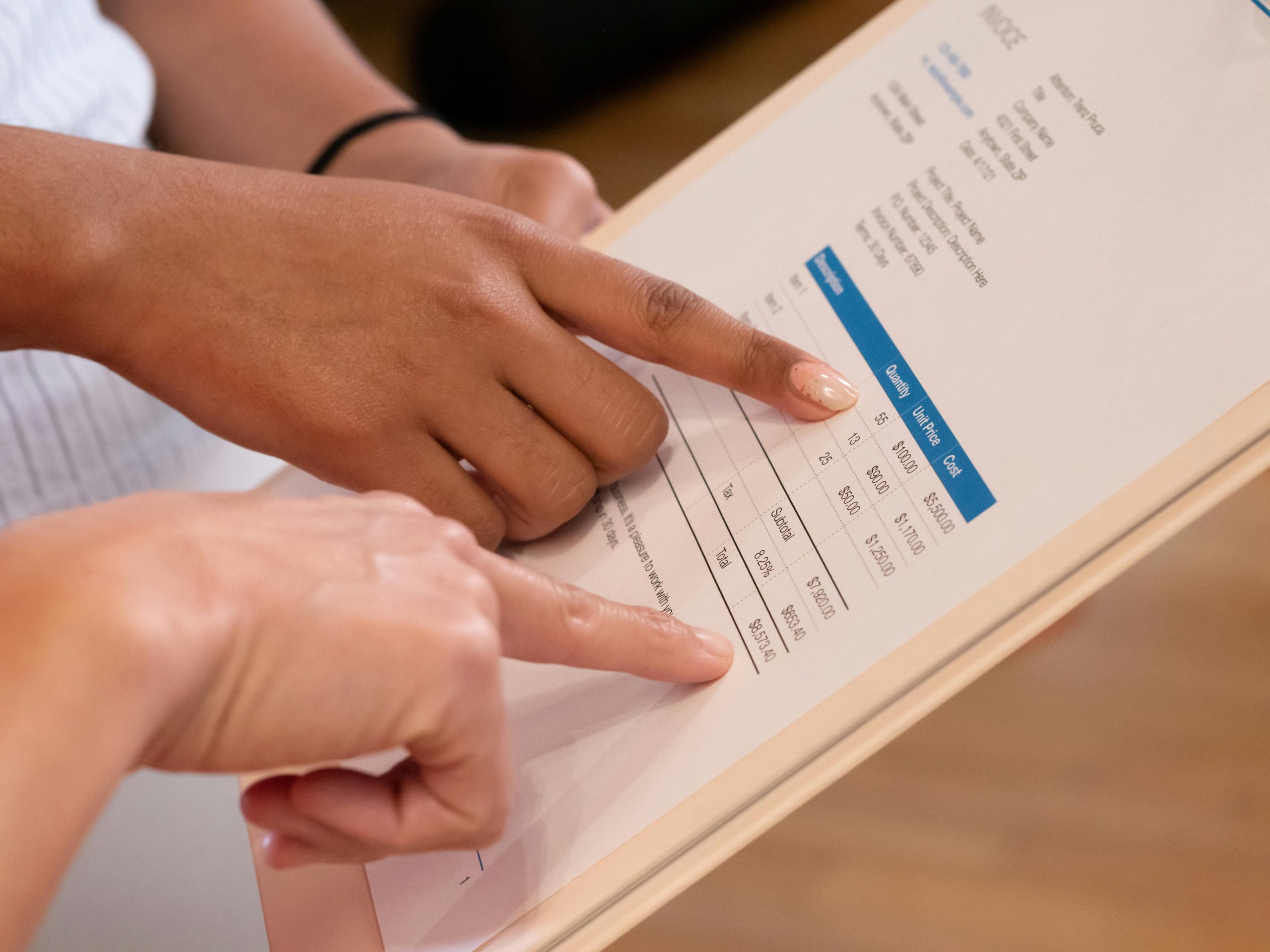
CRM invoicing refers to the ability within a CRM system to generate, manage, and track invoices directly tied to customer data and sales activities. Instead of using separate accounting or billing software, businesses can automate invoicing processes, link invoices to customer profiles, and monitor payment statuses within the same platform they use to manage leads, contacts, and sales pipelines.
This integration helps eliminate data duplication, reduce manual entry errors, and improve visibility over the entire customer lifecycle from prospecting to payment.
Why Integrate Invoicing into Your CRM?
Integrating invoicing into your CRM system offers multiple strategic advantages:
- Enhanced Efficiency: Automate invoice creation based on sales data, reducing administrative workload.
- Improved Accuracy: Eliminate errors caused by manual data transfer between systems.
- Faster Payments: Send invoices promptly and provide customers with convenient payment options.
- Better Customer Service: Access billing history alongside customer interactions to resolve queries quickly.
- Comprehensive Reporting: Combine sales and financial data for deeper business insights.
- Streamlined Workflows: Align sales, finance, and customer service teams through a unified platform.
These benefits contribute to improved cash flow, customer satisfaction, and operational agility.
Key Features to Look for in the Best CRM with Invoicing
When selecting the best CRM with invoicing capabilities, consider the following critical features:
1. Automated Invoice Generation
Automatically create invoices linked to closed deals or completed services to accelerate billing.
2. Customizable Invoice Templates
Design invoices that reflect your brand identity with customizable layouts, logos, and payment terms.
3. Payment Integration
Support multiple payment gateways and methods, enabling customers to pay easily and securely online.
4. Tax and Discount Management
Handle complex tax rules, discounts, and promotional pricing accurately within invoices.
5. Recurring Invoices and Subscriptions
Manage subscription billing or regular service charges with automated recurring invoicing.
6. Invoice Tracking and Notifications
Monitor invoice status in real time and send automated reminders for overdue payments.
7. Multi-Currency and Multi-Language Support
Facilitate international billing with support for different currencies and languages.
8. Integration with Accounting Systems
Sync invoicing data with accounting software for seamless financial management and reporting.
9. Reporting and Analytics
Generate detailed reports on invoicing performance, payment cycles, and outstanding balances.
10. Mobile Accessibility
Allow invoicing and payment management on the go through mobile-friendly CRM apps.
How CRM Invoicing Improves Business Operations
Integrating invoicing within your CRM system transforms how your business manages sales and finance:
Sales Team Benefits
- Close deals faster by generating and sending invoices within the sales workflow.
- Monitor payment statuses to prioritize follow-ups and upsell opportunities.
- Access complete customer histories, including billing and payment data.
Finance Department Benefits
- Reduce manual data entry and errors with automated invoice creation.
- Streamline accounts receivable processes with real-time tracking.
- Facilitate compliance with tax regulations and audit trails.
Customer Service Benefits
- Quickly resolve billing inquiries with full access to customer and invoice data.
- Provide transparent payment histories and status updates.
Business Leadership Benefits
- Gain holistic visibility into revenue streams and cash flow.
- Make data-driven decisions with unified sales and financial reports.
- Improve forecasting accuracy by linking sales pipelines to invoicing data.
Popular CRM Solutions with Invoicing Features
Several CRM platforms offer robust invoicing capabilities as part of their ecosystem:
- Zoho CRM: Includes integrated invoicing with Zoho Invoice, supporting automation and payment gateways.
- HubSpot CRM: Offers billing and payment tracking through integrations with invoicing tools.
- Salesforce: Supports invoicing via third-party apps on its AppExchange or custom development.
- Freshsales: Combines CRM and invoicing for SMBs with automation and payment integration.
- Insightly: Provides project and invoice management within its CRM environment.
While these solutions cover a broad spectrum of needs, businesses with specific workflows or industry requirements often benefit from custom CRM development.
The Power of Custom CRM Development for Invoicing
Off-the-shelf CRM invoicing features may not always align perfectly with your business processes. Custom CRM development allows you to build or enhance CRM systems with invoicing functionalities tailored to your unique needs.
Advantages of Custom CRM Invoicing Solutions
- Workflow Alignment: Design invoicing processes that match your sales cycles and billing rules precisely.
- Custom Integrations: Connect with your existing accounting, ERP, payment, and banking systems seamlessly.
- Unique Compliance Needs: Incorporate industry-specific tax or regulatory requirements into invoicing.
- Enhanced User Interfaces: Create intuitive dashboards and invoice management tools for your teams.
- Scalable Architecture: Adapt invoicing capabilities as your business grows or diversifies.
- Automation and AI: Integrate advanced features like predictive analytics for payment behaviors and automated dispute resolution.
Custom development ensures your CRM invoicing system becomes a strategic asset driving efficiency and customer satisfaction. Explore how tailored solutions can help your business by visiting Anomoz Custom CRM Development.
Implementing CRM Invoicing: Best Practices
To maximize the benefits of CRM invoicing, consider these best practices:
1. Analyze Your Billing Needs
Understand your invoicing volume, billing cycles, payment terms, and compliance requirements before choosing or customizing a CRM solution.
2. Automate Where Possible
Reduce manual effort and errors by automating invoice generation based on sales milestones or project completions.
3. Customize Templates
Ensure invoices are professional and consistent with your brand, including clear payment instructions.
4. Enable Multiple Payment Options
Offer customers flexibility with credit cards, bank transfers, digital wallets, and other popular payment methods.
5. Monitor Invoice Status Closely
Use CRM dashboards to track pending, paid, and overdue invoices and trigger automated reminders.
6. Provide Customer Self-Service
Allow customers to view invoices, payment history, and make payments through portals or emails.
7. Ensure Data Security and Compliance
Protect financial data with encryption, access controls, and adhere to tax and accounting standards.
8. Train Your Teams
Provide comprehensive training for sales, finance, and service teams to fully utilize CRM invoicing features.
Future Trends in CRM Invoicing
The CRM invoicing landscape is evolving with technology advancements:
- AI and Machine Learning: Predict payment delays and suggest collection strategies.
- Blockchain: Enhance invoice transparency and reduce fraud with immutable records.
- Mobile-First Invoicing: Enable invoice creation and payment tracking on smartphones and tablets.
- Integrated Subscription Billing: Manage complex subscription models with usage-based invoicing.
- Real-Time Payment Reconciliation: Sync payments instantly with CRM and accounting systems.
Adopting these innovations will keep your invoicing process efficient and competitive.
Conclusion: Elevate Your Business with CRM Invoicing
Incorporating CRM invoicing into your customer management system streamlines billing, enhances accuracy, and improves cash flow. The best CRM with invoicing capabilities enables seamless coordination between sales, finance, and customer service, driving operational excellence and customer satisfaction.
For businesses with unique requirements, custom CRM development offers tailored invoicing solutions that perfectly fit your workflows and growth plans. To explore how custom CRM invoicing can transform your business, visit Anomoz Custom CRM Development and start optimizing your billing processes today.