
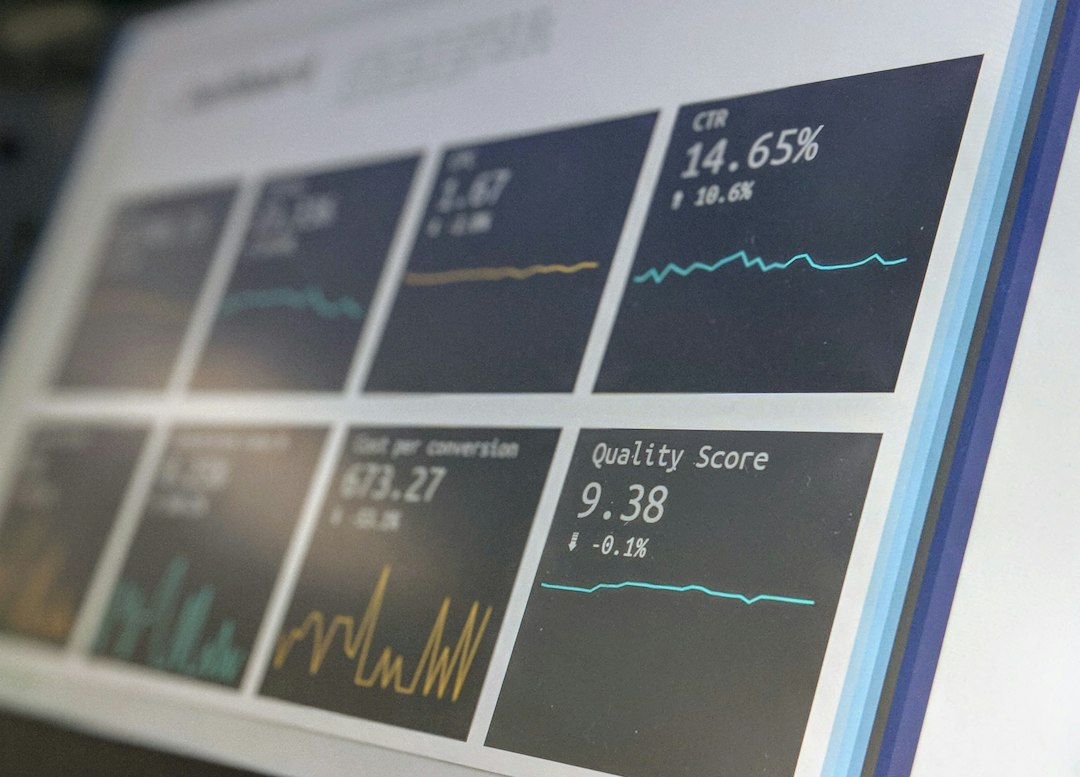
WIP report: 7 Checks for Costs, Progress, and Billing
A wip report shows the position of work that remains in progress at a reporting date. In construction and project businesses, it commonly connects contract value, costs incurred, estimated final cost, measured progress, revenue, and billing. The report helps finance and project teams explain where the job stands and what may change.
The exact format depends on the business and its accounting basis. This article focuses on a construction-style work-in-progress review, explains seven checks, and gives a simplified worked example. Use the applicable accounting policies and qualified review for actual revenue recognition and financial reporting.
What does a construction WIP report show?
A useful report combines the approved commercial position with current cost and completion estimates. It may show original contract value, approved changes, revised contract value, cost to date, estimate to complete, estimated total cost, progress, recognized revenue, and billings.
These figures are related but not interchangeable. Cash received differs from amounts billed. Billings differ from revenue recognized. Costs incurred differ from purchase commitments and the estimate of remaining work.
Sage’s description of work in progress illustrates one construction accounting context. Its guidance on cost to complete provides a related operational view. Confirm how your software and accounting basis define each field.
7 checks before relying on a WIP report
1. Align the reporting date
Use contract, cost, billing, and forecast information that belongs to the same cutoff. A current project estimate combined with last month’s costs and today’s billings can produce a report that looks precise without representing a coherent position.
Identify late invoices, unposted time, unrecorded materials, and other cutoff items. Follow the finance team’s policy for accruals and adjustments. The project manager should know which costs remain provisional.
State whether the report is a draft management view or a reviewed reporting pack. Preserve the source version so that later changes do not erase what the team knew at the review date.
2. Verify contract value and approved changes
Separate the original agreement from approved changes and pending requests. An expected commercial recovery is not the same as an accepted contract adjustment. Keep the evidence and approval status linked to the relevant job.
Review deductions, allowances, scope transfers, and other material changes under the applicable contract and accounting policy. A single total labeled “contract value” can hide uncertainty that the project team still needs to resolve.
Also inspect duplicate change entries. A revision imported from one system and entered manually in another can overstate the commercial position. Stable change identifiers help reviewers trace the total.
3. Reconcile costs incurred
Start with the relevant job-cost records and reconcile them with the financial system. Check labor, materials, subcontractors, plant, and other cost categories included under the business’s policy. Explain material differences between operational and accounting views.
Do not treat cash paid as the complete cost incurred. Work may have happened before an invoice arrives or before payment. Conversely, a payment can relate to a deposit or another item whose treatment needs review.
Inspect coding errors and shared allocations. A cost assigned to the wrong job can distort two reports at once. Corrections should preserve a clear audit trail and appear in the relevant review.
4. Build a realistic estimate to complete
Ask the project team what work remains and what resources it will require. Review quantities, rates, outstanding packages, rework, access, testing, handover, and known risks. Remaining cost is not automatically original budget minus spending.
Separate remaining committed cost from uncommitted work and avoid overlap. If a subcontract invoice has already entered actual cost, the forecast should not add the full subcontract commitment again.
Record the estimate owner, date, assumptions, and material changes. A forecast that stays unchanged despite clear scope or productivity issues may give false confidence. Use the estimate as a live operating judgment supported by evidence.
5. Apply a suitable progress method
A cost-to-cost method compares eligible cost incurred with estimated total eligible cost where that method is appropriate. Other contracts or reporting circumstances may need different treatment. The accounting policy and facts determine the method.
Do not assume that spending proves physical progress. Stored materials, unusual inefficiency, or other items can require careful consideration. A large purchase may increase cost without creating the same proportion of completed work.
Keep operational progress evidence available. Installed quantities, accepted milestones, and field reports can help reviewers challenge an implausible result. The accounting calculation and the site reality should not remain in separate conversations.
6. Separate revenue, billing, and cash
Revenue recognized under the applicable policy may differ from amounts billed. Billing schedules can run ahead or behind progress. Cash receipts then depend on payment terms, certification, retention, disputes, and collection.
A WIP report should preserve those distinctions. If billings exceed the relevant revenue measure, that may indicate an overbilling position under the report’s terminology. If they fall short, it may indicate underbilling. Confirm the actual accounting presentation with finance.
Do not call either position automatically good or bad. A billing milestone, delayed certification, or incomplete claim can explain the difference. Investigate the reason and the cash consequence before choosing an action.
7. Review forecast movement and actions
Compare the current estimate with the prior reviewed estimate. Explain material changes in contract value, final cost, margin, and billing position. The team should know whether a movement comes from scope, rates, quantities, productivity, or corrected data.
Assign actions for unresolved items. A pending change needs a commercial owner, a missing invoice needs follow-up, and an unrealistic remaining-cost estimate needs project review. A report full of red figures without named responses provides limited control.
Preserve history rather than overwriting it. Forecast snapshots let management inspect whether the project recognized problems early or repeatedly deferred them. That learning can improve estimating and delivery on later work.
A simplified worked example
Consider a hypothetical project with an approved contract value of 500,000 in the reporting currency. Suppose eligible cost incurred is 150,000 and estimated total eligible cost is 300,000. Under a simplified cost-to-cost illustration, progress is 50%.
If the applicable approach recognizes revenue in that proportion, the illustrative revenue figure is 250,000. Suppose billings to date equal 220,000. The difference is 30,000 with billings below that revenue measure.
Now assume the team revises estimated total cost to 375,000 while incurred cost remains 150,000. The simplified progress calculation becomes 40%. Under the same illustration, proportional revenue becomes 200,000, showing how a forecast change can materially affect the report.
This example is deliberately simplified. It does not establish the correct treatment for every contract, cost category, change, loss, or reporting framework. Use the actual accounting policy and qualified review when preparing financial statements.
What a review table should make visible
| Field | Question it answers | Useful check |
|---|---|---|
| Approved contract value | What commercial amount is established? | Link approved changes |
| Cost to date | What relevant cost has occurred? | Reconcile cutoff and coding |
| Estimate to complete | What cost remains? | Review remaining scope |
| Progress | How does the chosen method measure completion? | Challenge with operating evidence |
| Billings | What has the business invoiced? | Separate cash and revenue |
Keep the report concise enough for discussion, with links or drill-downs for evidence. A large table becomes less useful when reviewers cannot identify the assumption that changed.
Run a joint project and finance review
Finance can check ledger completeness and accounting treatment, while project staff can explain remaining work and delivery conditions. Neither perspective is enough alone. A reconciled ledger can still contain an unrealistic completion forecast.
Prepare the main exceptions before the meeting. Focus on large estimate changes, unapproved commercial items, unusual margins, and billing gaps. Ask for the evidence and next decision rather than merely a reassurance that the job is fine.
Anomoz’s article on construction project controls software explains how budgets, commitments, actuals, and forecasts connect. Those relationships support a more useful WIP review.
Build reliable data and report controls
Use stable project and cost-code identifiers across estimating, purchasing, time, accounting, and billing. Define the source of truth for each field. A spreadsheet can support the review, but manual copies need reconciliation and version rules.
Keep formulas protected where appropriate and distinguish input cells from calculated results. Test known examples after changing a template or integration. A small formula error repeated across many projects can create a material misreading.
Anomoz’s guide to data literacy for reporting decisions provides context for clear definitions and supporting evidence. The reader should know the date, method, and limitations behind the totals.
Common mistakes in WIP reporting
- Using remaining budget as if it were a fresh estimate to complete.
- Mixing costs and billings from different cutoffs.
- Counting pending changes as approved contract value without review.
- Confusing cash received with recognized revenue.
- Assuming every cost increase represents equivalent physical progress.
- Overwriting forecasts and losing the explanation of movement.
Also inspect unusually high or low margins. They may reflect genuine performance, but they can also reveal missing costs, coding errors, or an incomplete forecast. Treat the exception as a question that needs evidence.
Review estimate changes before the closing deadline
A WIP review becomes harder when every project waits until the final day to update remaining cost. Establish a preparation calendar that gives project staff time to review scope and gives finance time to reconcile the records. The schedule should include a route for material late information.
Ask project owners to explain the largest estimate movements before the main review. A brief note can identify the package, reason, evidence, and unresolved decision. This reduces meeting time spent discovering basic facts and leaves more room for judgment.
Also review jobs with little apparent movement. An unchanged forecast on a project facing delays, redesign, or rework may deserve as much attention as a large reported variance. Stability in the spreadsheet does not establish stability on site.
Keep a clear distinction between a management estimate and a posted accounting adjustment. The project team can provide the operating evidence, while finance applies the appropriate reporting treatment. Record the review and approval so that later users understand the final position.
Finally, use completed jobs to learn about forecast quality. Compare earlier estimates with final results and inspect recurring omissions, such as testing, demobilization, or closeout effort. That feedback can improve future estimating and WIP reviews without turning every variance into an individual blame exercise.
A useful closing process therefore does more than produce one month’s report. It creates a repeatable exchange between delivery and finance, preserves uncertainty honestly, and makes the next action visible while the business still has time to respond.
Frequently Asked Questions
Is a WIP report the same as a cash-flow report?
No. WIP reporting connects progress, cost, revenue, and billing under a stated method. Cash-flow reporting focuses on receipts and payments over time. Use both where the business needs both views.
How often should contractors update it?
Use a rhythm that fits reporting requirements and project risk, often alongside the regular financial close. Update important forecasts sooner when scope, cost, or delivery conditions change materially.
Can a small contractor use a spreadsheet?
Yes, if the method, inputs, reconciliation, permissions, and review are sound. Software choice does not replace the need for an accurate estimate and appropriate accounting treatment.
Make the report explain the job
A useful WIP report connects reliable costs with an honest view of remaining work and a clear billing position. Align the date, challenge the forecast, and preserve the evidence. Then turn exceptions into actions owned jointly by project and finance teams.



