
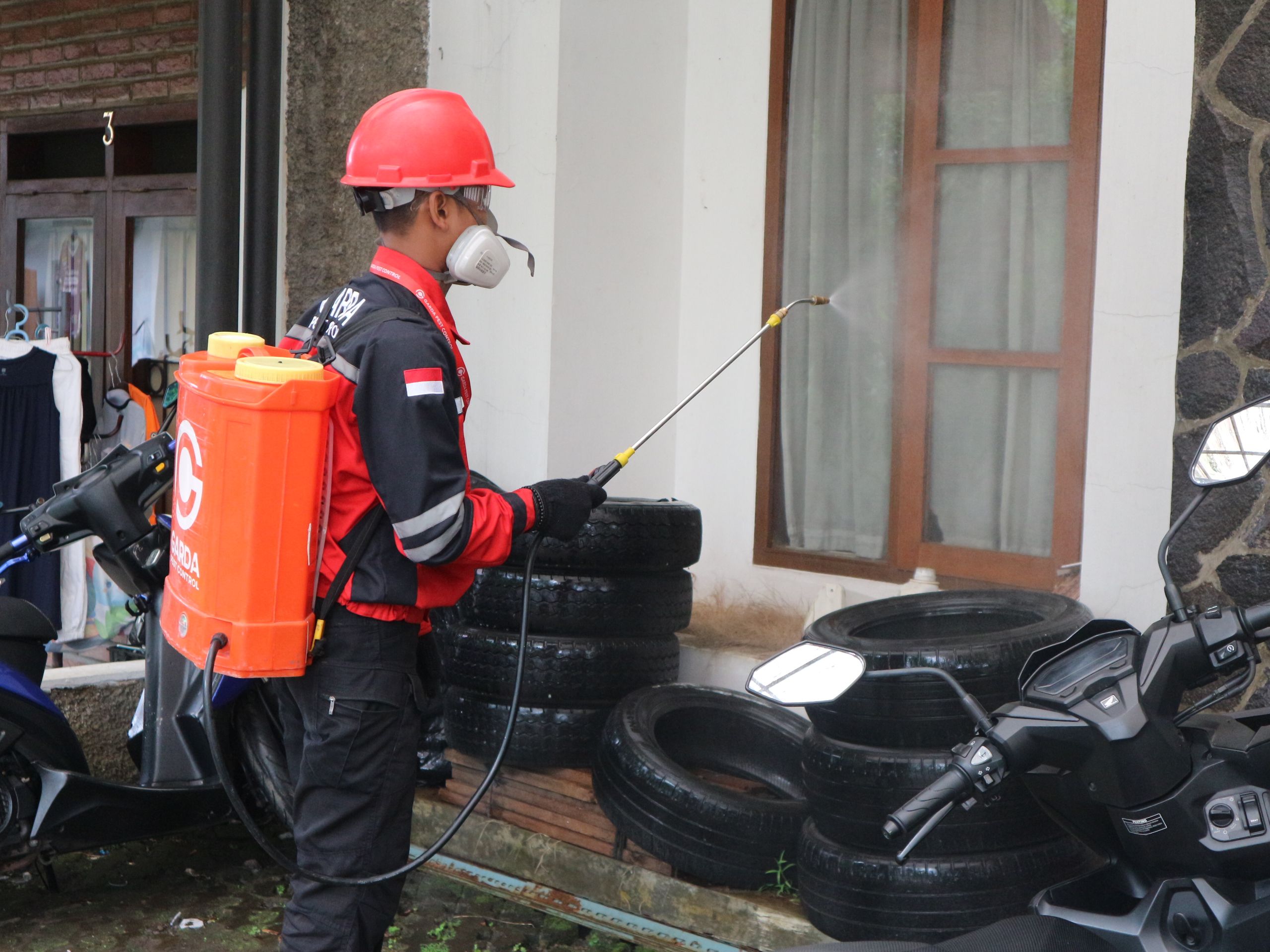
Best Pest Control Software for Efficient Business Management
In the pest control industry, managing schedules, customer information, invoicing, and compliance all at once can be a daunting task. Fortunately, the advent of technology has introduced specialized tools designed to streamline these operations. The best pest control software allows businesses to improve efficiency, enhance customer service, and grow profits by automating routine tasks and managing operations with ease. This article explores the top pest control softwares available today, key features to look for, and how integrating custom CRM development can take your business to the next level.
Why Pest Control Businesses Need Specialized Software
Running a pest control business involves more than just treating infestations. It requires careful scheduling, regulatory compliance, inventory management, customer communication, billing, and reporting. Traditional manual methods or generic software tools often fall short when it comes to handling these specific needs. That’s where pest control softwares comes in.
With the right software, businesses can:
- Manage appointments and routes efficiently
- Track customer history and treatments
- Automate invoicing and payments
- Ensure compliance with local and environmental regulations
- Generate detailed reports for business insights
- Enhance communication with customers and technicians
Choosing the best pest control softwares ensures these processes are handled smoothly, saving time and reducing errors.
Essential Features of the Best Pest Control Software
Not all pest control software solutions are created equal. When evaluating options, here are the critical features to consider:
1. Scheduling and Route Optimization
Efficient scheduling tools allow operators to assign jobs based on technician availability and geographic location, optimizing routes to reduce travel time and fuel costs.
2. Customer Management
A robust customer database tracks service history, preferences, contact details, and notes, enabling personalized service and better retention.
3. Billing and Invoicing
Automated billing features help generate and send invoices quickly, accept various payment methods, and manage accounts receivable seamlessly.
4. Compliance and Documentation
The software should support compliance with industry regulations by storing treatment records, chemical usage logs, and safety protocols.
5. Mobile Accessibility
Mobile apps enable technicians to access work orders, update job status, capture signatures, and communicate in real time while on the go.
6. Reporting and Analytics
Detailed reports on sales, technician performance, and customer trends provide actionable insights for strategic decision-making.
7. Integration Capabilities
Integration with other business tools, especially customer relationship management (CRM) systems, enhances workflow automation and data consistency. This is where custom CRM development can be particularly valuable, offering tailored integration that fits your unique business processes.
You can also have a look at Legal firm software feature
Top Pest Control Software Solutions
Here is a review of some of the top pest control software platforms that have gained popularity for their features and reliability:
PestRoutes
PestRoutes offers an intuitive interface with powerful scheduling and routing capabilities. It includes mobile apps for technicians and supports automated billing and customer communication. PestRoutes is ideal for small to midsize pest control companies looking for an all-in-one solution.
ServiceM8
ServiceM8 is a cloud-based software well-suited for field service businesses, including pest control. It helps with job dispatching, quoting, invoicing, and real-time job updates via mobile devices.
Jobber
Jobber combines scheduling, invoicing, and customer management in one platform with a strong emphasis on usability. Its mobile app ensures that technicians can manage work orders efficiently on the field.
PestPac
PestPac is a comprehensive pest control management software designed for larger companies. It offers extensive features including route optimization, customer management, billing, and regulatory compliance. PestPac also integrates well with CRM solutions to enhance customer engagement.
Fieldwork
Fieldwork provides an easy-to-use platform for scheduling, dispatching, and invoicing. It also includes features for customer management and supports mobile access for field technicians.
You can also have a look at Best Plumbing Software
Why Custom CRM Development is Critical for Pest Control Businesses
While many pest control software solutions offer CRM functionalities, businesses with unique processes or specific customer engagement strategies can benefit from custom CRM development. Custom CRM systems are designed to fit your exact requirements, providing enhanced flexibility and control.
Benefits of Custom CRM Development
- Tailored workflows to match your operational processes
- Customized data fields relevant to pest control specifics
- Integration with existing software systems, including your pest control software
- Enhanced reporting and analytics tailored to your business goals
- Improved customer communication and retention strategies
By integrating custom CRM solutions with your pest control software, you create a seamless system that empowers your team to work smarter, not harder.
Best Practices for Using Pest Control Software Effectively
To get the most out of your pest control software, consider these best practices:
Train Your Team Thoroughly
Ensure all users, from office staff to field technicians, are comfortable with the software features to maximize adoption and efficiency.
Keep Customer Data Updated
Regularly update customer records to maintain accurate service history and enable personalized communication.
Utilize Mobile Features
Leverage mobile apps to provide real-time updates, reduce paperwork, and improve technician productivity.
Automate Routine Tasks
Set up automated billing, reminders, and reporting to reduce manual workload and errors.
Analyze Data for Continuous Improvement
Use software analytics to identify trends, optimize routes, and improve customer service.
Future Trends in Pest Control Software
The pest control industry is evolving with technology, and software tools are keeping pace. Upcoming trends include:
- Artificial Intelligence: AI-driven scheduling and predictive analytics for anticipating customer needs.
- IoT Integration: Use of smart devices to monitor pest activity remotely.
- Cloud-Based Solutions: Increased adoption of cloud software for accessibility and scalability.
- Enhanced Mobile Capabilities: More robust apps with offline functionality.
- Sustainability Tracking: Tools to monitor and report environmental impact and chemical usage.
You can also have a look at Best invoice software
Conclusion
Selecting the best pest control software is a vital step for pest control businesses aiming to improve operational efficiency, customer satisfaction, and profitability. Evaluate your specific business needs, consider the features outlined above, and explore the top pest control software options available in the market. For those seeking an even more tailored approach, integrating custom CRM development can provide a personalized, flexible solution that perfectly fits your unique workflows.
To discover how custom CRM solutions can revolutionize your pest control operations and customer management, visit Anomoz Custom CRM Development Services.
By combining the right software tools with bespoke CRM development, your pest control business can achieve greater efficiency, better customer relationships, and sustained growth in a competitive market.