
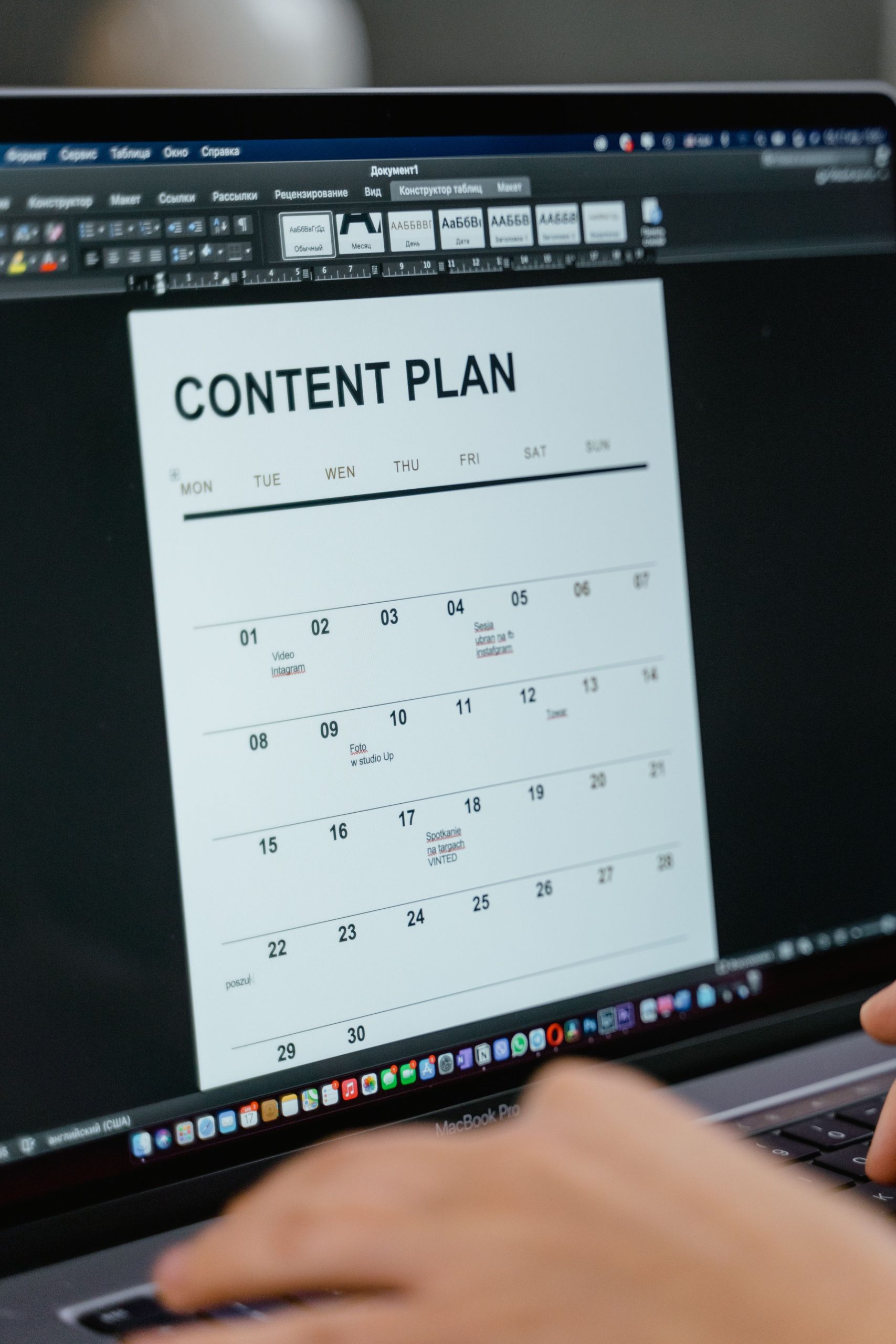
The Ultimate Guide to the Best Event Planning Software
Organizing events, whether small gatherings or large conferences, can be a complex and demanding task. To streamline the process and ensure everything runs smoothly, event planners rely heavily on event planning software. In this blog, we will explore the best event planning software available today, highlight the features of the best event management software, and also discuss some of the noteworthy free event planning software options. Additionally, we will touch on how custom CRM development can elevate your event planning and management capabilities.
Why You Need Event Planning Software
Event planning involves multiple moving parts such as budgeting, scheduling, attendee management, vendor coordination, and marketing. Managing all these tasks manually can lead to errors and inefficiencies. The best event planning software offers a centralized platform to handle these activities effectively, saving time and reducing stress.
Benefits include:
- Centralized organization: Manage all event details in one dashboard.
- Improved communication: Coordinate with teams, vendors, and attendees easily.
- Automation: Automate repetitive tasks like sending reminders and generating reports.
- Data insights: Track attendance, budgets, and feedback for better decision-making.
- Scalability: Suitable for small meetings to large-scale international events.
You can also have a look at Best low-code software
What Makes the Best Event Planning Software?
When searching for the best event management software, consider the following essential features:
1. User-Friendly Interface
A simple, intuitive interface ensures that planners and their teams can navigate the software without extensive training.
2. Comprehensive Event Lifecycle Management
Top software covers every stage, from initial planning and budgeting to post-event analytics.
3. Customizable Templates and Tools
Templates for invitations, agendas, and surveys can save hours of work.
4. Attendee Management
Tools to manage registrations, ticketing, check-ins, and attendee communication are crucial.
5. Vendor and Resource Coordination
Track vendor contracts, payments, and logistics smoothly.
6. Integration Capabilities
The ability to integrate with other tools like calendars, payment gateways, and CRM systems enhances efficiency.
7. Reporting and Analytics
Detailed reports help in evaluating event success and planning future improvements.
You can also have a look at Best survey software
Top Picks for the Best Event Planning Software
Here are some of the leading solutions that stand out due to their features, usability, and customer satisfaction.
1. Cvent
Cvent is a powerhouse in event management, offering robust features for event marketing, attendee engagement, and venue selection. Its platform supports both in-person and virtual events, making it versatile for all event types.
2. Eventbrite
Eventbrite excels in ticketing and registration management. It’s particularly popular for public events and small to medium-sized gatherings. The platform also offers marketing tools to help promote events.
3. Bizzabo
Bizzabo focuses on creating engaging event experiences with tools for networking, personalized agendas, and event analytics. Its hybrid event capabilities make it ideal for the current event landscape.
4. Whova
Whova offers a comprehensive event management system with a focus on attendee engagement through its mobile app. It also supports agenda management, attendee networking, and exhibitor management.
Exploring Free Event Planning Software Options
For those who are starting out or managing smaller events, free tools can offer essential functionalities without a hefty price tag.
1. Trello
While not exclusively for event planning, Trello’s flexible boards and cards system is excellent for organizing tasks and timelines collaboratively.
2. Eventbrite Free Plan
Eventbrite offers a free tier for free events, providing ticketing and registration features without cost.
3. Google Workspace Tools
Using Google Sheets, Docs, and Calendar can be an effective low-cost solution for basic event planning needs.
4. Asana Free Plan
Asana’s free version allows teams to track event tasks and deadlines efficiently.
You can also have a look at Best Collaboration Software
How Custom CRM Development Enhances Event Planning
A custom CRM development solution tailored for event planning can further optimize your workflow. Unlike one-size-fits-all software, a custom CRM is designed to meet your specific needs, integrating event management with customer relationship management.
Advantages include:
- Personalized attendee data management: Track interactions, preferences, and history.
- Automated communication: Send targeted emails and notifications.
- Seamless integration: Connect with your existing tools like marketing platforms or financial software.
- Scalability: Adapt features as your event portfolio grows.
- Data security: Enhanced data protection tailored to your requirements.
For tailored CRM solutions, explore custom CRM development services that can empower your event planning processes.
How to Choose the Best Event Planning Software for Your Needs
Selecting software that aligns with your event goals and budget is critical. Here’s a step-by-step approach:
1. Define Your Event Requirements
Understand the size, type, and complexity of your events. Identify must-have features versus nice-to-have.
2. Consider Your Budget
Factor in costs including licensing, user seats, and potential add-ons.
3. Test Software Demos and Trials
Most providers offer demos or trial periods—use these to evaluate usability and feature sets.
4. Check Integration Options
Ensure the software can connect with your existing tools and platforms.
5. Read Reviews and Case Studies
Learn from other users’ experiences to gauge reliability and customer support.
Trends in Event Planning Software for 2024
The landscape of event planning software is evolving quickly with new technologies shaping the way events are managed:
1. Virtual and Hybrid Event Support
Post-pandemic, software that supports virtual and hybrid formats is essential.
2. AI and Automation
AI-powered features like chatbots, personalized recommendations, and automated workflows enhance efficiency.
3. Enhanced Mobile Experience
Mobile apps for attendees and planners improve engagement and real-time communication.
4. Data-Driven Insights
Advanced analytics help planners make data-backed decisions to improve event outcomes.
Conclusion
The best event planning software can transform how you organize and execute events, making the process more efficient, collaborative, and insightful. Whether you are looking for comprehensive event management software or exploring free event planning software options, there is a solution to fit your needs. For organizations seeking a tailored approach, investing in custom CRM development can provide unmatched flexibility and control over event workflows.
Explore your options, try demos, and consider how integrating specialized tools can elevate your events to the next level.
For more information on tailored software solutions, consider checking out custom CRM development services designed to meet your unique event planning challenges.