
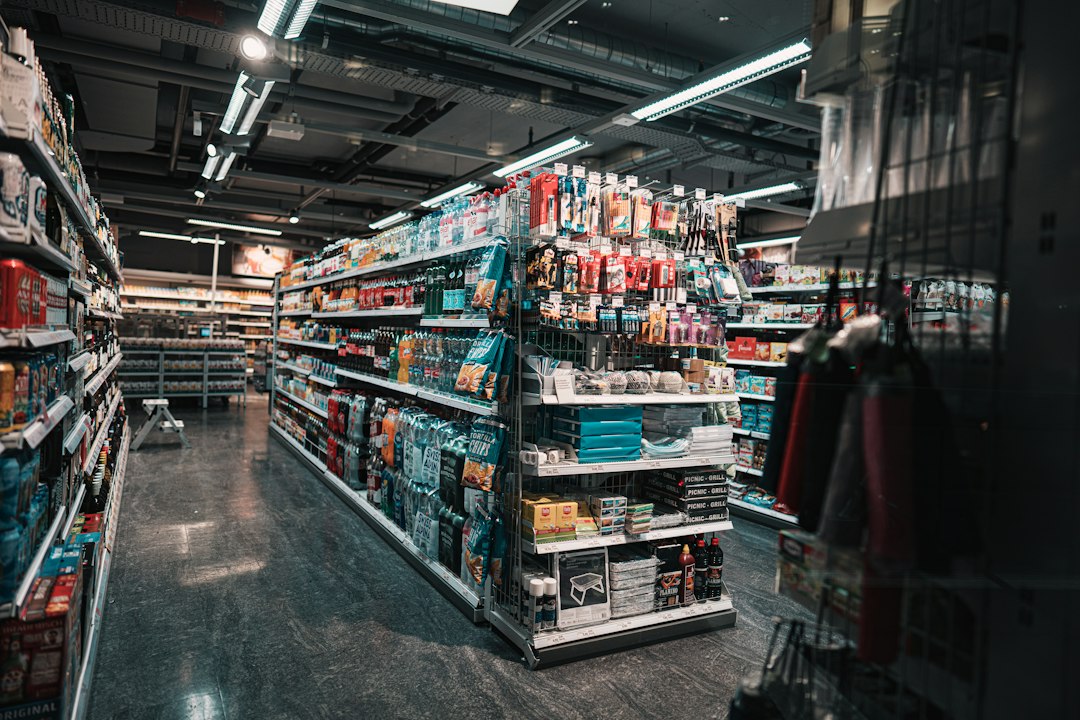
Retail Loss Prevention: 7 Controls That Reduce Shrink Without Hurting Service
Retail loss prevention helps managers translate business assumptions into a view of future performance and cash needs. It is not a promise about what will happen. Instead, it is a structured estimate that supports decisions about spending, hiring, inventory, pricing and funding.
This guide explains seven practical steps for building and maintaining a forecast. It also shows how to test assumptions, connect financial figures to operating drivers and use the results to make timely decisions. The examples use illustrative figures only and should be adapted to the organization’s accounting policies and circumstances.
What a useful retail loss prevention should show
A useful forecast links the operating plan to financial outcomes. Revenue should connect to customers, units, prices or contracts. Costs should connect to the resources required to deliver the plan. Cash should reflect when customers pay and when the company must pay employees, suppliers, lenders and tax authorities.
The forecast should make uncertainty visible. A single number can hide the fact that sales may arrive later, suppliers may change prices or a major customer may not renew. Scenario ranges and documented assumptions help leaders understand where the plan is sensitive.
7 steps to build a reliable forecast
Measure the full picture of retail loss
Retail loss prevention is broader than catching shoplifting. A useful program looks at inventory discrepancies, internal process errors, supplier shortages, return fraud, payment disputes, online scams and safety incidents. If a retailer measures only one category, it may miss where profit and customer trust are actually being lost.
Start with a consistent definition of shrink and total loss. Shrink commonly compares book inventory with physical inventory, but it does not identify the cause by itself. A variance can reflect theft, receiving mistakes, damaged goods, incorrect unit conversions or a delayed transaction. Treat the metric as a signal to investigate, not proof of misconduct.
The National Retail Federation’s 2026 research notes that the pattern of retail theft and fraud changes over time. Therefore, review current evidence and local store conditions rather than copying a security plan from another retailer or relying on old industry averages.
Improve inventory accuracy at every handoff
Accurate inventory records make loss visible. Require purchase orders, receiving counts and supplier documents to agree before staff close a delivery. Record shortages, overages and damage at the time of receipt, and use a reason code that allows later analysis.
Track transfers between stores, stockrooms and selling floors. A transfer that leaves one location before the receiving store confirms it can create a temporary blind spot. Use scan-based confirmation and investigate open transfers that remain unresolved beyond the expected time.
Cycle counts should focus on risk and value, not just convenience. High-value items, fast-moving products and categories with repeated discrepancies may need more frequent checks. Compare physical counts with system records, approve adjustments and examine recurring causes rather than simply resetting the balance.
Design store layouts and product controls thoughtfully
Place high-risk products where staff can observe them without creating an intimidating shopping experience. Consider sight lines, shelf placement, locked displays and staffed service points. The right choice depends on product value, customer expectations and the physical layout.
Use electronic article surveillance, cameras or smart shelves only when the business has a clear purpose and a policy for handling alerts. A sensor event is not proof that a customer stole an item. Staff should follow a safe, respectful response procedure and avoid confrontation.
Test controls during normal trading conditions. A display that protects stock but makes products difficult to browse may reduce conversion or frustrate customers. Ask store employees and shoppers for feedback, and review whether the control creates queues or accessibility barriers.
Control returns, refunds and payment exceptions
Returns are a necessary part of customer service, but weak procedures can expose a retailer to refund abuse and processing errors. Define acceptable proof of purchase, return windows, item condition and exception authority. Make sure the policy is clear to staff and customers.
Review patterns such as repeated high-value returns, refund-to-gift-card activity, mismatched item identifiers and transactions that lack a corresponding inventory movement. Use these signals to guide a review, not to accuse a customer without evidence. A legitimate pattern may have an operational explanation.
Connect point-of-sale, payment and inventory records. A refund should update the financial record and the item’s stock status according to the actual condition. Items that require inspection, repair or disposal should not automatically return to sellable stock.
Train employees for prevention and safety
Employees are a key part of loss prevention, but training should not make them responsible for unsafe enforcement. Teach staff how to notice process exceptions, report incidents, protect evidence and follow store policy. Explain when they should call a supervisor or security professional.
Set clear rules for suspected theft and aggressive behavior. Staff should prioritize personal and customer safety, avoid physical confrontation and follow local law and company procedures. Managers need a process for incident escalation, emergency response and employee support after a serious event.
Include receiving, cash handling, refunds, inventory transfers and closing procedures in training. Short scenario-based refreshers help staff understand what to do when a delivery is short, a register does not balance or a customer disputes a transaction.
Use technology to connect evidence and response
Loss prevention systems can connect point-of-sale events, inventory movement, video, access logs and case management. The value comes from linking records that help investigators understand an event. A camera system alone cannot explain whether a stock variance came from a supplier error or an unrecorded transfer.
Define who can view footage and transaction records, how long evidence remains available and how incidents are documented. Apply privacy and employment rules to monitoring. Restrict access and maintain an audit trail for searches, exports and case changes.
Alerts should lead to a defined workflow. Route a high-risk event to an assigned reviewer, require a reason for closure and record the outcome. If an alert repeatedly produces no useful findings, adjust the rule instead of allowing staff to ignore the entire queue.
Review results and update the program
Use a balanced scorecard that includes inventory accuracy, shrink, refund exceptions, incident severity, safety events, customer complaints and control cost. A fall in shrink is not a good result if it comes with unsafe staff behavior or a poor customer experience.
Analyze results by store, category, shift and process where the data supports a fair comparison. Normalize where necessary for sales volume or transaction count. Avoid ranking stores on raw totals when their size, product mix and operating conditions differ.
Review each significant incident for root cause and corrective action. Update training, layout, system rules or supplier controls as needed. NRF’s total-loss perspective is useful because it encourages retailers to look beyond one shrink figure and examine connected sources of loss.
Worked example: translating a sales plan into cash
Suppose a service business expects to sign several new monthly contracts. It should not simply multiply the expected contract value by twelve and call the result cash. It must estimate when each contract starts, when the service is delivered, when invoices go out and when customers pay.
For illustration, assume the business plans to invoice $40,000 in a month and expects 80% to arrive in that month, with the remaining 20% arriving later. The cash forecast should show $32,000 of expected receipts in the current month and carry the remaining $8,000 into the appropriate future period. These figures are sample assumptions, not a benchmark.
Now test a downside case where collections slow and supplier or payroll costs rise. The forecast may still show accounting profit, but the cash balance can fall. Management can then review collection follow-up, discretionary spending, payment timing and available financing before the cash gap becomes urgent.
Tools, controls and reporting
A spreadsheet can work for a simple forecast if formulas, versions and assumptions remain controlled. As the business grows, budgeting or ERP software may connect forecasts to actual ledger data, purchase orders, payroll and sales pipelines. Evaluate integration and auditability rather than choosing a tool solely for its charts.
Keep the model understandable. Separate assumptions from calculations, use clear labels and protect key formulas from accidental changes. Store dated versions and record who approved major revisions. If several departments submit inputs, assign deadlines and validate their data before consolidating the plan.
For external reporting, distinguish internal planning measures from financial information that must follow applicable accounting and disclosure rules. The SEC’s guidance on management discussion and analysis is relevant to public-company disclosures, while private businesses should follow their own legal, accounting and lender requirements.
Common forecasting errors
- Top-down optimism: Build revenue from capacity, customers and conversion evidence.
- Profit treated as cash: Model receivables, inventory, payables and debt payments.
- Static assumptions: Update inputs when evidence changes.
- Hidden seasonality: Use periods that reflect the operating cycle.
- Unexplained adjustments: Keep a record of changes and their owners.
- No action thresholds: Define what managers should do when cash or margin moves outside plan.
Further reading
The NRF’s 2026 retail theft and violence research explains the role of financial projections in business planning. For public-company reporting context, review the NRF guidance on measuring total retail loss. Adapt the principles to the reporting rules that apply to your organization.
Related Anomoz resources
retail shrinkage | retail operations management | cycle count.
Frequently Asked Questions
How often should a financial forecast be updated?
Update it on a schedule that matches the speed of change in the business, and whenever a material assumption changes.
What is the difference between a budget and a forecast?
A budget is usually an approved plan or target. A forecast estimates the likely outcome using current information and assumptions.
Why can a profitable business run out of cash?
Customers may pay late, inventory may absorb cash, or major expenses and debt payments may fall due before receipts arrive.
Which scenarios should a company prepare?
At minimum, build a supportable base case and a downside case. Add an upside case when it helps evaluate capacity or investment decisions.
Conclusion
A useful retail loss prevention connects operating drivers, financial statements and cash timing. Build it from evidence, document uncertainty and review actual results against the assumptions. Most importantly, define the actions management should take when the forecast signals a change.



