





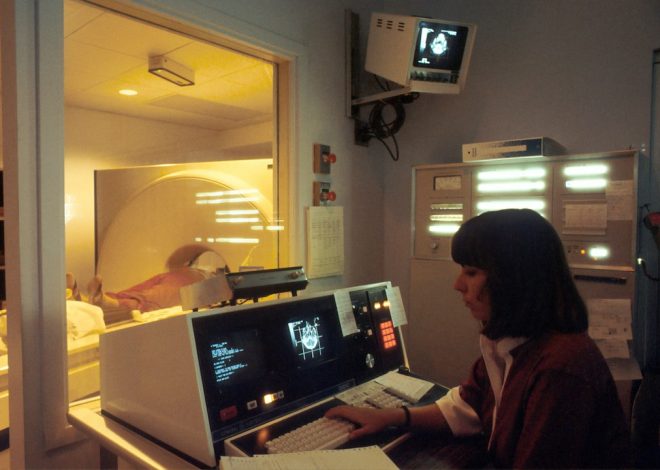
Radiology Information System: 9 Workflows to Validate Before Go-Live
A radiology information system (RIS) manages the administrative and workflow data around diagnostic imaging. It can coordinate orders, appointments, patient and exam information, worklists, reporting status, and billing-related records. A RIS helps radiology teams move a study through the department, while imaging itself is typically stored and viewed in a picture archiving and communication system […]

Tournament Software: 9 Features for Smoother Event Operations
Tournament software helps organizers manage the work behind a competition, from registration and brackets to match schedules, results, and participant updates. It can be useful for sports clubs, schools, leagues, community groups, and event teams that need to coordinate players, venues, officials, and spectators. The right platform reduces manual coordination while keeping rules, seeding, and […]

Radio Automation Software: 8 Checks for a Reliable On-Air Workflow
Radio automation software manages the audio and scheduling tasks that keep a station on air. Depending on the station, it may build playlists, play music and commercials, manage voice tracks, support live presenters, and handle unattended playout. The right platform should fit the station’s format, staffing, compliance needs, and backup plan while giving operators clear […]

PLC Programming Software: 8 Features to Check Before You Choose
PLC programming software is used to create, test, monitor, and maintain the logic that controls industrial equipment. It connects engineering intent to a programmable logic controller, which reads inputs, evaluates the program, and updates outputs for machines or processes. The software affects how teams build safe, understandable programs and manage changes over the life of […]

SCADA Software: 9 Capabilities to Evaluate for Reliable Operations
SCADA software lets operators monitor and supervise equipment distributed across a plant, utility, pipeline, or other industrial operation. It gathers data from control devices, displays alarms and trends, and gives authorized staff a way to send supervisory commands. A good SCADA system helps people understand what is happening across the process. It does not remove […]

CFD Software: 8 Steps to Trustworthy Engineering Simulations
CFD software, or computational fluid dynamics software, models how liquids and gases move around or through a system. Engineers use it to explore airflow, heat transfer, pressure drop, mixing, drag, and other fluid behavior before building or modifying equipment. The software can make complex flow visible, but results depend on assumptions, geometry, mesh quality, boundary […]
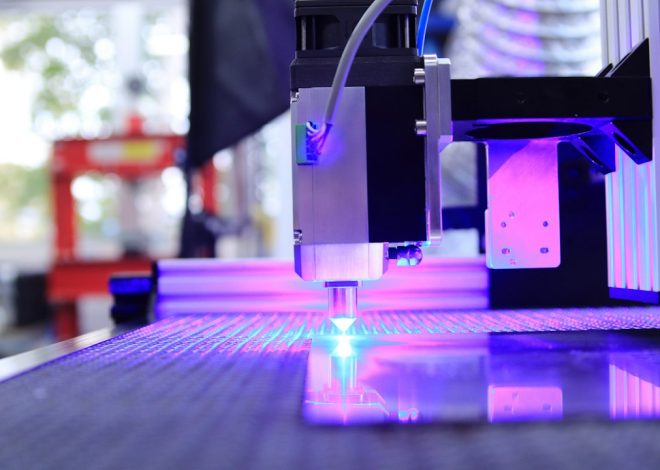
Laser Cutting Software: 8 Checks for Accurate, Repeatable Jobs
Laser cutting software prepares vector artwork and sends a controlled job to a laser machine. It helps an operator arrange designs, set cut or engrave layers, preview the work area, and send motion and power commands to a supported controller. Choosing software that matches the laser, material, and production workflow can reduce setup errors. However, […]
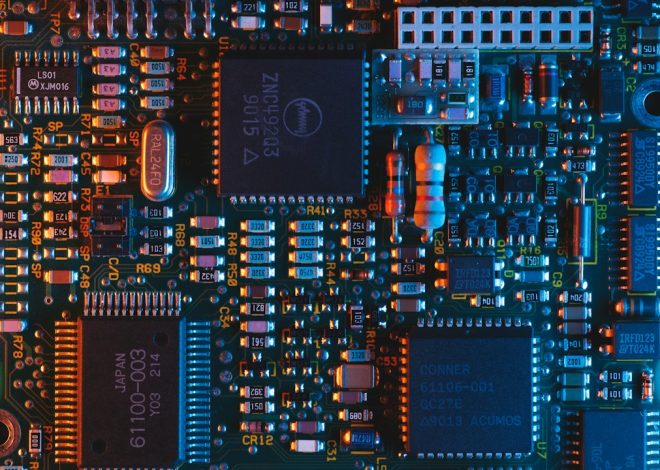
PCB Design Software: 8 Capabilities to Check Before a Board Release
PCB design software helps engineers turn a circuit idea into a manufacturable printed circuit board. A typical workflow combines schematic capture, component footprints, board layout, design-rule checks, 3D review, and manufacturing outputs. The software matters because a logical circuit can still fail if footprints, clearances, stack-up, or fabrication files do not match the physical board […]

Nutrition Label Creator: 8 Checks Before You Approve a Food Label
A nutrition label creator turns a food formula and serving data into a draft Nutrition Facts panel. For a food business, it can speed up recipe analysis, calculate nutrient values, and help keep label versions tied to the right product. However, the software does not decide whether every legal requirement has been met. A qualified […]
3D Printer Slicer Software: 8 Settings to Check Before Every Print
3D printer slicer software converts a three-dimensional model into the layer-by-layer instructions a printer can follow. It is where a digital design becomes a real build plan: the slicer positions the part, selects a print profile, generates supports, and produces machine code. The right settings can improve fit, surface finish, strength, and print time, while […]