






Mobile Backend as a Service: 9 Capabilities to Compare for Your App
Mobile backend as a service provides managed cloud functions such as authentication, databases, storage, messaging, and server-side logic. It can help teams build standard features sooner, but they still need to design access, business rules, and recovery. Common mBaaS services Firebase describes mobile and web authentication in its Authentication documentation. AWS explains backend services for […]

Digital Twin Platform: 9 Capabilities to Evaluate for a Useful Twin
A digital twin platform helps create and operate a digital representation of a real asset or process. A useful twin connects data and models to a defined outcome such as monitoring conditions, testing a plan, or improving maintenance. It is more than a 3D rendering. What is a digital twin? NIST explains digital twins as […]

Software Composition Analysis Tools: 9 Checks for Safer Dependencies
Software composition analysis tools identify third-party components in applications and help teams assess risks. They can map direct and transitive dependencies, flag vulnerabilities, and support license review. Teams need to know what their products ship and connect findings to remediation. What SCA does SCA examines manifests, lockfiles, source, or build artifacts. GitHub describes its dependency […]

Consent Management Platform: 10 Features for Clear Privacy Choices
A consent management platform helps show privacy choices, record preferences, and pass signals to digital systems. It can support cookie banners and preference centers, but software alone does not make a process compliant. Teams must define purposes and test connected systems. How a CMP works A CMP can inventory technologies, present choices, store selections, and […]
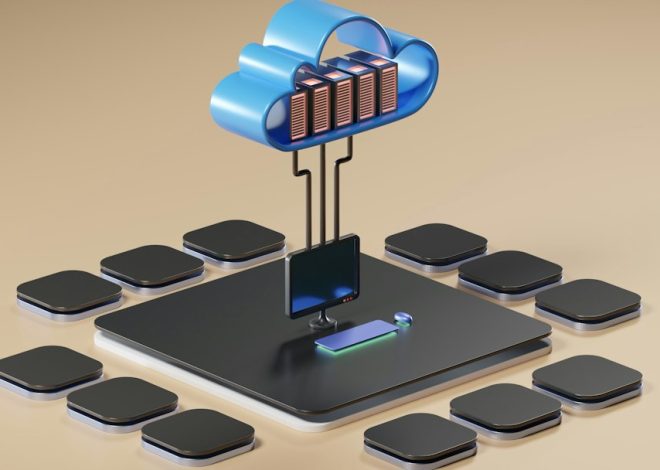
Edge Computing Platform: 9 Features for Reliable Workloads Near Data
An edge computing platform helps deploy software near devices or machines that create data. Local processing can support quick decisions, weak-connectivity operation, or lower data transfer. It also adds hardware, fleet, and site support work. What an edge platform does It may provide a runtime, deployment controls, local processing, monitoring, and cloud connectivity. Read the […]

RAG Software: 8 Components for More Grounded AI Answers
RAG software combines search with a generative AI model. It retrieves source material first, then uses that context to help form an answer. Retrieval-augmented generation can support enterprise search, but it does not guarantee that every response is correct. How RAG works A typical pipeline imports documents, splits them into passages, indexes them, retrieves relevant […]

Cloud Security Posture Management: 9 Capabilities for Safer Cloud Environments
Cloud security posture management helps teams discover cloud misconfigurations, prioritize risks, and track remediation. CSPM tools can flag public storage, excessive permissions, or missing controls. Detection alone is not enough: teams need context, ownership, and a way to verify fixes. How CSPM works A CSPM service discovers assets, evaluates settings against policies, and reports findings. […]

Embedded Systems Engineering: 10 Decisions That Shape a Reliable Product
Embedded systems engineering combines hardware, firmware, and software to build devices for defined jobs. Sensors, medical monitors, vehicle controllers, and industrial machines depend on these disciplines working together. Teams balance performance, power, cost, safety, and support over the product lifecycle. What the work includes An embedded system uses a processor to read inputs, process data, […]

Farmers Market Management Software: 9 Features for Easier Vendor Operations
Farmers market management software helps organizers coordinate vendors, applications, booth assignments, fees, market dates, staff, communications, and reporting. A market may operate weekly, host seasonal events, and work with vendors who have different products, requirements, and schedules. When those details live in email and spreadsheets, organizers can spend more time resolving records than supporting vendors […]
Ice Rink Management Software: 9 Features for Smoother Arena Operations
Ice rink management software helps arenas coordinate ice time, public sessions, leagues, lessons, rentals, staffing, maintenance, payments, and customer communication. A rink may serve hockey teams, figure skating programs, public skates, schools, camps, and private rentals on the same sheet of ice. When staff maintain separate calendars for each group, a single change can create […]