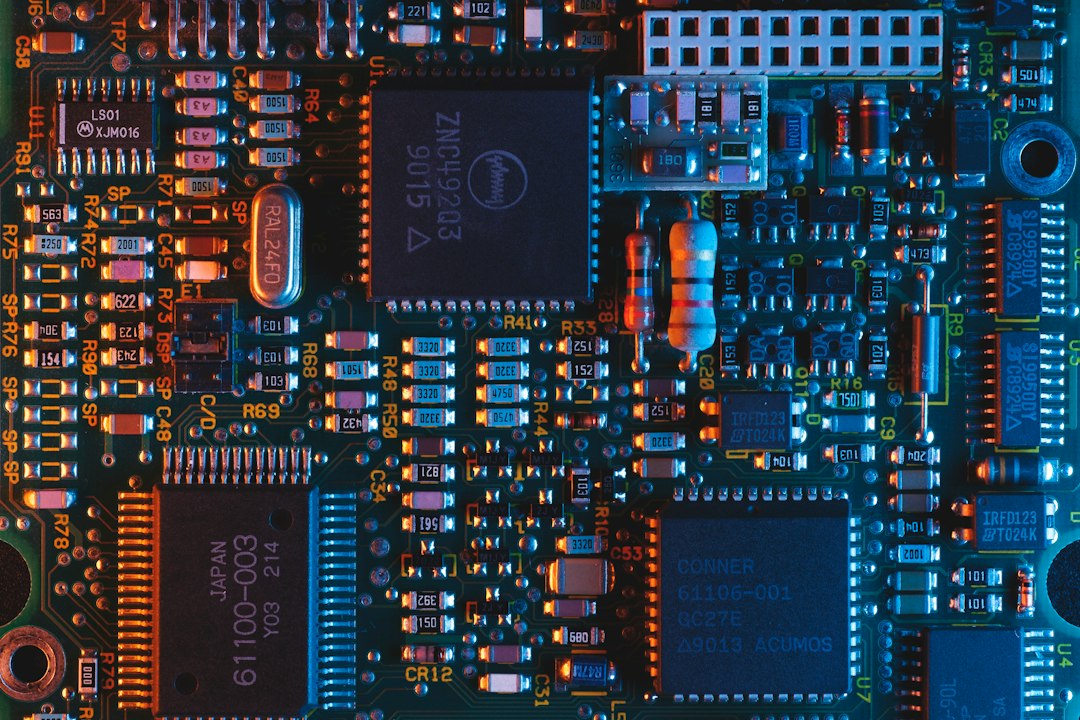
Embedded Systems Engineering: 10 Decisions That Shape a Reliable Product
Embedded systems engineering combines hardware, firmware, and software to build devices for defined jobs. Sensors, medical monitors, vehicle controllers, and industrial machines depend on these disciplines working together. Teams balance performance, power, cost, safety, and support over the product lifecycle.
What the work includes
An embedded system uses a processor to read inputs, process data, and control outputs. Arm’s embedded design resource introduces timing and communication. For connected products, NIST’s IoT cybersecurity guidance helps frame security needs.
10 decisions to make early
- Environment: Document heat, vibration, moisture, connectivity, and life expectancy.
- Processor: Compare options based on workload and tool support.
- Timing: Define response deadlines and safe failure behavior.
- Interfaces: Specify sensor ranges, protocols, and data formats.
- Power: Measure active and sleep modes in realistic use.
- Security: Plan identity, credentials, updates, and debug access.
- Recovery: Design rollback after interrupted updates.
- Testing: Combine software and hardware-in-loop tests.
- Manufacturing: Plan calibration, provisioning, and factory checks.
- Maintenance: Assign owners for patches and support.
Practical development lifecycle
Turn user needs into measurable requirements. Prototype risky assumptions such as sensor accuracy, radio coverage, and battery life. Define system boundaries, then integrate hardware and firmware early. Test normal operation and cases such as sensor disconnection, network loss, and low storage.
Before production, validate manufacturing tolerances and provisioning. A development board may behave differently in the final enclosure. Include manufacturing and support staff in design reviews.
Common pitfalls
- Starting without lifecycle requirements.
- Testing hardware and firmware only in isolation.
- Ignoring degraded modes after network or sensor failures.
- Adding secure updates too late.
- Failing to plan field diagnostics.
Frequently Asked Questions
What is embedded software?
Software that runs on a device to support its dedicated function. Firmware is often its lower-level component.
Which languages are used?
C and C++ are common; select based on safety, hardware, tools, and team expertise.
Conclusion
Embedded systems engineering treats hardware, software, production, and maintenance as one product. Clear requirements and realistic tests support reliable devices.
Build software around how your business works
Anomoz helps organizations plan connected product software around operations.