



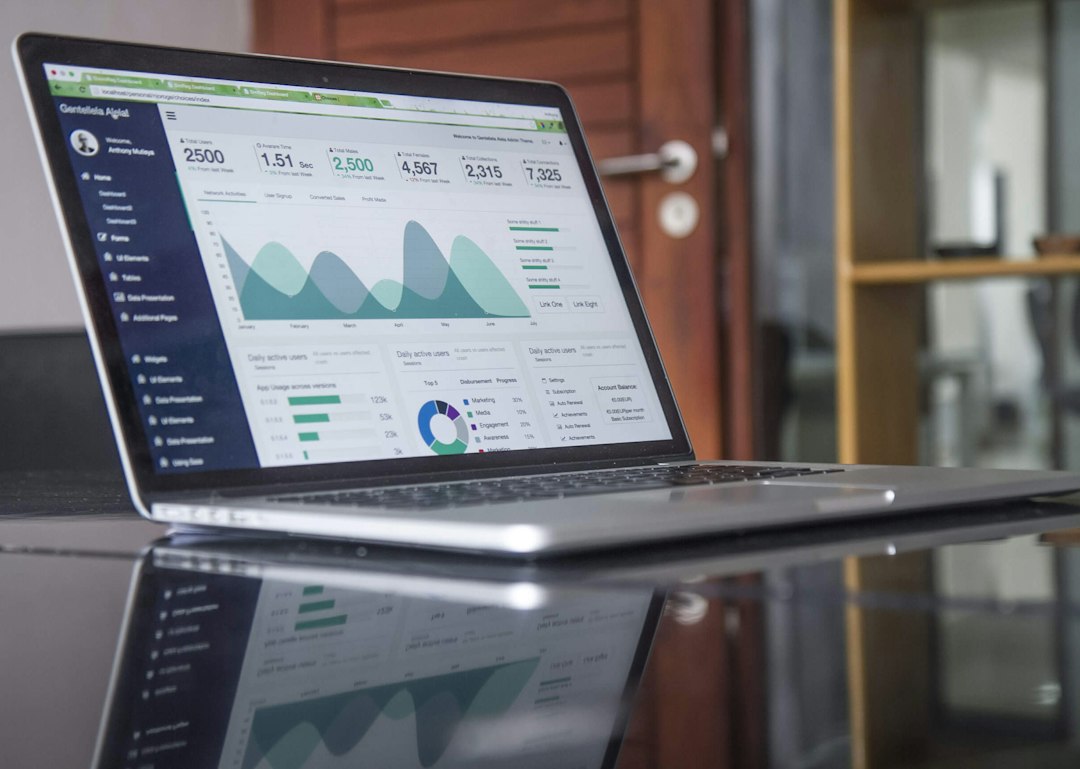


Citation Management Software: 10 Features for Accurate Research References
Citation management software helps researchers collect sources, organize notes, insert citations, and generate bibliographies in a required style. It can reduce repetitive formatting and make a research library easier to search and share. This guide compares citation and reference management software features, explains how to keep metadata accurate, and outlines a practical workflow for students, […]

Robotics Software: 10 Capabilities to Evaluate Before Deployment
Robotics software coordinates the sensing, decisions, motion, and monitoring that let a robot perform work in a real environment. The right robotics platform depends on the robot’s job, hardware, surroundings, safety needs, and the team that will maintain it. This guide explains the main software layers, ten capabilities to assess, and practical steps for evaluating […]

Data Virtualization Platform: 9 Criteria for Unified, Governed Access
A data virtualization platform gives users a unified way to query information that remains in multiple databases, applications, and cloud services. Instead of first copying every dataset into one repository, the platform creates a logical access layer that can combine data from its sources. This guide explains how data virtualization works, when it fits, which […]

CI/CD Platform: 10 Features for Safer, Faster Software Releases
A CI/CD platform automates the steps that move a code change from a developer’s branch toward a tested, releasable product. Continuous integration helps teams build and test changes frequently; continuous delivery keeps changes ready for a controlled release, while continuous deployment can release qualifying changes automatically. This guide explains the distinctions, ten capabilities to compare, […]
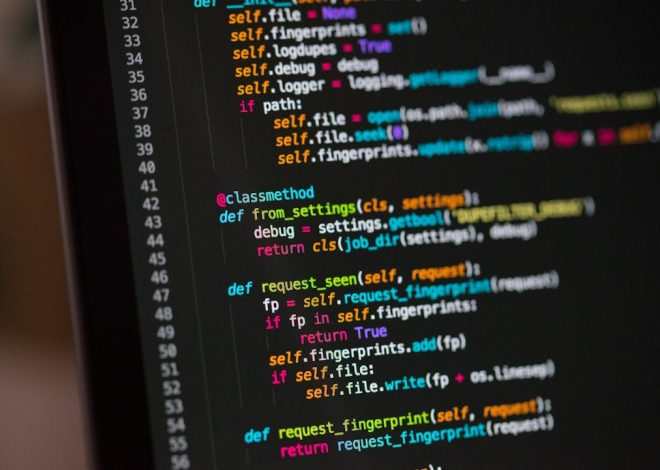
Code Review Tools: 10 Features That Help Teams Ship Better Changes
Code review tools help software teams inspect proposed changes, discuss design choices, run automated checks, and decide whether code is ready to merge. The best setup makes context easy to understand and feedback easy to act on. This guide covers ten features to compare, a practical review workflow, and ways to keep a code review […]
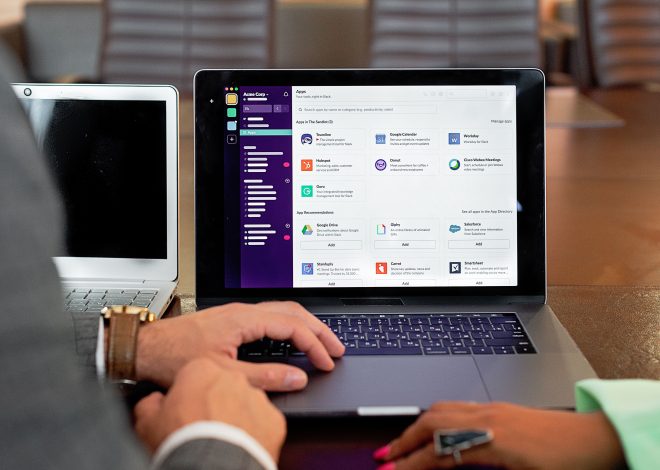
Application Monitoring Tools: 10 Capabilities for Reliable Cloud Apps
Application monitoring tools help teams understand whether software works well for users and where performance problems begin. Strong monitoring connects service health, user experience, infrastructure, and application behavior instead of presenting disconnected charts. This guide explains the core capabilities to compare, how cloud application monitoring tools fit modern systems, and how to design useful alerts […]

Musician Management Software: 10 Features for a More Organized Artist Career
Musician management software helps an artist, manager, or small team keep career work in one organized system. It can bring contacts, show dates, agreements, releases, budgets, and follow-ups together so important details do not live only in inboxes and spreadsheets. This guide explains what artist management software should support, which features matter at different career […]

Podcasting Software: 10 Features to Plan a Reliable Show Workflow
Podcasting software brings the work of planning, recording, editing, publishing, and measuring a show into a repeatable process. The right setup helps solo creators avoid production friction and helps teams coordinate guests, audio files, approvals, and releases. This guide explains what podcast software should do, which features matter at each stage, how to compare tools, […]

SIEM Software: 9 Capabilities for Useful Security Monitoring
SIEM software collects and analyzes security events from systems such as endpoints, networks, applications, and cloud services. It can help teams detect suspicious activity, investigate incidents, and retain useful log records. This guide explains core SIEM capabilities, how to evaluate tools, and how to build a monitoring workflow that produces actionable alerts instead of noise. […]
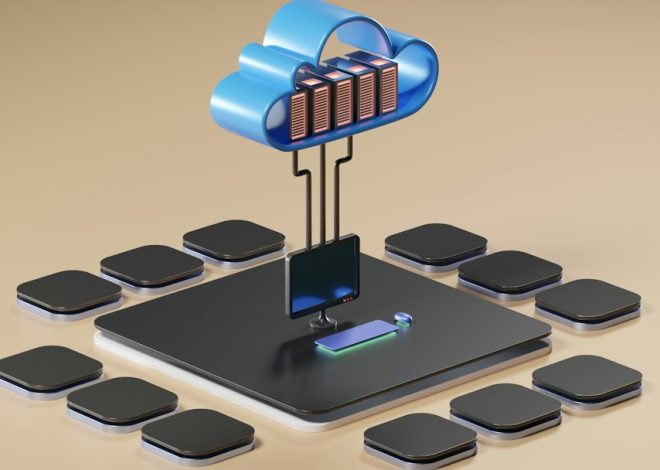
Data Migration Framework: 9 Steps for a Controlled Data Move
A data migration framework gives teams a repeatable way to move information from one database, application, or platform to another. It combines discovery, mapping, validation, security, cutover, and recovery planning. This guide explains the steps in a practical data migration framework, how migration tools support the work, and which decisions reduce risk before production data […]