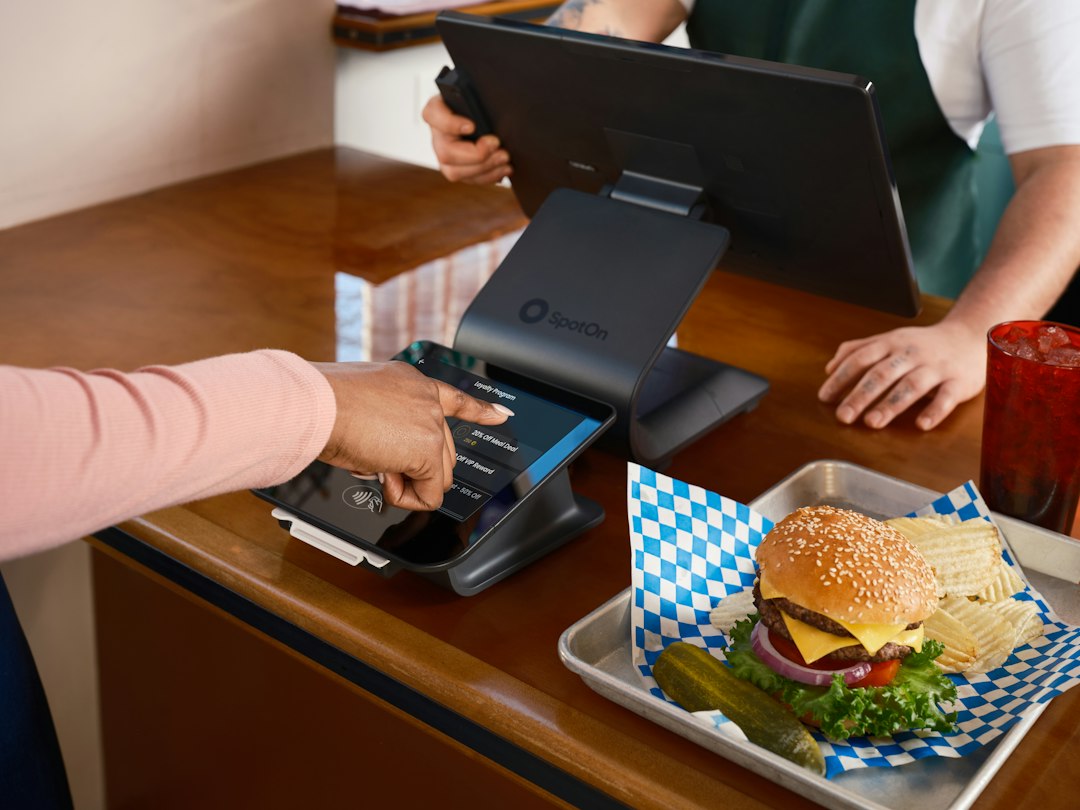
Loyalty Program for Restaurants: 8 Rules for Rewards That Protect Margins
Loyalty program for restaurants gives a restaurant operator a structured way to manage every guest rewards account. However, storing information is only part of the job. Staff must know which data is current, what remains unresolved, and who can approve the next action. An effective platform makes all three clear without creating duplicate work.
Below are eight specific controls to test, followed by buying criteria, rollout steps, common mistakes, and questions to ask during a demonstration. The related phrase reward programs for restaurants often describes overlapping products, but the actual scope can differ by vendor.
Ask the vendor to show the whole lifecycle of one record, including a correction and an exception.
Start with a real example
Consider this case: A diner earns points on an online order that later gets refunded. Points, payment reversals, and reward redemption must reconcile. Before comparing products, list the people involved, the required inputs, and the evidence each decision needs. Then note which systems hold the data today and how updates reach the next person. A tool that cannot represent the exception may not help even if its dashboard looks polished.
Agree on the meaning of each status. A record marked booked, approved, submitted, or paid can represent very different conditions. Define who is allowed to move an item between stages, what proof is necessary, and whether the previous status remains visible. These rules become the foundation for reporting and training.
8 essential controls and practical tests
1. Customer enrollment and consent
Customer enrollment and consent is a critical point in the restaurant operator’s handling of a guest rewards account. This capability starts with the facts needed to identify the record and avoid mixing unrelated cases. Check field definitions, duplicates, and the relationship between the record and the person or project it serves. In practice, document exactly what enters this stage and what must be true before a colleague can consider it complete.
Example acceptance test: Take a realistic guest rewards account, then deliberately introduce an unexpected change related to customer enrollment and consent. Enter two similar cases and ensure the system keeps them separate. The system should preserve evidence, show who is responsible, and make the next action clear. Otherwise, the team may have to reconstruct the story from inboxes and spreadsheets.
2. Points earned by eligible spend
Points earned by eligible spend is a critical point in the restaurant operator’s handling of a guest rewards account. Operational records develop over time. Users need quick access to the latest information and earlier decisions, without confusing a correction with an entirely new transaction. In practice, document exactly what enters this stage and what must be true before a colleague can consider it complete.
Example acceptance test: Take a realistic guest rewards account, then deliberately introduce an unexpected change related to points earned by eligible spend. Update a field after a colleague has viewed it and confirm both the old and new values are traceable. The system should preserve evidence, show who is responsible, and make the next action clear. Otherwise, the team may have to reconstruct the story from inboxes and spreadsheets.
3. Reward value and margin planning
Reward value and margin planning is a critical point in the restaurant operator’s handling of a guest rewards account. A clear workflow identifies which actions happen automatically and which require permission. Exceptions need reasons, owners, and deadlines rather than silent rejection. In practice, document exactly what enters this stage and what must be true before a colleague can consider it complete.
Example acceptance test: Take a realistic guest rewards account, then deliberately introduce an unexpected change related to reward value and margin planning. Try advancing a case with missing evidence and review the escalation. The system should preserve evidence, show who is responsible, and make the next action clear. Otherwise, the team may have to reconstruct the story from inboxes and spreadsheets.
4. Tier progress and expiration
Tier progress and expiration is a critical point in the restaurant operator’s handling of a guest rewards account. The system must bridge shifts, departments, and external services. Define a source of truth for each field so employees do not maintain conflicting copies. In practice, document exactly what enters this stage and what must be true before a colleague can consider it complete.
Example acceptance test: Take a realistic guest rewards account, then deliberately introduce an unexpected change related to tier progress and expiration. Delay a connected-system update and examine the reconciliation path. The system should preserve evidence, show who is responsible, and make the next action clear. Otherwise, the team may have to reconstruct the story from inboxes and spreadsheets.
5. POS and online ordering integration
POS and online ordering integration is a critical point in the restaurant operator’s handling of a guest rewards account. Status messages should be accurate, concise, and appropriate for the recipient. A notification does not replace consent, privacy requirements, or professional judgment. In practice, document exactly what enters this stage and what must be true before a colleague can consider it complete.
Example acceptance test: Take a realistic guest rewards account, then deliberately introduce an unexpected change related to pos and online ordering integration. Generate a notification following a change and confirm it reflects the current state. The system should preserve evidence, show who is responsible, and make the next action clear. Otherwise, the team may have to reconstruct the story from inboxes and spreadsheets.
6. Returns and point reversals
Returns and point reversals is a critical point in the restaurant operator’s handling of a guest rewards account. Errors and changed plans are unavoidable. Good software preserves what happened while allowing authorized staff to make a valid correction or reversal. In practice, document exactly what enters this stage and what must be true before a colleague can consider it complete.
Example acceptance test: Take a realistic guest rewards account, then deliberately introduce an unexpected change related to returns and point reversals. Reverse a completed transaction and inspect the associated totals and approval history. The system should preserve evidence, show who is responsible, and make the next action clear. Otherwise, the team may have to reconstruct the story from inboxes and spreadsheets.
7. Staff misuse and fraud controls
Staff misuse and fraud controls is a critical point in the restaurant operator’s handling of a guest rewards account. A frontline user may need only the current work item, while a manager needs broader reporting. Permissions must account for sensitive records and external parties. In practice, document exactly what enters this stage and what must be true before a colleague can consider it complete.
Example acceptance test: Take a realistic guest rewards account, then deliberately introduce an unexpected change related to staff misuse and fraud controls. Compare screens for staff, supervisors, and outside collaborators. The system should preserve evidence, show who is responsible, and make the next action clear. Otherwise, the team may have to reconstruct the story from inboxes and spreadsheets.
8. Repeat visit and redemption metrics
Repeat visit and redemption metrics is a critical point in the restaurant operator’s handling of a guest rewards account. Dashboards should explain completed work, delays, and losses. Every aggregate must reconcile with the underlying records and documented business definitions. In practice, document exactly what enters this stage and what must be true before a colleague can consider it complete.
Example acceptance test: Take a realistic guest rewards account, then deliberately introduce an unexpected change related to repeat visit and redemption metrics. Export a period report and trace each unusual total to its source. The system should preserve evidence, show who is responsible, and make the next action clear. Otherwise, the team may have to reconstruct the story from inboxes and spreadsheets.
How to compare software choices
Demonstrate three cases: a routine guest rewards account, one with missing information, and one that requires a change after a previous decision. Use the same examples with each vendor. This comparison reveals process gaps that a feature checklist cannot show. Pay attention to the number of extra messages and manual edits employees need to complete the work.
Ask about integrations with existing systems and verify the details. A nightly CSV upload is different from near-real-time synchronization. Neither is automatically better; the important question is whether the update schedule fits the business. Also check what happens after failed transfers, duplicates, or API changes. Define who reviews those exceptions.
Assess data exports, role permissions, mobile usability, reporting, and training. Where the process handles money or regulated records, require the team to verify any industry-specific rules separately. A software feature should support compliance, not replace the responsible professional.
Security and reference guidance
Review official sector guidance and reference material alongside additional authoritative security or operational standards. These resources can help you ask better questions during procurement. In particular, clarify who controls access, what information an external user can see, and which records the organization must retain.
Request a demonstration of audit history and export options. Try restricting one user’s access, recovering a recently deleted record, and reviewing an account change. More importantly, check that sensitive information does not appear in general-purpose alerts or public-facing reports. A secure product should also provide a practical route to revoke access when an employee or vendor leaves.
Implementation steps
Map the current operation
Interview the staff who create, process, approve, and close records. Document where information originates and how it moves. Distinguish required policies from habits employees developed to work around old software. The aim is not to recreate every spreadsheet screen.
Define data and ownership
Create a short data dictionary describing important IDs, dates, amounts, and statuses. Then name the person or role who owns each decision. Where two systems share information, decide which one can change the authoritative value. In addition, define an escalation route for unusual cases.
Test a small migration
Import a realistic mix of open, completed, changed, and canceled records. Compare the totals and supporting files against the original. Clean duplicates and outdated values before moving a large archive. Keep a tested backup, and do not assume an import succeeded because the program displayed a green confirmation.
Run a role-based pilot
Ask users to complete normal cases and corrections. Observe where instructions, screen labels, or alerts confuse them. Collect feedback after enough real work has passed through the workflow. Then measure completion time, errors, unresolved tasks, and customer complaints against the previous process.
Buying mistakes to avoid
- Comparing only subscription prices: include setup, training, integrations, and ongoing support.
- Ignoring reversals: test how the system handles cancellations and corrected records.
- Assuming every automation is safe: preserve review when policy, consent, or professional judgment is involved.
- Weak data ownership: prevent different systems from silently updating competing versions.
- Skipping exit planning: confirm complete exports and retention before committing.
Related Anomoz guidance and build-versus-buy
The articles on connected business workflows and related operational software can help you identify where this tool should integrate with existing platforms. Do not add a second system of record without a clear purpose. Often, improving a handoff between two established tools is less disruptive than replacing both.
An off-the-shelf solution works well when its normal workflow closely fits your process. A custom solution becomes worth evaluating when essential approvals, unusual data relationships, or integrations cannot be supported reliably. Anomoz provides custom CRM development for businesses that need a tailored process. If you pursue this route, start with acceptance tests and a manageable release plan, not an open-ended feature list.
Frequently Asked Questions
Which feature matters most in loyalty program for restaurants?
The most valuable feature is the one that resolves your current workflow bottleneck. Test it with a normal case and a difficult exception.
How should we estimate the real price?
Include implementation, licenses or hosting, integrations, support, training, and the time employees spend maintaining data quality.
Can the new system integrate with existing tools?
Often yes, but ask what data moves, how frequently it updates, which system owns each field, and how failed updates are handled.
Should we build instead of buy?
Buy when standard tools support your important cases. Consider building when business-critical requirements cannot be met without fragile workarounds.
Conclusion
Loyalty program for restaurants should make each guest rewards account easier to trace, correct, and complete. Test the eight controls above with realistic examples. Then pilot a small rollout, measure results, and adjust the process before expanding to more users.
Build software around how your business works
Need connected workflows, clear permissions, and reliable reporting?