HVAC maintenance checklist: 12 Checks for Seasonal Service
An HVAC maintenance checklist organizes the checks that help a heating and cooling system operate as intended. It should cover the equipment identity, filters, airflow, drains, controls, and system-specific service tasks. However, it must also separate owner observations from electrical, fuel, refrigerant, and other work that requires a trained technician.
This guide covers 12 checklist areas, a practical service record, seasonal planning, and a worked handoff example. It focuses on typical residential systems and small-property service workflows. The installed equipment’s manuals and trained service instructions determine the actual procedure and acceptable readings.
Build the checklist around the installed system
First, name the heating and cooling equipment. A furnace with a split air conditioner needs a different service scope from a heat pump, boiler, or ductless system. Do not copy every task onto every job and ask staff to mark the rest complete.
The ENERGY STAR maintenance checklist supports pre-season expert checks and separates general tasks from heating- and cooling-specific work. Use that structure to plan the visit, then apply the exact maker procedure.
Next, decide which tasks the owner can safely perform. Reading a thermostat display or reporting noise differs from opening a panel or testing live equipment. Keep those boundaries visible in the form.
If there is a gas smell, carbon monoxide alarm, electrical burning, or another immediate hazard, follow the right emergency instructions. A routine checklist should not delay emergency action or encourage someone to investigate unsafe equipment.
1. Confirm assets, manuals, and service history
Record the property, equipment location, maker, model, serial number, and system type. Link indoor and outdoor units where they form one system. Also record the date and technician for the current visit.
Review earlier defects, repairs, and repeat complaints. For example, a second report of water near the indoor unit deserves a look at the past findings. Do not assume that repeating the earlier repair will solve the present issue.
Keep the current manual and any service bulletins available to the trained person. A generic checklist should guide attention without replacing model-specific instructions.
2. Ask about comfort and operating changes
Ask whether rooms feel uneven, the system runs differently, or the owner hears new sounds. Record when the issue occurs and whether it relates to heating, cooling, or both. Specific conditions help the technician plan the assessment.
Next, note recent building changes such as new windows, added rooms, or changed occupancy. These details may affect comfort even when the equipment itself has no simple mechanical fault.
Separate owner reports from measured results. “Rear bedroom warm after midday” is a useful symptom. “Unit undersized” is a conclusion that needs more evidence.
3. Review thermostat and control operation
Check the displayed mode, schedule, and setpoints within the agreed scope. Confirm that the owner understands basic operation and any approved energy-saving settings. Do not change a schedule without telling the person who uses the property.
The technician should check the equipment’s start, run, and stop sequence as the service procedure requires. Record the actual response and any fault codes. A thermostat screen alone does not show that every stage operates correctly.
In addition, note any remote control or connectivity concern separately. A Wi-Fi problem and a heating-system fault may need different owners and follow-up steps.
4. Inspect the correct filter and its fit
Record the filter’s location, size, type, and observed condition. Follow the manual when replacing or cleaning it. Turn equipment off as instructed, and avoid opening areas that require a technician.
The Department of Energy’s filter-installation guidance explains that filters protect equipment and that clogged filters can restrict airflow. The practical lesson is to check fit and condition, not just the calendar.
Do not assume the highest available filter rating suits every system. Ask the trained provider to confirm an right filter and replacement plan. Then record what the provider approved so future visits stay clear.
5. Review accessible airflow paths
Owners can note blocked supply outlets, obstructed returns, and furniture that interferes with airflow. Keep these observations distinct from measured duct or equipment performance. A clear grille does not prove that the whole air system delivers the correct flow.
Next, the technician can perform the right airflow and blower checks. Record the method, readings, and conditions rather than a vague “airflow good.” Acceptable values depend on the installed system and operating mode.
If one room remains uncomfortable, document the room and conditions. Avoid closing unrelated vents or changing blower settings without a suitable assessment.
6. Inspect condensate drainage and water protection
The technician should review local drain lines, pans, and protective devices using the correct procedure. Record visible blockage, water staining, corrosion, and any test performed. Keep the result clear to the component.
For example, “drain flow checked under stated procedure” is more precise than “water issue solved.” A repeat leak may need further assessment of the source and operating conditions.
Owners should report unexpected water promptly and avoid unsafe contact with nearby electrical equipment. Do not pour a random cleaner into the system because a general online tip recommends it.
7. Review coils and heat-transfer surfaces
Check the right indoor and outdoor heat-transfer components within the expert scope. Record visible dirt, damage, and cleaning performed. The cleaning method must suit the material, equipment, and maker instructions.
Do not use a pressure washer or harsh chemical as a default owner task. A damaged fin or coating can create a new issue while trying to remove dirt. Instead, have the service provider specify suitable care.
Where access is limited, state that limit. A technician should not certify an unseen coil as clean just because the surrounding cabinet looks tidy.
8. Review outdoor-unit condition and clearances
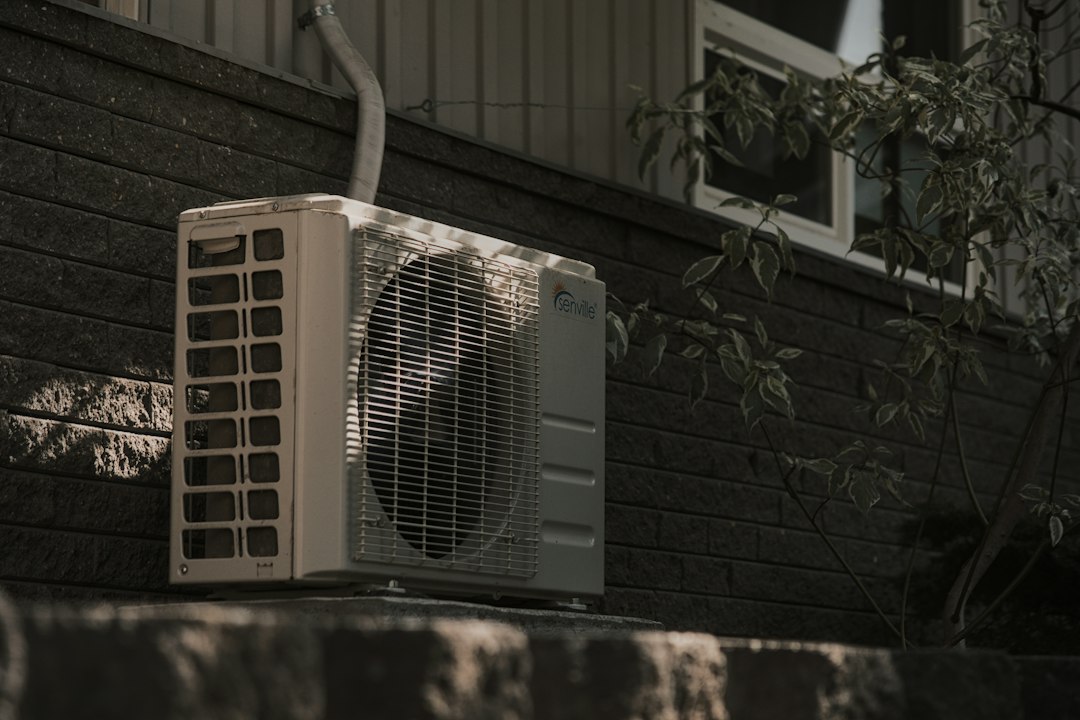
From a safe position, note vegetation, debris, visible damage, and unusual noise around the outdoor unit. Follow the manual for clearance needs. Do not apply one generic distance to every product.
Keep the equipment accessible for service and avoid storing items on or against it. If a guard, panel, or support appears loose, request trained review before normal operation continues.
Also note changes to the area since the last visit, such as a new fence or planting. Those changes may affect access or airflow and deserve a clear entry.
9. Leave electrical checks to trained personnel
Electrical inspections and measurements require the correct skills and safe procedures. The technician should follow the service instructions for connections, controls, motors, and protective devices. Owners should not open panels to tighten terminals.
Record actual findings and corrective work. If a connection needs repair, keep that action separate from the later running check. This allows the next provider to understand what changed.
In addition, document any unresolved electrical defect and use restriction. Do not hide it inside a general recommendation list that the owner may skim past.
10. Apply cooling and refrigerant checks only where right
A trained technician should assess refrigerant-related performance using the system’s needed procedure and suitable conditions. Keep the readings, operating mode, and right context together. Avoid treating refrigerant as a consumable that needs automatic topping up.
If the technician finds a concern, record the diagnosis or the need for further investigation. A pressure reading without temperature and operating context may not support a reliable conclusion.
Ask the provider to explain any proposed work in plain language. The service record should show why it was necessary and what final checks followed.
11. Apply heating-specific service checks
Combustion equipment needs a trained heating-service procedure for the right fuel and appliance. This can include the specified review of burners, venting, heat-exchange components, and safety operation. A heat pump needs a different heating-mode assessment.
Do not group all systems under “furnace checked.” Instead, show the right task set and record the actual findings. Where a safety concern exists, preserve the technician’s instructions and follow-up plan.
Also separate a routine service visit from a formal safety certification if your location uses one. The report title should reflect what the provider actually performed.
12. Complete the running review and action plan
After service, the technician should perform the local running checks and explain any remaining issue. Record the system mode, key results, done work, and unresolved advice.
Then give the owner a concise action list. Distinguish urgent restrictions, recommended repairs, and optional improvements. A replacement proposal should not look like a done maintenance task.
Finally, set the next service or review date under the equipment needs and provider’s advice. Keep the original report and link later repairs rather than rewriting the findings after the fact.
What belongs in an HVAC service record?
A useful HVAC service checklist captures the evidence behind the outcome. Include the following groups, then tailor the measurement fields to the system.
- Property, asset IDs, equipment type, date, technician, and visit purpose.
- Owner-reported symptoms and right recent changes.
- Tasks done, method, operating conditions, and actual readings.
- Areas not accessed and reasons for incomplete checks.
- Parts, filter details, cleaning, and other done maintenance.
- Defects, restrictions, repair advice, and approvals.
- Post-work checks, customer instructions, and next visit.
Use “not local” only when the task truly does not fit the equipment. Meanwhile, use “not tested” for a right check that could not occur. That distinction helps reviewers find missing work.
Worked example: a repeat water complaint
Imagine an owner reports water near the indoor unit for the second time. The office links the new visit to the earlier service record. The technician reviews the reported timing and checks the right components under the service procedure.
The report records the actual finding and any work performed, then lists the post-work final checks. If the cause remains unclear, it states the next investigation step rather than claiming success.
Next, the office schedules any return work and sends the owner clear instructions. A maintenance log keeps the dated history, while software for HVAC contractors can connect dispatch, service notes, and customer follow-up.
Where a business needs special approvals or a customer portal, custom crm development can connect those tasks. Start with a stable checklist and clear expert responsibility before adding automation.
Review a maintenance proposal before the visit
Ask which installed assets the proposal covers and which tasks require a separate diagnostic visit. For example, routine seasonal service may not include tracing an intermittent fault through several operating conditions. A clear scope prevents the owner from assuming that every comfort complaint will receive a full investigation during a short appointment.
Next, confirm what the provider will leave behind: a task record, right readings, defects, and recommended follow-up. The owner should not need to infer the result from a generic invoice line.
Also ask how the provider handles conditions that prevent a valid test. Weather, access, or an existing fault may limit the visit. A good record states the reason and the next step instead of filling the missing result with a default value.
Finally, keep service advice distinct from a sales proposal. Each proposed repair should connect to a finding, while optional upgrades should explain the intended benefit and the evidence needed before a decision.
Frequently Asked Questions
Can a homeowner complete the whole checklist?
No. Owners can perform safe manual-approved care and report symptoms. Electrical, fuel, refrigerant, and specialist testing tasks need trained personnel.
Should every system use the same service form?
Use a common record structure with equipment-specific tasks. A boiler, heat pump, and furnace should not share an identical technical checklist.
Does maintenance replace a load calculation?
No. Maintenance reviews condition and operation. A load calculation addresses the building’s heating and cooling needs and may support a separate design assessment.
Make seasonal service easy to review
A useful HVAC maintenance checklist connects each task to the correct equipment, trained person, and evidence. Keep owner care distinct from technical service. Then close the loop with clear findings, repair decisions, and a dated follow-up record.
Connect HVAC checks with service follow-up
Anomoz Softwares can help HVAC teams manage equipment histories, seasonal checklists, technician notes, and customer approvals.