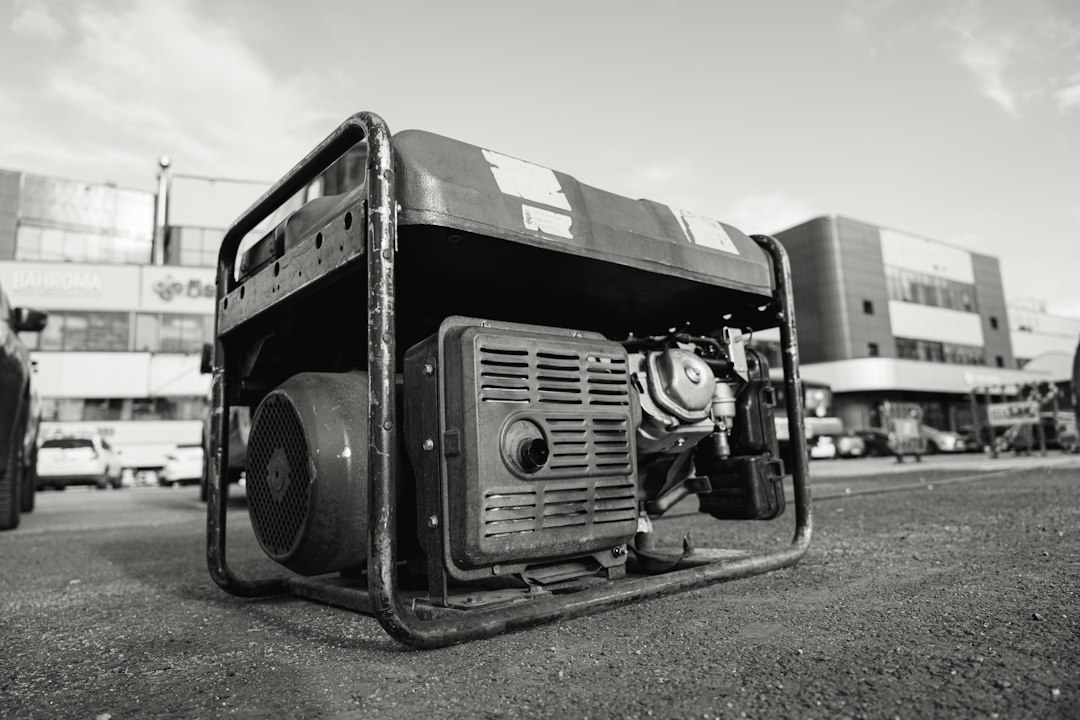
Generator Maintenance Checklist: Daily, Monthly, and Annual Service Tasks
A generator maintenance checklist helps owners and technicians document inspections, operating conditions, and service needs before an outage exposes a problem. A reliable plan covers fuel, engine oil, coolant, batteries, ventilation, electrical connections, and test records. Exact actions and intervals depend on the generator model and duty.
This generator service checklist explains routine visual checks, scheduled service, safe testing, warning signs, and recordkeeping for standby and portable units. It is a planning aid, not a substitute for the manufacturer’s maintenance manual or a qualified technician.
Before you inspect a generator
Identify the generator model, serial number, fuel type, rated output, engine hours, and last service date. Obtain its operator manual and any applicable site procedures. A diesel standby set, natural-gas unit, and small portable gasoline generator do not share one universal service schedule.
Check who may perform each task. Visual observations are different from opening energized electrical panels, servicing fuel lines, or testing an automatic transfer switch. Reserve potentially hazardous work for qualified personnel and follow required isolation and lockout procedures.
Record ambient temperature, recent operating hours, unusual alarms, and any maintenance due. A complete record helps distinguish a recurring fault from a one-time observation.
Quick visual generator maintenance checklist
- Confirm the area has clear access, proper ventilation, and no stored combustibles.
- Check the unit for visible damage, corrosion, loose panels, fluid puddles, and debris.
- Look for signs of fuel, oil, or coolant leaks without touching hot or moving components.
- Read the controller for active alarms, warnings, and service reminders.
- Record engine hours, battery indications, and fuel level where gauges permit safe readings.
- Check accessible exhaust areas for damage or obstruction while the unit is off and cool.
- Note abnormal sounds, vibration, or smells reported during the last run.
- Escalate any leak, alarm, damaged cable, or exhaust concern before further use.
The goal of a walkaround is to identify obvious risk, not to repair equipment while it runs. Stop and use the site’s escalation procedure if conditions appear unsafe.
For portable units, follow OSHA’s generator carbon monoxide guidance. Never operate portable generators indoors or near openings where exhaust can enter an occupied building.
Daily or before-use checks
For regularly used units, document the visible oil and coolant status when the manual permits safe inspection. Check that the fuel supply is adequate for the planned workload and that any fuel storage meets site rules. Inspect ventilation paths and the surrounding area.
If the unit uses a starting battery, note charger warnings and obvious terminal corrosion without handling live connections. Verify that emergency stop controls and warning labels remain accessible, but do not press emergency controls casually during a normal inspection.
For a portable generator, inspect cords and outlets for visible damage, ensure the unit stands on a suitable surface, and keep the system dry. Use the manufacturer’s instructions for approved electrical connections. Never backfeed a building through an improvised cable.
Weekly and monthly inspection tasks
At a scheduled interval, review the controller’s event history and record any failed starts or low-voltage notices. Check the condition of belts, hoses, air filters, radiator surfaces, and enclosure seals where inspection is safe and supported by the manual.
Test operation only under an approved site procedure. Some standby systems require scheduled exercise, while some tests may need a qualified operator, load management, or coordination with occupants. Record the start behavior, run duration, voltage and frequency if available, and any alarms.
The Cummins generator maintenance guidance emphasizes following the operator manual, tracking run hours, and increasing attention in harsh or dusty environments. Calendar-based intervals alone can miss heavy-use machines.
A generator that starts is not necessarily ready to carry the required load. Work with the responsible technician to determine what functional testing the installation needs. Do not assume a short unloaded exercise confirms full emergency performance.
Quarterly, semiannual, and annual service
Create a service calendar using the manufacturer’s hour and time limits, whichever applies to the relevant task. Engine oil and filter changes, fuel-system inspection, coolant service, air-filter replacement, belt checks, and battery testing may fall at different intervals. Avoid assigning universal intervals without model documentation.
A qualified technician may check electrical terminations, charging circuits, insulation condition, output performance, transfer switching, and protection systems. On fuel-powered standby installations, service may also include fuel quality assessment and tank maintenance.
Plan a full review at least once a year to confirm the written maintenance schedule still matches actual run hours and service history. Review warranty conditions, local requirements, and the needs of mission-critical loads. Document any corrective work rather than simply restarting the service clock.
If the generator supports life safety or other regulated emergency loads, applicable codes, authority requirements, and inspection records may impose additional testing duties. Engage the site’s responsible professional to determine which rules apply.
Engine oil, cooling, and air systems
Oil protects moving components, but the correct grade, quantity, and change frequency depend on the engine. Check levels and condition only as directed in the manual. Low levels, unexplained consumption, contamination, or recurring pressure alarms deserve investigation.
Cooling systems also need attention. A clogged radiator, obstructed air path, damaged hose, or coolant loss can cause overheating. However, opening a hot pressurized coolant system can cause severe injury. Allow appropriate cooling and leave hazardous service to trained staff.
Inspect air filters and inlet paths for dust and debris. Do not treat every filter as washable. Follow the manufacturer’s replacement and handling guidance, especially at dusty construction sites.
Battery, fuel, and electrical checks
A healthy engine cannot start with a weak starting system. Monitor charger status, battery age, connection condition, and recorded test results. Have trained staff test and service batteries with the proper protective equipment.
Fuel checks must reflect the fuel type. Diesel systems may face storage and contamination concerns; gas systems need supply and regulator checks; portable gasoline units require safe fuel storage and refueling practices. Never refuel hot or running equipment unless the equipment instructions explicitly allow a specialized procedure.
Electrical output inspections belong to qualified workers. Damaged insulation, loose connections, moisture ingress, and incorrect transfer arrangements can cause serious hazards. A visible inspection cannot confirm internal electrical safety, so log concerns for professional diagnosis.
Testing and operational records
Keep one record for every run and inspection. Capture the date, generator ID, engine hours, staff member, purpose of the test, starting behavior, measured values when available, alarms, fuel or fluid observations, and corrective actions.
Separate exercise tests from load tests and actual outage performance. Record the load or test method rather than writing only ‘passed’. If an automatic transfer switch forms part of the system, document its own inspection and testing under the applicable program.
When a test fails, describe the symptom and assign an owner and next action. Do not close the finding until the appropriate person confirms the correction. This simple discipline reduces repeat faults and gives the next technician a useful history.
Copyable generator service checklist
| Item | What to record | Timing |
|---|---|---|
| Area and enclosure | Access, debris, leaks, damage | Before use or routine walkaround |
| Controller | Alarms, status, hours | Routine check |
| Fuel | Supply level and visible concerns | Before use and by plan |
| Oil and coolant | Permitted checks, warnings | Per manual |
| Starting battery | Charger state and test result | Per manual |
| Filters and belts | Condition and service due | Per manual |
| Exercise or test | Duration, load, result, alarms | Approved schedule |
| Corrective actions | Issue, owner, resolution date | After each finding |
Add columns for model, location, work order, mechanic signature, parts used, and follow-up date. The table is a starting point, not an authorization to perform high-risk service.
Digital records can help companies schedule visits across many generator assets. Anomoz’s article on generator maintenance software explains ways to manage technician assignments, service histories, and recurring jobs.
Common generator maintenance mistakes
One frequent error is relying on an annual service visit while ignoring controller warnings between visits. Another is logging an engine start as a complete emergency-power test without confirming the system’s actual operating requirements.
Teams also lose time when they do not record engine hours or make parts and repair notes accessible. A technician may repeat diagnosis, overlook a service interval, or miss a failure trend. Use a consistent record format across units.
Finally, avoid ‘one-size-fits-all’ maintenance schedules. Harsh weather, heavy loads, dust, fuel type, and operating hours affect service needs. Always let the equipment documentation and governing requirements take precedence over a generic internet checklist.
Frequently Asked Questions
How often should a generator be maintained?
Use the manufacturer’s calendar and engine-hour requirements, adjusted for operating conditions and applicable site rules. Visual checks and professional service may follow different schedules.
What is the most important generator maintenance task?
No single task proves readiness. The combination of safe inspections, starting-system health, fuel and fluid condition, scheduled service, and relevant functional testing matters most.
Can I test a standby generator without a load?
Some systems include unloaded exercise, but it does not necessarily prove full operating capacity. Follow manufacturer guidance and the site’s approved testing requirements.
What details belong on a generator maintenance form?
Record equipment identity, date, engine hours, checks completed, measurements when relevant, warnings, work performed, and the next action with an accountable owner.
Conclusion
A strong generator maintenance checklist combines quick observations with model-specific service, safe functional testing, and clear follow-up records. Keep each task tied to a responsible person and an approved procedure. The goal is verified readiness, not a stack of completed forms.
Service companies managing many units can explore custom crm development to connect customer assets, maintenance reminders, technician notes, and service histories.