
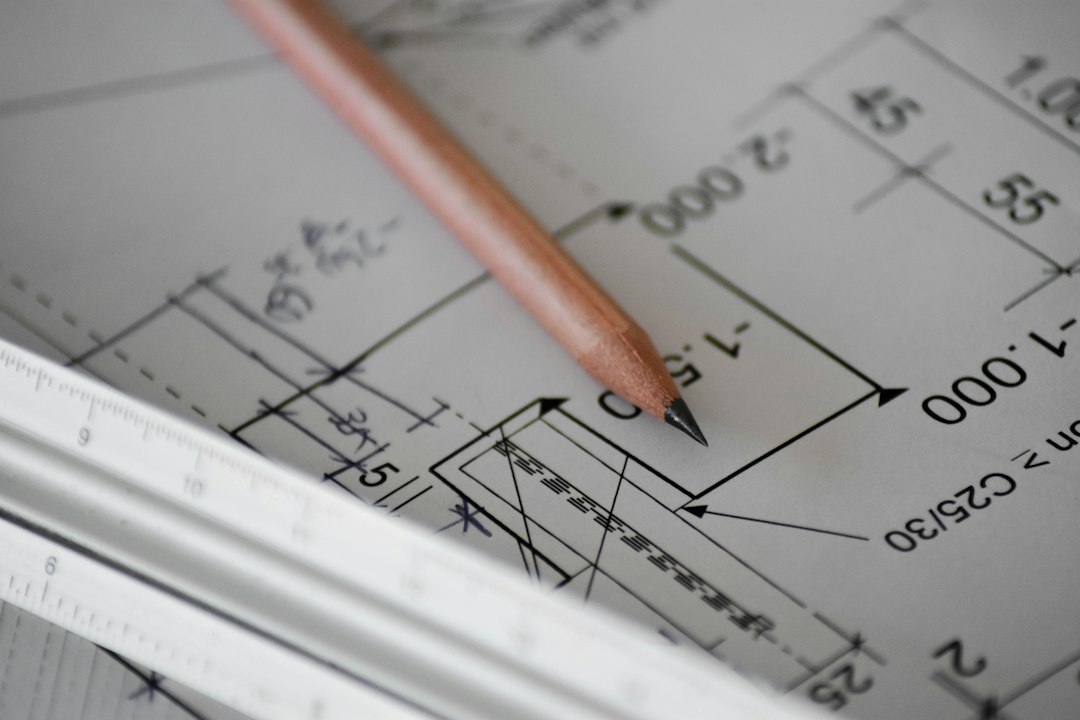
Design Bid Build: 7 Controls for Traditional Construction Delivery
Design bid build is a construction delivery method in which the owner contracts separately with the design professional and construction contractor. The project typically moves from completed design to competitive bidding and then construction. It can make bid comparisons straightforward when the drawings and specifications are mature, but missing details can create requests for information and change orders.
This guide explains seven decisions that make design bid build easier to manage, including procurement, scope development, commercial controls, communication, and closeout. The examples are illustrative, not claims about a specific client’s project.
Agree on responsibilities, decision rights, price assumptions, and evidence at every handoff. A good delivery method cannot compensate for unclear scope or missing approvals.
When does design bid build make sense?
Owners should begin by asking how certain they are about scope and design, how soon construction expertise is needed, and which risks they can manage. The best route may differ between a repeatable office fit-out and a treatment facility with difficult operating constraints.
Moreover, the contract structure matters just as much as the project label. The agreement should make the parties’ responsibilities, review stages, and payment rules understandable to the people who will administer them.
1. Write the owner’s requirements before design
The owner should identify intended use, capacity, performance targets, budget, desired completion, and site constraints. A clear brief prevents the architect from making hidden assumptions about operational priorities.
Example: For a medical office renovation, requirements may include patient privacy, business-hours access, and the location of specialist equipment. A general request to improve the building does not give bidders enough information.
Documents and decisions to retain
Keep the relevant drawings, contract clauses, correspondence, estimates, and meeting decisions tied to a unique project reference. Also record who approved the decision and when it took effect. If a choice affects cost or schedule, identify the previous approved baseline so staff can explain the difference.
How to test the project workflow
Ask a project manager to locate the latest version without searching multiple private inboxes. Next, have a second reviewer trace the decision from its initial request through approval and any change in cost. The process should make it clear which action comes next and who owns it. Otherwise, even an accurate document may fail to reach the person who needs it.
In addition, discuss the consequences of a late change at this stage. The team should distinguish ordinary coordination from an instruction that changes the contract. A written exception path helps prevent disputes while keeping work moving.
2. Complete coordinated drawings and specifications
Design disciplines should resolve conflicts between architectural, structural, mechanical, electrical, and plumbing work before bids. Record drawing revisions and approvals in one register.
Example: If an air duct clashes with a structural beam, resolving the clash during design generally allows bidders to price the same solution. Discovering it on site can prompt delay and change requests.
Documents and decisions to retain
Keep the relevant drawings, contract clauses, correspondence, estimates, and meeting decisions tied to a unique project reference. Also record who approved the decision and when it took effect. If a choice affects cost or schedule, identify the previous approved baseline so staff can explain the difference.
How to test the project workflow
Ask a project manager to locate the latest version without searching multiple private inboxes. Next, have a second reviewer trace the decision from its initial request through approval and any change in cost. The process should make it clear which action comes next and who owns it. Otherwise, even an accurate document may fail to reach the person who needs it.
In addition, discuss the consequences of a late change at this stage. The team should distinguish ordinary coordination from an instruction that changes the contract. A written exception path helps prevent disputes while keeping work moving.
3. Issue a comparable bid package
The invitation should define scope, drawings, schedules, alternates, allowances, bid forms, deadlines, site visits, and how questions are answered. Share clarifications with all invited bidders.
Example: A roofing specification that leaves disposal costs undefined may produce a deceptively low bid. Ask all bidders to quote the same treatment and pricing basis.
Documents and decisions to retain
Keep the relevant drawings, contract clauses, correspondence, estimates, and meeting decisions tied to a unique project reference. Also record who approved the decision and when it took effect. If a choice affects cost or schedule, identify the previous approved baseline so staff can explain the difference.
How to test the project workflow
Ask a project manager to locate the latest version without searching multiple private inboxes. Next, have a second reviewer trace the decision from its initial request through approval and any change in cost. The process should make it clear which action comes next and who owns it. Otherwise, even an accurate document may fail to reach the person who needs it.
In addition, discuss the consequences of a late change at this stage. The team should distinguish ordinary coordination from an instruction that changes the contract. A written exception path helps prevent disputes while keeping work moving.
4. Evaluate more than the lowest number
Check responsiveness, exclusions, safety and quality capability, relevant project history, subcontractor plans, and schedule feasibility alongside price. Record why the owner selected a contractor.
Example: A contractor may quote less but omit temporary weather protection. The evaluation should normalize that exclusion before comparing offers.
Documents and decisions to retain
Keep the relevant drawings, contract clauses, correspondence, estimates, and meeting decisions tied to a unique project reference. Also record who approved the decision and when it took effect. If a choice affects cost or schedule, identify the previous approved baseline so staff can explain the difference.
How to test the project workflow
Ask a project manager to locate the latest version without searching multiple private inboxes. Next, have a second reviewer trace the decision from its initial request through approval and any change in cost. The process should make it clear which action comes next and who owns it. Otherwise, even an accurate document may fail to reach the person who needs it.
In addition, discuss the consequences of a late change at this stage. The team should distinguish ordinary coordination from an instruction that changes the contract. A written exception path helps prevent disputes while keeping work moving.
5. Manage requests for information and submittals
During construction the contractor needs a clear path to ask design questions and submit materials or shop drawings. The owner, architect, and contractor should track deadlines and decisions.
Example: If the specified door model becomes unavailable, an alternate requires review for performance, fire rating, accessibility, lead time, and contract impact.
Documents and decisions to retain
Keep the relevant drawings, contract clauses, correspondence, estimates, and meeting decisions tied to a unique project reference. Also record who approved the decision and when it took effect. If a choice affects cost or schedule, identify the previous approved baseline so staff can explain the difference.
How to test the project workflow
Ask a project manager to locate the latest version without searching multiple private inboxes. Next, have a second reviewer trace the decision from its initial request through approval and any change in cost. The process should make it clear which action comes next and who owns it. Otherwise, even an accurate document may fail to reach the person who needs it.
In addition, discuss the consequences of a late change at this stage. The team should distinguish ordinary coordination from an instruction that changes the contract. A written exception path helps prevent disputes while keeping work moving.
6. Authorize changes before work proceeds
Separate clarification from changes that alter scope, time, or compensation. Route proposed adjustments through documented review and approval rules.
Example: An owner may request another electrical circuit after construction begins. The team should capture labor, materials, effects on related trades, and schedule impact before approval.
Documents and decisions to retain
Keep the relevant drawings, contract clauses, correspondence, estimates, and meeting decisions tied to a unique project reference. Also record who approved the decision and when it took effect. If a choice affects cost or schedule, identify the previous approved baseline so staff can explain the difference.
How to test the project workflow
Ask a project manager to locate the latest version without searching multiple private inboxes. Next, have a second reviewer trace the decision from its initial request through approval and any change in cost. The process should make it clear which action comes next and who owns it. Otherwise, even an accurate document may fail to reach the person who needs it.
In addition, discuss the consequences of a late change at this stage. The team should distinguish ordinary coordination from an instruction that changes the contract. A written exception path helps prevent disputes while keeping work moving.
7. Close the project with usable evidence
Track inspections, punch lists, warranties, operating manuals, final drawings, commissioning, and payment closeout. A building is not operationally complete merely because crews have left.
Example: A facility manager needs the exact equipment manuals and warranty start dates to maintain HVAC systems after handover.
Documents and decisions to retain
Keep the relevant drawings, contract clauses, correspondence, estimates, and meeting decisions tied to a unique project reference. Also record who approved the decision and when it took effect. If a choice affects cost or schedule, identify the previous approved baseline so staff can explain the difference.
How to test the project workflow
Ask a project manager to locate the latest version without searching multiple private inboxes. Next, have a second reviewer trace the decision from its initial request through approval and any change in cost. The process should make it clear which action comes next and who owns it. Otherwise, even an accurate document may fail to reach the person who needs it.
In addition, discuss the consequences of a late change at this stage. The team should distinguish ordinary coordination from an instruction that changes the contract. A written exception path helps prevent disputes while keeping work moving.
Choosing the delivery approach
In practice, the owner’s experience, the market’s capacity, the complexity of the site, and the available design information will influence the choice. Design bid build normally places a completed design before construction bidding. By contrast, progressive design build brings construction expertise into development earlier and generally includes a later commercial agreement for construction. Neither method guarantees a lower price or faster delivery.
The relevant professional institute offers background on contract and delivery practice. The second construction industry reference provides another perspective on project delivery choices. Owners should confirm local procurement law, public-sector obligations, insurance, and contract terms with the appropriate professionals.
Teams can also benefit from a shared software register for scope, approvals, schedule revisions, risks, and cost changes. Anomoz’s article about related construction project controls explains why consistent records matter.
Practical implementation checklist
- Define project purpose, operating constraints, budget, and target dates.
- Choose decision-makers and document their authority.
- Agree on design reviews, cost information, and revision control.
- Set rules for requests, clarifications, changes, and approvals.
- Track schedule assumptions and important dependencies.
- Review risks before contract commitments.
- Keep a single register of issues, decisions, and current documents.
- Verify closeout evidence and operational handover.
Common mistakes to avoid
One common mistake is treating a tentative estimate as a firm commitment without documenting its assumptions. Another is relying on verbal approvals when a change affects several disciplines. Also, teams can misread a status report when it reflects an outdated drawing or contract version.
Instead, give each decision a named owner and a documented date. Keep financial values linked to their source and include the effect on schedule and operations where appropriate. Regular reviews should focus on unresolved decisions, not only the amount of work completed.
Frequently Asked Questions
Does design bid build guarantee lower costs?
No. Cost outcomes depend on scope, market conditions, risk allocation, contract management, and the quality of information available.
What records should project software retain?
Keep current contract documents, revision history, approvals, requests for information, decisions, schedule updates, and supporting cost evidence.
Who should approve project changes?
The contract should identify authorized roles and any monetary or schedule limits. Staff should not assume a verbal request is formal approval.
How can teams reduce handoff disputes?
Use consistent records, defined response times, a named decision owner, and a clear process for escalating unresolved questions.
Conclusion
Design bid build works best when owners, designers, contractors, and project managers understand who decides what and when. Use these seven decisions to review procurement, contract controls, execution, and handover before problems become expensive.



