
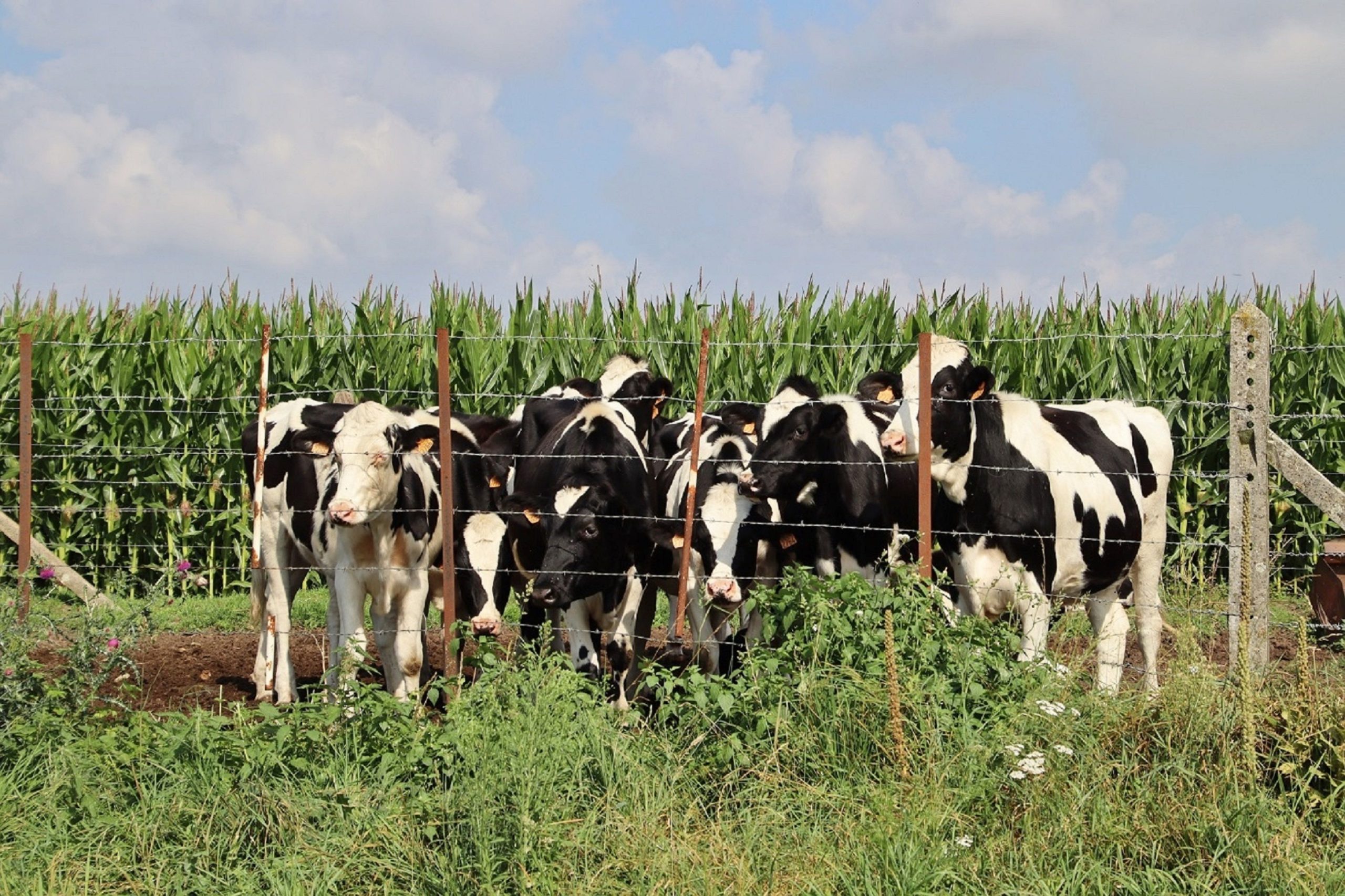
Dairy Cow Management Software: 9 Features for Smarter Herd Management
What Is Dairy Cow Management Software?
Dairy cow management software is a digital system that helps dairy farmers track cows, milk production, breeding, health, feeding, treatments, tasks, and farm records in one place. Instead of relying on notebooks, spreadsheets, or disconnected systems, farmers can use one platform to organize daily herd management and turn farm data into useful decisions.
For a modern dairy operation, accurate records matter because managers need to understand what is happening with individual cows as well as the herd. The Merck Veterinary Manual’s guidance on dairy cattle health and production management highlights the importance of recording information such as milk yield, reproduction, disease events, treatments, and herd performance.
In this guide, we will look at the key features of dairy cow management software, how it supports everyday farm work, what to consider when comparing the best dairy management software, and when a custom solution may make sense.
Why Dairy Farms Need Management Software
Managing a few cows with handwritten notes may seem simple. However, as the herd grows, the amount of information grows with it. Farmers may need to monitor lactation stages, breeding dates, calving schedules, vaccination records, treatments, milk yields, feed usage, and animal health.
Without a central system, important information can become difficult to find. A missed breeding date or treatment record can also affect later decisions.
Dairy cow management software creates a central record for each animal. As a result, farm managers can move from reactive recordkeeping to more organised daily management.
For example, instead of searching through several notebooks to find out why a cow’s milk production changed, a manager can review her production history, health records, breeding information, and recent events from one profile.
The main value of dairy management software is not simply storing information. It is making the right information easier to access when farmers need to act.
9 Key Features of Dairy Cow Management Software
1. Individual Cow Records
Every cow should have a clear digital profile. The system can store identification details, breed information, birth date, lactation history, breeding events, calving dates, health records, and other relevant information.
This creates a complete history for each animal. Therefore, staff can quickly understand an individual cow without relying on memory or scattered paper records.
Individual records also help farmers compare current performance with previous cycles. That makes it easier to spot changes that deserve attention.
2. Milk Production Tracking
Milk production is one of the most important areas to monitor on a dairy farm. Software can record milk yield by cow, date, lactation, or herd group, depending on the system.
Modern systems may also connect with milking equipment or other farm technologies. When data flows automatically into the management platform, staff spend less time entering records manually.
Accurate milk records can support production reviews and management decisions. USDA research also notes that accurate lactation records form an important foundation for dairy herd management and genetic improvement.
Farm managers can use USDA research on accurate dairy lactation records to understand why reliable milk yield data matters when evaluating herd performance.
3. Breeding and Reproductive Management
Breeding management involves many dates and follow-up tasks. Dairy software can help track heat detection, artificial insemination, pregnancy checks, expected calving dates, and reproductive history.
For example, the system can create a list of cows that need pregnancy checks or identify animals approaching a planned breeding window.
Consequently, staff can organise reproductive work around scheduled actions instead of depending on memory.
Reproductive records can also help farmers review patterns over time. If several animals experience repeated breeding issues, historical records give the farm team more information to discuss with a veterinarian or reproductive specialist.
4. Cow Health and Treatment Records
Health management requires timely and accurate records. A dairy cow management system can document illnesses, symptoms, treatments, medications, veterinary visits, recovery notes, and follow-up tasks.
This information becomes especially important when a cow receives treatment that affects milk or meat withdrawal requirements. The Merck Veterinary Manual recommends recording treatments administered to dairy cattle so farms can follow appropriate withdrawal periods.
Software can make these records easier to retrieve. For instance, a worker can open an animal’s profile before treatment, add the event, and schedule the next required action.
Software can improve recordkeeping, but it does not replace veterinary advice. Health problems, treatment decisions, and medication use should follow appropriate veterinary guidance and local requirements.
5. Feed and Nutrition Management
Feed represents a major part of everyday dairy operations. Management software can help record feed plans, rations, feed usage, and related tasks, depending on the platform.
For example, managers may organise cows into groups based on production stage or nutritional needs. They can then keep relevant feeding information with the group’s operational records.
Better organisation also makes it easier to connect feed-related observations with production and health records. If milk production changes, managers can review several factors instead of looking at production data alone.
6. Calving and Lactation Tracking
Calving creates several important management tasks. A software system can track expected calving dates, actual calving events, lactation stages, dry-off schedules, and post-calving observations.
These records help staff prepare for upcoming events. Moreover, they provide useful historical context for future breeding and herd management decisions.
A digital calendar or alert system can also highlight cows that require attention. That is particularly useful when several animals reach different stages of their production cycles at the same time.
7. Inventory and Supply Management
Dairy farms manage more than cows and milk. They also use feed, medicines, cleaning supplies, equipment, spare parts, and other materials.
Inventory features can help track stock levels, purchases, usage, and reorder needs. For example, a farm could monitor medicine quantities separately from feed supplies.
For farms that want to understand how inventory systems work more broadly, Anomoz’s inventory management software features article covers tools for organising stock and operational inventory.
Similarly, best inventory management software can provide broader context for evaluating inventory workflows, although dairy-specific requirements should remain the priority.
8. Tasks, Alerts, and Workflow Automation
Dairy operations involve recurring tasks. Staff may need to check animals, administer scheduled treatments, monitor breeding events, prepare feed, inspect equipment, or complete other farm duties.
Task management features can turn these responsibilities into scheduled actions. Alerts can then remind staff about important dates and activities.
For example, instead of keeping a separate list of cows due for a pregnancy check, the software can generate an action list based on recorded breeding events.
This approach supports consistency because employees can see what needs attention and when. For broader context on organising digital processes, see Anomoz’s workflow management software guide.
9. Reporting and Herd Analytics
Good dairy software should do more than store records. It should help turn those records into reports that farmers can understand and use.
Reports may cover milk production, reproductive performance, animal health, treatment history, herd changes, or other farm-specific measures.
For example, a manager might review milk production trends and then examine health or reproductive records for animals that show unusual changes.
Reliable reporting also supports discussions with veterinarians, nutritionists, consultants, and farm managers. The goal is not to collect the largest amount of data. Instead, the goal is to collect useful data and make it actionable.
What Are the Benefits of Dairy Cow Management Software?
Farm staff can access cow, herd, health, breeding, and production information from a central system instead of searching across multiple records.
Relevant information becomes easier to find, helping managers respond to scheduled events and changes in animal performance.
Alerts, calendars, and action lists help staff coordinate recurring activities and important animal-care events.
Digital forms and standard workflows can reduce reliance on scattered handwritten notes and make records easier to review.
Managers can examine individual cows and herd-level trends together, giving them a clearer view of production and operational performance.
How to Choose the Best Dairy Management Software
The best dairy management software depends on the size of the farm, its management practices, existing technology, and the information managers actually need.
Instead of choosing software based only on the number of features, evaluate how well each feature fits your daily workflow.
| Evaluation area | What to check |
|---|---|
| Cow records | Can you create detailed individual animal profiles? |
| Milk tracking | Can the system record and analyse production data? |
| Breeding | Can you track breeding, pregnancy, and calving events? |
| Health | Can staff record treatments, illnesses, and veterinary events? |
| Inventory | Can you manage feed, medicines, and other farm supplies? |
| Automation | Can the system create reminders, alerts, and recurring tasks? |
| Reporting | Can managers generate useful herd and production reports? |
| Integrations | Can the platform connect with existing farm equipment or systems? |
| Usability | Can farm workers use it quickly during everyday operations? |
In addition, check how the software handles data export, user permissions, backups, mobile access, support, and pricing. A platform may offer many features but still create problems if staff find it difficult to use.
Cloud-Based vs. On-Farm Dairy Software
Dairy management systems can use different deployment models. Cloud-based software stores and processes information through online infrastructure, while some on-farm systems may keep more data within local equipment or computers.
Cloud software can make information easier to access across authorised devices. However, reliable internet access becomes more important.
On the other hand, a local system may suit farms that prefer greater control over their on-site infrastructure. The right choice depends on the farm’s connectivity, security requirements, equipment, budget, and operational preferences.
When Does Custom Dairy Software Make Sense?
Off-the-shelf dairy software can work well when a farm’s processes match the platform’s design. However, some dairy businesses operate with unique workflows that standard products cannot handle efficiently.
For example, a larger operation may need one system that connects animal records, inventory, staff tasks, supplier information, reporting, and customer or buyer management.
In such cases, custom software can provide a more tailored workflow. A development team can design screens, permissions, automation, reports, and integrations around the farm’s actual processes.
However, custom development also requires more planning, testing, maintenance, and investment. Therefore, farms should first identify the problems they need to solve before deciding whether a custom platform offers enough value.
When the project includes customer, supplier, or relationship management alongside farm operations, custom CRM development can also become part of a broader software strategy.
Common Mistakes When Choosing Dairy Management Software
Choosing Too Many Features
More features do not automatically mean better software. A complex platform can slow down adoption if workers only need a smaller set of tools.
Ignoring Mobile Usability
Dairy work does not always happen behind a desk. Staff may need to enter or review information while working around animals or equipment. Therefore, mobile usability can matter greatly.
Failing to Check Integrations
If a farm already uses milking equipment, identification systems, accounting tools, or other digital systems, compatibility should be checked before purchasing software.
Not Planning Data Migration
Existing records have value. Before switching systems, determine how historical cow records, production information, breeding data, and other important records will move into the new platform.
Overlooking Staff Training
Even useful software can fail when employees do not understand how to use it. Therefore, include training and onboarding in the implementation plan.
How to Implement Dairy Cow Management Software
- Define your goals: Identify the main problems you want the software to solve, such as scattered records, missed tasks, or limited reporting.
- Map current workflows: Document how staff currently handle animal records, breeding, health, milk production, inventory, and daily tasks.
- Select essential features: Separate must-have features from optional tools.
- Prepare your data: Clean existing records before importing them into the new platform.
- Train your team: Give employees practical training based on their actual responsibilities.
- Start with core workflows: Introduce the most important features first rather than changing every process at once.
- Review results: After implementation, check whether staff use the system consistently and whether reports support better decisions.
As a result, implementation becomes a business process rather than simply a software installation.
Before buying software, write down five daily tasks that currently take too much time or depend on manual records. Use those tasks as your practical test during software demos.
Frequently Asked Questions
Frequently Asked Questions
What does dairy cow management software do?
It helps dairy farms manage cow records, milk production, breeding, health, treatments, feeding, calving, inventory, tasks, and reports from a central digital system.
What features should the best dairy management software include?
Important features include individual cow records, milk tracking, breeding management, health records, calving schedules, inventory management, task automation, reporting, and useful integrations.
Can dairy management software track milk production?
Yes. Many dairy management platforms can record milk production by cow or herd and use those records for production analysis and reporting. Some can also integrate with compatible milking systems.
Can dairy software manage cow health records?
Yes. Depending on the platform, farmers can record illnesses, treatments, veterinary visits, medications, and follow-up activities for individual animals.
Is custom dairy cow management software worth considering?
Custom software can make sense when a farm has unique workflows, complex integrations, or requirements that existing platforms cannot handle effectively. However, the added development and maintenance costs should form part of the decision.
Final Thoughts
Dairy cow management software can bring animal records, production data, breeding schedules, health information, inventory, tasks, and reporting into one organised system. More importantly, it can help farm teams find useful information when they need it.
When comparing the best dairy management software, focus on practical fit rather than feature count alone. Check usability, mobile access, reporting, integrations, data handling, staff training, and long-term support.
For farms with specialised workflows, custom software may provide another option. The right solution should ultimately make daily management clearer, more consistent, and easier to scale without creating unnecessary complexity.
Build software around how your farm works
If standard dairy management tools do not match your workflows, a tailored software solution can bring your key operations into one connected platform.