
General

Theater Production Software: 10 Checks for Calls, Crews, and Resources
Choosing theater production software means choosing how your team coordinates people, spaces, equipment, reports, and changing schedules. A useful platform should show which version of the plan is current and what each department needs to do next. It should also distinguish a proposed call from a published commitment. This article explains ten buying checks, a […]

Student Housing Management Software: 10 Checks for Beds, Leases, and Turns
Choosing student housing management software starts with the bed, the resident, and the dates of their agreement. A useful system should distinguish an available bed from an occupied room, a pending application from an active agreement, and a departing resident from a space ready for the next arrival. Those distinctions matter most during busy turnover […]

Apprenticeship Software: 10 Checks from Enrolment to Evidence Review
Choosing apprenticeship software means choosing how a provider connects enrolment, learning, workplace support, evidence, and progress review. A good system gives learners, coaches, employers, and administrators a clear view of their next action. It should also preserve the evidence behind a status rather than reducing the programme to a completion percentage. This article covers ten […]

Distillery Management Software: 10 Checks for Batch, Stock, and Cost Records
Choosing distillery management software means choosing how your business connects materials, batches, vessels, finished goods, and costs. A useful system lets staff trace where a recorded quantity came from and where it went. It should also preserve the difference between planned work, completed transactions, and reviewed reporting. This article explains ten buying checks, a fictional […]
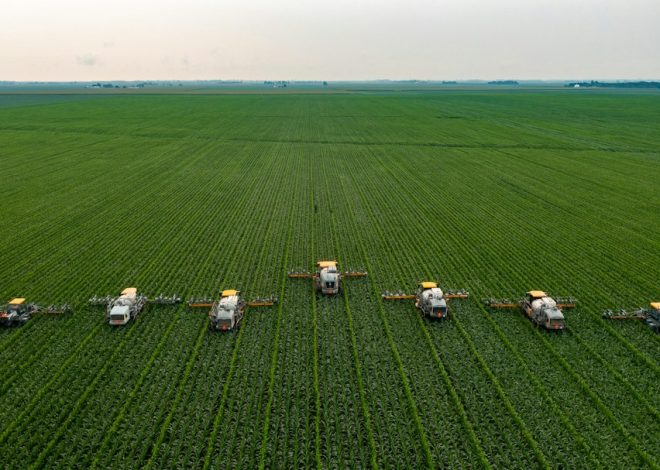
Crop Scouting Software: 10 Checks for Useful Field-to-Grower Reports
Choosing crop scouting software means choosing how scouts capture observations and turn them into useful field reports. A good system keeps the location, date, method, crop context, and evidence together. It should also distinguish what a scout observed from a diagnosis, recommendation, or completed action. This article explains ten selection checks, a worked follow-up example, […]

Vineyard Management Software: 9 Checks from Block Records to Harvest
Choosing vineyard management software starts with the vineyard block, not the finished bottle. The system should connect each block’s identity, observations, work, costs, and harvested fruit. That gives growers and managers a usable history for planning the season and handing fruit information to the winery. This article explains nine selection checks, a sample harvest handoff, […]

Roof Pitch Calculator: Rise, Run, Angles, and Slope Multipliers
A roof pitch calculator converts rise and horizontal run into a slope ratio, angle, or roof area multiplier. In common roofing use, a 6:12 slope means the roof rises 6 units for every 12 units of horizontal run. To calculate the rise per 12, divide rise by run using matching units, then multiply by 12. […]

Roofing Squares Calculator: Area, Slope, Bundles, and Order Checks
A roofing squares calculator converts roof surface area into the roofing unit called a square. One roofing square equals 100 square feet, so squares = roof surface area ÷ 100. If you only know horizontal projected area, account for slope before converting. If you already measured the sloped surface, do not apply a slope multiplier […]

Paint Coverage Calculator: Walls, Coats, Gallons, and a Room Example
A paint coverage calculator estimates paint quantity from the surface area, number of coats, and the coverage stated for the selected product. The core formula is paint volume = net area × coats ÷ coverage per container. Keep walls, ceilings, trim, and primer separate when they use different products or coverage rates. This guide includes […]
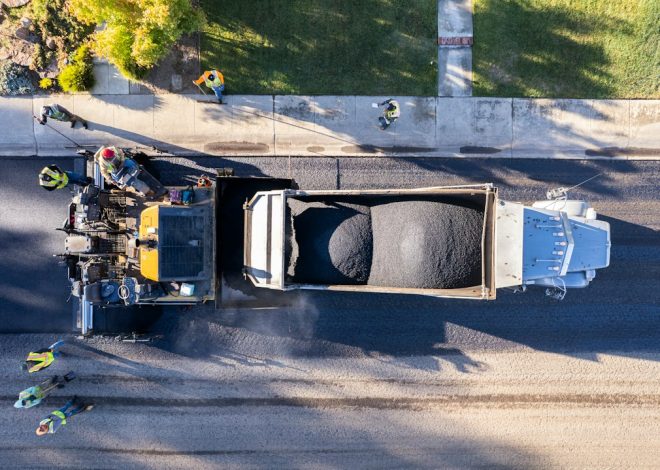
Asphalt Tonnage Calculator: Formulas, Depth Tables, and Order Checks
An asphalt tonnage calculator estimates the weight of asphalt mix needed for an area at a specified thickness. With length and width in feet, thickness in inches, and density in pounds per cubic foot, US short tons equal length × width × thickness × density ÷ 24,000. Use a suitable mix density and confirm whether […]