
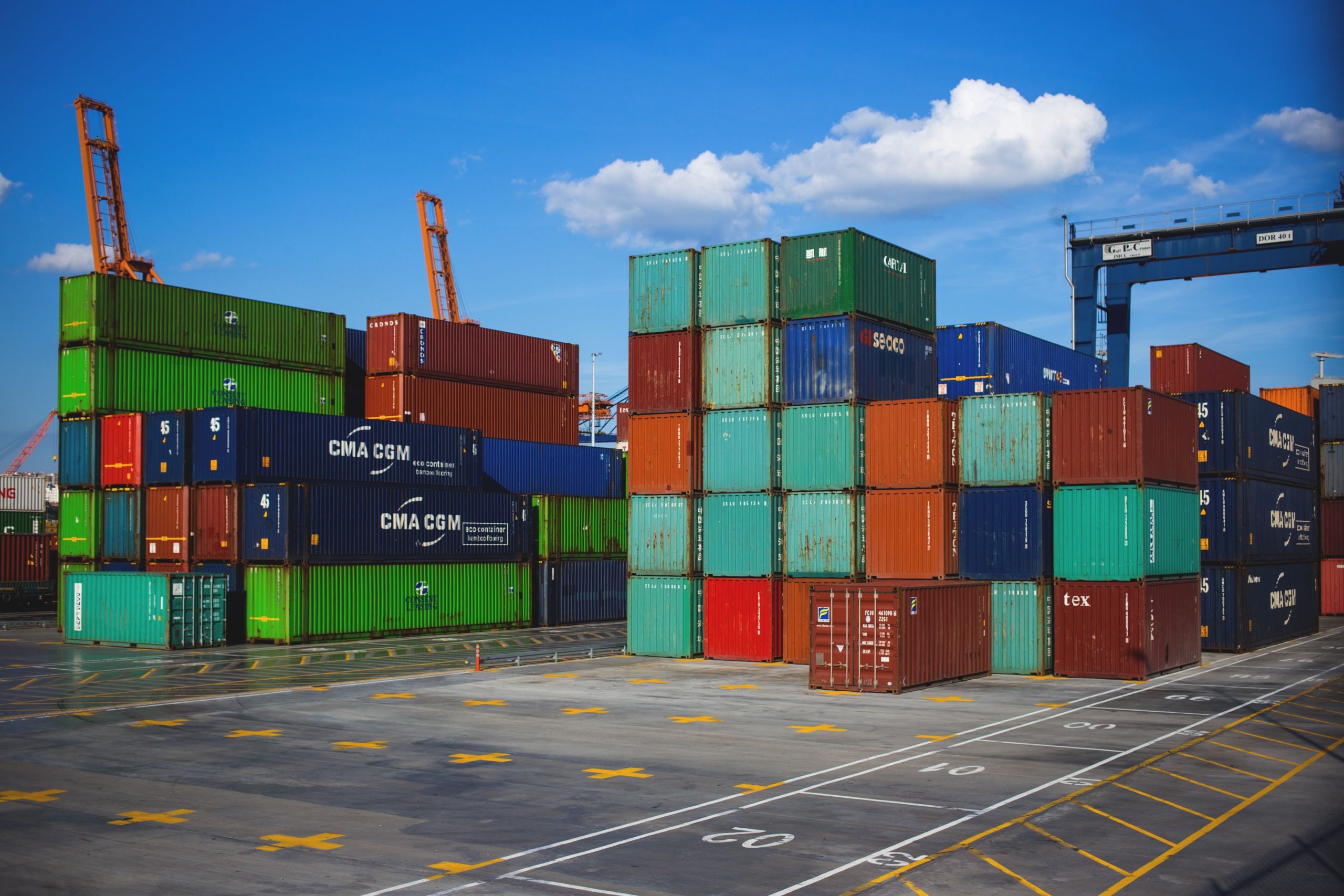
Best Supply Chain Software: Transforming Supply Chain Management
In today’s globalized economy, effective supply chain management is a critical factor for business success. Companies that can efficiently manage their supply chains stand to reduce costs, improve customer satisfaction, and gain a competitive edge. Selecting the best supply chain software is essential to achieving these goals.
This comprehensive guide explores the top supply chain software solutions, their key features, and how businesses can leverage technology to optimize supply chain operations. We will also discuss how integrating supply chain software with custom CRM development can further enhance business performance.
Why Supply Chain Software Is Vital for Modern Businesses
Supply chains today are complex networks involving suppliers, manufacturers, warehouses, transportation providers, and customers. Managing these interconnected elements manually or with outdated systems can lead to inefficiencies, delays, and increased costs.
The best software for supply chain management brings automation, visibility, and control to every aspect of the supply chain. Benefits include:
- Enhanced Visibility: Real-time tracking of inventory, shipments, and orders across the entire supply chain.
- Improved Efficiency: Automation of procurement, production, and logistics processes reduces manual errors.
- Cost Reduction: Optimization of inventory levels, transportation routes, and supplier selection minimizes expenses.
- Risk Management: Early identification of potential disruptions helps businesses respond proactively.
- Better Collaboration: Streamlined communication among stakeholders ensures alignment and faster decision-making.
- Data-Driven Insights: Advanced analytics provide actionable intelligence to fine-tune strategies.
For businesses of all sizes, adopting the right supply chain software is a game-changer.
Key Features to Look for in the Best Supply Chain Software
When choosing supply chain management software, consider these critical features:
- Inventory Management: Track stock levels, automate replenishment, and avoid stockouts or overstocking.
- Order Management: Manage order processing, fulfillment, and returns efficiently.
- Supplier and Vendor Management: Maintain supplier data, evaluate performance, and facilitate communication.
- Demand Forecasting: Use historical data and market trends to predict future demand accurately.
- Logistics and Transportation Management: Optimize shipping routes, manage carriers, and track deliveries.
- Warehouse Management: Streamline warehouse operations including picking, packing, and shipping.
- Integration Capabilities: Seamlessly connect with ERP, accounting, CRM, and other business systems.
- Automation: Automate routine tasks such as purchase orders, invoicing, and notifications.
- Analytics and Reporting: Generate detailed reports on supply chain performance metrics.
- User-Friendly Interface: Ensure the system is easy to navigate and accessible across devices.
- Scalability: The software should grow with your business needs.
You can also have a look at The Best HR Software: Transforming Human Resource Management for Small Businesses
Top 7 Best Supply Chain Software Solutions
The market offers various supply chain software solutions tailored to different industries and business sizes. Here are some of the best supply chain software options:
1. SAP Integrated Business Planning (IBP)
SAP IBP is a leading cloud-based solution offering comprehensive supply chain planning capabilities, including demand planning, inventory optimization, and supply planning.
- Pros: Advanced forecasting, robust analytics, global scalability
- Cons: Complex setup, higher cost
2. Oracle SCM Cloud
Oracle SCM Cloud provides a full suite of supply chain modules with real-time visibility and AI-driven insights to optimize operations.
- Pros: Comprehensive features, strong AI integration, flexible deployment
- Cons: Can be expensive for small businesses
3. Manhattan Associates Supply Chain
Manhattan Associates offers specialized warehouse and transportation management solutions with strong inventory control features.
- Pros: Best-in-class warehouse management, strong logistics tools
- Cons: Implementation can be complex
4. Infor Supply Chain
Infor’s supply chain software focuses on end-to-end visibility, demand management, and supplier collaboration, suitable for mid-sized to large enterprises.
- Pros: User-friendly interface, good integration options
- Cons: Some modules require additional costs
5. Kinaxis RapidResponse
Kinaxis RapidResponse is designed for real-time supply chain planning and risk management, favored for its agility and speed.
- Pros: Real-time analytics, scenario planning, risk mitigation
- Cons: Steeper learning curve
6. E2open
E2open integrates multiple supply chain processes including demand sensing, supply planning, and logistics in a unified platform.
- Pros: End-to-end visibility, strong collaboration tools
- Cons: Pricey for smaller companies
7. NetSuite Supply Chain Management
NetSuite offers cloud-based supply chain management integrated with its ERP solution, ideal for growing businesses and mid-sized companies.
- Pros: Seamless ERP integration, scalable, good for small to medium businesses
- Cons: Limited advanced features compared to larger platforms
You can also have a look at Best Procurement Software
How Small and Medium Businesses Benefit from the Best Supply Chain Software
Small and medium-sized enterprises (SMEs) often face challenges such as limited resources, complex supplier relationships, and fluctuating demand. The best software for supply chain management can help SMEs by:
- Automating manual processes to save time and reduce errors
- Providing real-time inventory and order visibility
- Enhancing supplier collaboration for better negotiation and performance
- Offering scalable solutions that support business growth without heavy upfront investment
- Improving customer satisfaction through reliable order fulfillment
Platforms like NetSuite and Infor offer tailored solutions that cater specifically to the needs of SMEs, balancing functionality and affordability.
The Impact of Custom CRM Development on Supply Chain Management
Supply chain management doesn’t operate in isolation. It intersects with sales, customer service, and overall business strategy. Integrating supply chain software with a customized CRM system creates a unified platform that enhances operational efficiency.
Custom CRM development allows businesses to build tailored CRM solutions that incorporate supply chain workflows or integrate seamlessly with existing supply chain software. This integration provides:
- A centralized view of customer orders linked directly to supply chain activities
- Automation of order processing and fulfillment aligned with customer data
- Enhanced collaboration between sales, procurement, and logistics teams
- Custom reporting combining supply chain and customer insights for better decision-making
By bridging the gap between customer relationship management and supply chain operations, businesses can achieve smoother workflows, improved communication, and superior customer experiences.
How to Choose the Best Supply Chain Software for Your Business
Selecting the right supply chain software requires a thorough evaluation process:
- Assess Your Business Needs: Understand your current supply chain challenges and future goals.
- Evaluate Software Features: Match software capabilities with your specific requirements.
- Consider Ease of Use: The system should be user-friendly to encourage adoption.
- Check Integration Options: Ensure compatibility with your ERP, CRM, and other existing systems.
- Request Demos and Trials: Hands-on experience helps uncover usability and functionality.
- Review Vendor Support: Reliable customer service and training resources are essential.
- Analyze Pricing Models: Understand subscription fees, implementation costs, and potential hidden charges.
- Scalability: Choose software that can grow alongside your business.
Emerging Trends in Supply Chain Software
The supply chain industry continues to evolve rapidly, driven by technological innovation:
- Artificial Intelligence and Machine Learning: These technologies enhance demand forecasting, predictive maintenance, and risk management.
- Internet of Things (IoT): IoT devices provide real-time tracking of goods and assets throughout the supply chain.
- Blockchain Technology: Offers enhanced transparency and security in transactions and traceability.
- Cloud Computing: Enables flexible, scalable, and cost-effective supply chain software solutions.
- Sustainability Initiatives: Software now includes features to monitor and reduce environmental impact.
You can also have a look at Best Asset Management Software
Conclusion: Unlocking Supply Chain Excellence with the Best Software
Investing in the best supply chain software is crucial for businesses aiming to thrive in today’s competitive market. The right software streamlines operations, enhances collaboration, reduces costs, and improves customer satisfaction.
Whether you are a large enterprise looking for advanced solutions like SAP IBP or Oracle SCM Cloud or a growing business seeking scalable platforms like NetSuite, the options are diverse and powerful.
Integrating supply chain management with custom CRM development can further boost efficiency and create a seamless workflow between customer management and supply chain operations.
For businesses ready to optimize their supply chain and customer relationship processes, exploring custom CRM solutions alongside top-tier supply chain software is a strategic move towards sustainable growth and success.
Explore expert custom CRM development services to tailor solutions that fit your unique business needs.