
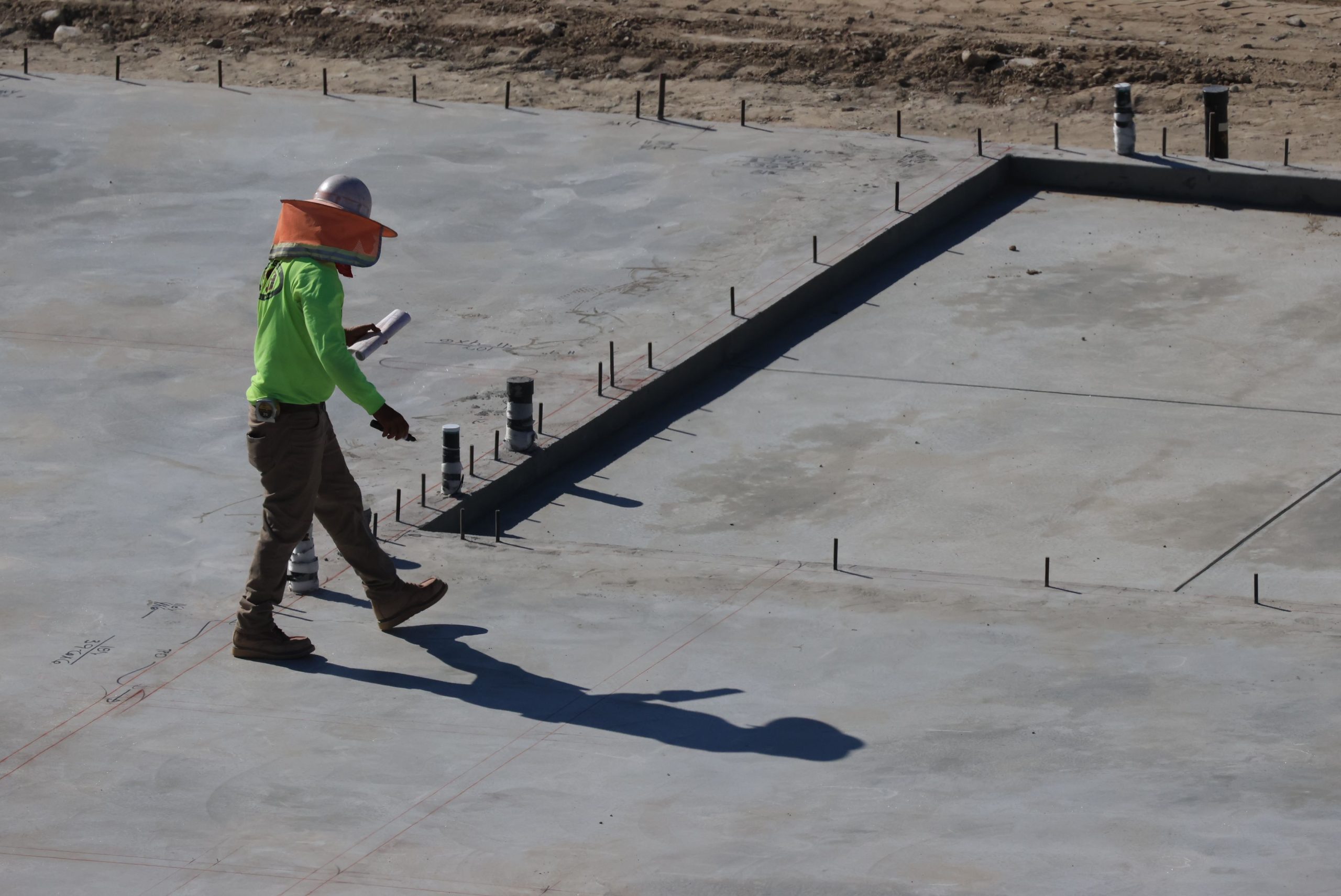
7 Concrete Slab Design Software Features That Improve Structural Design
Concrete slab design software helps structural engineers and construction teams analyze slab layouts, evaluate loads, plan reinforcement, and prepare design documentation with greater consistency. Instead of relying on disconnected spreadsheets and manual calculations, engineers can use slab design software to organize design inputs, run calculations, review results, and refine designs within a structured workflow.
However, software does not replace engineering judgment or applicable building codes. It provides tools that help professionals work through complex design tasks more efficiently and review their assumptions more systematically. In this guide, we will explore seven useful features, explain how slab design software works, compare common approaches, discuss selection factors, and highlight mistakes to avoid.
What Is Concrete Slab Design Software?
Concrete slab design software is an engineering application used to support the analysis and design of reinforced concrete slabs. Depending on the product, it may handle one-way slabs, two-way slabs, flat slabs, foundation slabs, or other structural concrete elements.
The software typically accepts information such as span dimensions, material properties, support conditions, loads, and reinforcement requirements. It then applies the selected design methods and produces calculations or design outputs that engineers can review.
For example, an engineer designing a floor slab may enter the slab dimensions, concrete strength, reinforcement grade, dead loads, live loads, and support conditions. The software can then help evaluate bending, shear, deflection, reinforcement requirements, and other relevant design checks.
Engineers should verify software inputs, assumptions, calculations, and outputs against the applicable building code and project requirements. Software results still require professional engineering review.
Why Use Slab Design Software?
Concrete slab design involves several connected decisions. A change in span, loading, thickness, material strength, or support condition can affect other parts of the design. Therefore, keeping calculations organized becomes increasingly important as projects become more complex.
Slab design software can help engineers manage these relationships within one workflow. Instead of repeatedly rebuilding calculations after every design change, users can update project inputs and review the resulting design checks.
In addition, structured software can make design documentation easier to organize. This becomes especially useful when engineers need to compare alternatives, review previous iterations, or communicate design information with other project participants.
For broader construction workflows, software can also connect design-related information with estimating, scheduling, project management, and field operations. For example, teams working on concrete projects can also explore concrete software features for estimating, scheduling, and job management.
7 Key Features of Concrete Slab Design Software
1. Load Input and Load Analysis
Load analysis provides the foundation for many slab design decisions. Software can give engineers a structured way to enter and organize relevant loads rather than managing each calculation in separate worksheets.
Depending on the application, users may work with dead loads, live loads, partition loads, finishes, equipment loads, or other project-specific loads. The software can then use these inputs in the required design combinations.
More importantly, a clear load input workflow makes assumptions easier to review. If a design changes because the expected occupancy or floor loading changes, the engineer can update the relevant input and reassess the design.
2. One-Way and Two-Way Slab Design
Different slab systems transfer loads in different ways. A one-way slab primarily transfers load across its shorter span, while a two-way slab distributes load in two directions.
Good slab design software should therefore support the slab systems relevant to the engineer’s work. The exact capabilities vary between products, so users should check whether the software supports the structural configurations they commonly design.
For instance, a residential project with relatively simple spans may require different design capabilities from a commercial building with multiple supports, larger spans, and more complex loading conditions.
3. Reinforcement Design and Detailing
Reinforcement helps concrete slabs resist tensile forces and control structural behavior. Slab design software can help determine reinforcement requirements based on the selected design method and project inputs.
Useful tools may include reinforcement calculations, bar sizing, spacing options, top and bottom reinforcement checks, and reinforcement detailing outputs. Some systems can also produce drawings or schedules, while others focus mainly on calculations.
Therefore, engineers should distinguish between software that performs structural calculations and software that also supports detailed drafting. These functions can overlap, but they are not always included in the same product.
4. Bending and Shear Checks
Bending and shear represent important parts of reinforced concrete slab design. A design may need to satisfy several strength and serviceability requirements before an engineer can approve the proposed configuration.
Software can automate repetitive calculations and present the resulting checks in a consistent format. This helps engineers identify areas that need attention when a slab does not meet a selected requirement.
For example, if a slab fails a particular check, the engineer may consider changes to slab thickness, reinforcement, span arrangement, or other design parameters. The software can then help evaluate the revised option.
5. Deflection and Serviceability Checks
Strength alone does not define a practical slab design. Engineers also need to consider serviceability, including deflection and other behavior that can affect how a structure performs during normal use.
Concrete slab design software can help organize serviceability calculations and provide results alongside strength checks. This gives engineers a more complete view of the proposed design.
However, users should understand exactly which serviceability checks a particular product performs. Some applications may offer more detailed analysis than others.
6. Code-Based Design Checks
Building codes provide requirements for structural concrete design, materials, detailing, loads, strength, serviceability, and other aspects of structural safety. The American Concrete Institute’s current ACI CODE-318-25 covers structural concrete design and construction requirements, including structural systems, strength, serviceability, durability, reinforcement, and related design provisions. Engineers can review the ACI 318 Building Code Portal for current information about the standard.
Consequently, code support should rank high when evaluating slab design software. The software should identify the design standard it supports and explain how users select relevant code parameters.
Code support also requires careful attention to updates. A program that supports an older standard may not automatically reflect the requirements of a newer edition. Therefore, engineers should confirm the applicable edition for each project.
7. Reports and Design Documentation
Design calculations are easier to review when software organizes inputs, assumptions, calculations, and results into clear reports. This can reduce the effort required to assemble design documentation manually.
A useful report should make it possible for a reviewer to understand what the engineer entered and how the software arrived at its results. Clear documentation also helps teams revisit a design later when project requirements change.
Some platforms also support calculation summaries, reinforcement schedules, drawings, or export functions. These capabilities can make collaboration easier, particularly when multiple people contribute to a project.
How Concrete Slab Design Software Works
Although products differ, most slab design workflows follow a similar sequence.
- Define the slab: Enter dimensions, span information, support conditions, and the type of slab being analyzed.
- Enter materials: Specify concrete properties, reinforcement grade, and other required material parameters.
- Define loads: Add applicable dead, live, and project-specific loads.
- Select design criteria: Choose the relevant design standard, units, load combinations, and other project parameters.
- Run the analysis: Allow the software to process the design inputs and generate the relevant structural checks.
- Review the results: Examine bending, shear, reinforcement, deflection, and other available checks.
- Refine the design: Adjust appropriate parameters and rerun the analysis when the results do not meet project requirements.
- Document the design: Generate calculation reports, schedules, or other project documentation where supported.
This workflow creates a repeatable process. More importantly, it keeps design decisions connected to the underlying assumptions instead of scattering them across multiple files.
Concrete Slab Design Software vs. Manual Calculations
Manual calculations still have an important role in structural engineering. They can help engineers understand design principles, perform quick checks, and independently verify software outputs.
However, software becomes useful when projects contain many variables or require repeated design iterations. The comparison below shows where each approach can fit.
| Area | Manual Calculations | Slab Design Software |
|---|---|---|
| Simple calculations | Practical for small checks | Fast and repeatable |
| Design iterations | May require repeated work | Inputs can be adjusted and recalculated |
| Documentation | Often requires manual formatting | May generate structured reports |
| Complex projects | Can become difficult to manage | Can organize larger sets of design inputs |
| Independent verification | Useful for checking results | Should still receive engineering review |
The two approaches do not need to compete. In practice, engineers can use software for repetitive analysis while applying manual calculations and engineering judgment as independent checks.
What to Look for When Choosing Slab Design Software
Not every product offers the same capabilities. Before choosing a platform, engineers should evaluate the software against their actual design workflow.
Check whether the software supports one-way, two-way, flat, foundation, or other slab systems that your projects require.
Confirm which standards and editions the software supports and whether the settings match your project requirements.
Look for practical controls for dimensions, materials, loads, supports, reinforcement, and other design variables.
Choose software that lets engineers review calculations and understand the assumptions behind the results.
Check whether the system can produce calculation reports, drawings, schedules, or export files required by your workflow.
A powerful application still needs a clear interface so engineers can enter data, review results, and make changes efficiently.
Common Mistakes When Using Concrete Slab Design Software
Software can reduce repetitive work, but it cannot correct incorrect assumptions automatically. Therefore, engineers should treat input validation as an essential part of the workflow.
Entering incorrect project data
Incorrect dimensions, material properties, support conditions, or loads can produce misleading results. Always review project inputs before relying on the generated calculations.
Ignoring the applicable design code
Different regions and projects may use different standards. Consequently, users should confirm the required code and edition before starting the design.
Accepting results without review
A software output does not automatically represent an approved structural design. Engineers should review calculations, assumptions, warnings, and unusual results before finalizing a design.
Using outdated software or code settings
Design standards evolve. For that reason, teams should maintain an appropriate process for checking software versions, code editions, and project requirements.
Skipping independent checks
Independent calculations can help identify incorrect inputs or unexpected results. NIST research on load and resistance factors illustrates the importance of reliability considerations in reinforced concrete design, providing useful background for engineers evaluating structural design methods. NIST’s research on reliability in reinforced concrete design provides additional technical context.
When Should You Use Concrete Slab Design Software?
Concrete slab design software makes the most sense when engineers need repeatable calculations, frequent design iterations, structured documentation, or support for multiple slab configurations.
For a very simple calculation, a manual method may remain practical. However, software becomes more valuable as project complexity increases or when the same design workflow occurs repeatedly across multiple projects.
For example, a structural engineering firm working on several residential or commercial projects may benefit from standardized digital workflows. The team can establish consistent input procedures, review calculations more systematically, and organize project documentation in one environment.
Construction businesses can also benefit when design information needs to connect with broader project workflows. Teams that manage concrete projects from estimating through completion may find value in construction ERP software features that connect project information across business operations.
How Slab Design Software Fits Into a Larger Construction Workflow
Slab design rarely exists in isolation. Once a design moves toward construction, teams may need estimates, material information, schedules, project documents, field updates, and customer or contractor communication.
As a result, organizations may use specialized design software alongside construction management platforms. This approach allows each tool to focus on its core purpose while integrations or shared workflows connect relevant information.
For example, an engineering team may complete slab calculations in a dedicated structural application while a construction team manages project schedules and documentation through construction management software. This separation can work well when teams define clear handoffs between systems.
Commercial projects may require even broader coordination. In that situation, commercial construction project management software can help organize project-level activities around the technical design work.
Can Custom Software Support Slab Design Workflows?
Off-the-shelf slab design software can cover many standard engineering requirements. However, some firms have workflows that do not fit neatly into a single application.
For example, a company may need to connect design requests with estimating, project records, approvals, document storage, client communication, or internal review processes. In those cases, custom software can provide a tailored workflow around the team’s existing operations.
The key distinction is that custom business software should complement specialist structural analysis tools rather than replace engineering standards or validated calculation methods without proper technical development and verification.
Before investing in a custom workflow, map the complete process from design request to final documentation. This helps identify which tasks need specialist engineering software and which administrative tasks could benefit from automation.
Frequently Asked Questions
Frequently Asked Questions
What is concrete slab design software?
Concrete slab design software helps engineers analyze and design reinforced concrete slabs. Depending on the product, it may support load analysis, bending, shear, deflection, reinforcement design, code checks, and reporting.
What can slab design software calculate?
Capabilities vary, but common functions include load analysis, bending checks, shear checks, reinforcement requirements, serviceability checks, and design documentation.
Can slab design software replace a structural engineer?
No. Software supports engineering analysis, but qualified professionals still need to select appropriate assumptions, review results, interpret project requirements, and approve structural designs.
Should slab design software support ACI 318?
If your project follows ACI requirements, the software should support the applicable ACI 318 edition and relevant provisions. Always confirm the supported edition before using the software for a project.
Is slab design software useful for small projects?
It can be. For simple projects, manual calculations may remain practical. However, software can still help when teams need repeatable calculations, documentation, design iterations, or standardized workflows.
Final Thoughts
Concrete slab design software can simplify a demanding part of structural engineering by organizing design inputs, supporting calculations, checking key requirements, and producing useful documentation. The most valuable features include load analysis, slab system support, reinforcement design, strength and serviceability checks, code-based design, and reporting.
However, software works best as part of a disciplined engineering process. Engineers should verify inputs, use the correct design standards, review outputs, and apply professional judgment before approving a design.
For organizations that need more than specialist slab calculations, the next step is to examine how design information moves through estimating, project management, documentation, and construction. A connected workflow can reduce unnecessary manual handoffs while keeping specialist engineering tools focused on structural design.