






AI in retail: 7 Uses for Stock, Service, and Store Decisions
Using ai in retail can help teams forecast demand, find stock exceptions, prepare product content, and answer customer questions. The main challenge is connecting a recommendation with accurate product, inventory, and transaction records. A helpful shopping answer still needs the right price, availability, and fulfillment promise. This article explains seven practical workflows, the records and […]

AI in manufacturing: 7 Use Cases and Plant-Level Checks
Using ai in manufacturing can support maintenance, inspection, production planning, and engineering knowledge work. The right use depends on the process, available evidence, and consequence of error. A prediction that helps a planner investigate a problem differs from a system that changes a machine setting. This article explains seven practical workflows, the records and review […]
AI for nonprofits: 7 Practical Uses with Clear Review Rules
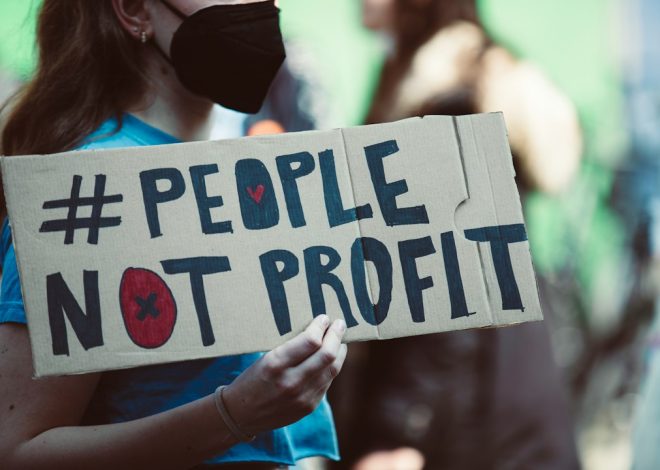
Using ai for nonprofits can help teams prepare grant drafts, organize donor records, answer routine questions, and summarize program information. The useful starting point is a task that consumes scarce staff time and has an output someone can verify. Protecting beneficiaries and preserving honest reporting matter more than producing a larger volume of text. This […]

AI in hotels: 7 Workflows to Test Before You Invest
Using ai in hotels can support guest enquiries, housekeeping planning, maintenance, demand estimates, and management reporting. The practical benefit comes from connecting a specific task with current hotel records and a clear staff handoff. A fluent assistant cannot confirm a room, promise an upgrade, or resolve an emergency unless the approved operating process supports that […]

AI for restaurants: 7 Practical Uses and Buying Checks
Using ai for restaurants can help managers forecast demand, prepare stock orders, organize guest enquiries, and investigate operating problems. Its value depends on the task, the quality of the restaurant’s data, and the checks around its recommendations. A tool that drafts a useful prep plan still needs someone who understands the kitchen to approve it. […]

AI in law firms: 7 Useful Workflows and the Checks They Need
Using ai in law firms can help with document-heavy work such as summarizing files, comparing drafts, and finding information in an approved knowledge collection. However, the software can also produce confident errors or expose sensitive material if the firm uses it without clear controls. The useful question is which task it can assist, what evidence […]

Training effectiveness: 7 Steps to Measure Learning and Job Results
Training effectiveness measures whether learning helps people do the required work better. Attendance, completion, and positive feedback provide useful signals, but they do not prove that someone can perform a task or apply a new skill on the job. A sound evaluation connects the training objective with evidence of learning and later work performance. For […]
Sales rep performance metrics: 9 Measures for Fairer Coaching
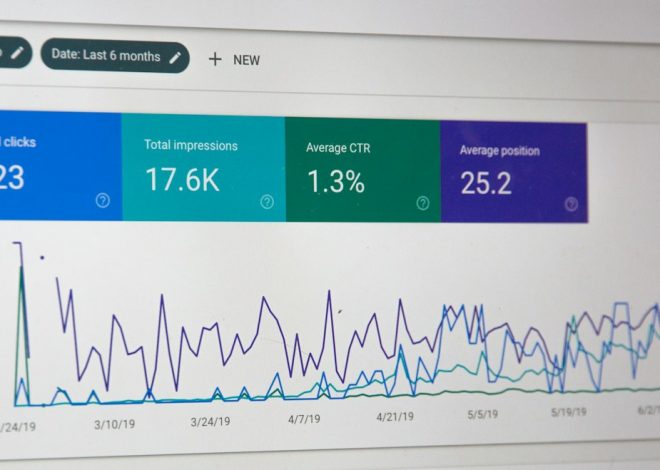
Sales rep performance metrics show how a salesperson turns suitable enquiries into profitable business. The most useful measures connect activity, pipeline progress, sales outcomes, and customer fit. They help managers coach specific problems instead of judging every rep by call volume or one month’s revenue. For a trades or field-service business, sales may involve site […]

Project management kpi: 9 Measures That Guide Better Decisions
A project management kpi connects a project goal with a measure that tells the team when to act. Useful indicators show whether work meets agreed dates, cost limits, quality standards, and customer needs. A dashboard becomes valuable when each result has an owner and a clear response. For a contractor, installation firm, or service business, […]

Lead time vs cycle time: 7 Differences That Improve Planning
Lead time vs cycle time compares two views of how long work takes. Lead time usually covers the customer’s full wait from request to delivery. Cycle time covers a defined part of the work process. The difference helps teams separate slow execution from delays before or between tasks. However, teams use these terms in different […]