



CLM Software: 10 Features, 7 Contract Lifecycle Stages, and How to Choose in 2026
CLM software (contract lifecycle management software) is a platform that manages every stage of a contract, from the first request and draft through negotiation, approval, signature, storage, obligations, and renewal. Instead of chasing Word files across email threads, legal, sales, and procurement teams work in one system with templates, workflows, and a searchable repository. As […]
Demand Planning Software: 10 Features for Smarter Forecasts in 2026
Demand planning software helps businesses predict how much of each product customers will buy, when, and where. It combines sales history, seasonality, promotions, market signals, and team input to produce forecasts that guide purchasing, production, inventory, and staffing. When companies plan demand with spreadsheets and gut feel, they end up with stockouts on popular items […]

Performance Appraisal Software: 10 Features for Fairer, Faster Reviews
Performance appraisal software helps organizations plan, run, and document employee reviews in one system. Employee appraisal software replaces paper forms and scattered documents with structured review cycles, goal tracking, feedback, ratings, and reports. When appraisals depend on memory and spreadsheets, reviews become inconsistent, managers struggle to give specific feedback, and HR cannot see trends across […]

Compliance Automation Software: 10 Features for Faster Audit Readiness
Compliance automation software helps organizations meet security, privacy, and regulatory requirements with less manual work. A compliance automation platform maps your controls to frameworks such as SOC 2, ISO 27001, or the NIST Cybersecurity Framework, connects to your cloud and business systems, collects evidence automatically, and alerts teams when a control fails. Without automation, compliance […]
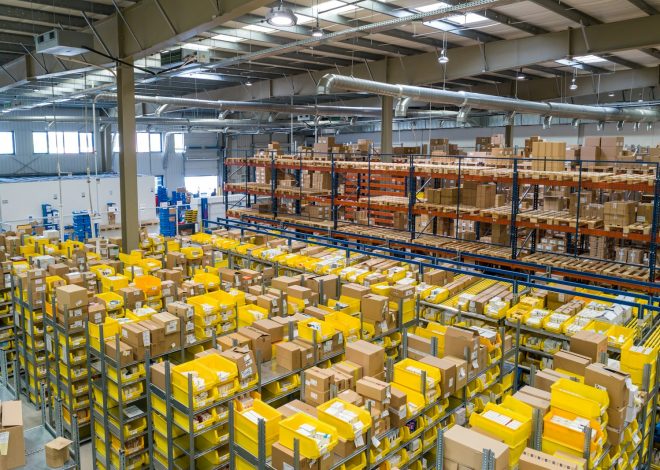
BOM Management Software: 10 Features for Accurate Product Data in 2026
BOM management software helps manufacturers create, control, and share their bills of materials across engineering, purchasing, production, and quality teams. A bill of materials (BOM) lists every part, subassembly, raw material, and quantity needed to build a product. When BOMs live in spreadsheets, versions drift apart, purchasing orders the wrong parts, and production builds from […]
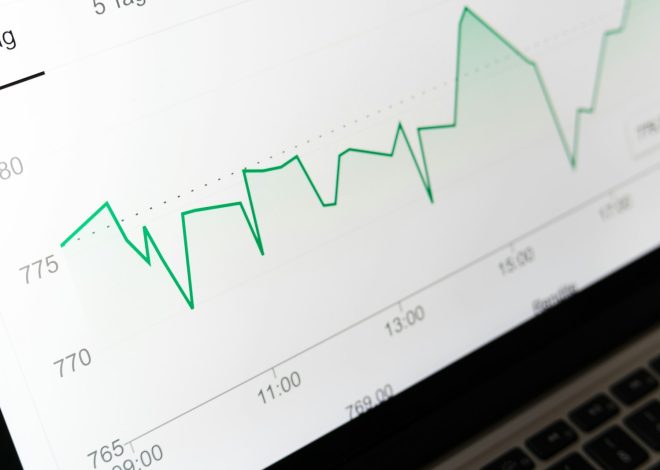
Treasury Software: 10 Capabilities for Better Cash Visibility and Control
Treasury software helps finance teams manage cash, bank accounts, payments, liquidity, and financial risk from one central system. Treasury management software gives CFOs and treasurers a real-time view of cash positions across banks and entities, forecasts future cash needs, automates payments, and supports decisions about borrowing, investing, and currency exposure. As companies grow, spreadsheets and […]

CLM Contract Management: 10 Features That Protect Contract Value in 2026
CLM contract management, short for contract lifecycle management, is the process and software used to manage contracts from first request to renewal or expiry. Contract lifecycle management software brings drafting, negotiation, approval, signature, storage, obligation tracking, and renewals into one system. Without it, contracts often sit in email threads and shared drives, and teams miss […]

Receipt Management App: 10 Features for Faster, Audit-Ready Bookkeeping
A receipt management app helps businesses capture, organize, and store receipts digitally instead of keeping paper in shoeboxes and envelopes. Users snap a photo or forward an email, and the app reads key details such as vendor, date, amount, and tax, then files the receipt against the right expense category, project, or client. For small […]

Learning Management Software for Small Business: 10 Features to Compare in 2026
Learning management software for small business is a tool that helps small teams create, deliver, and track employee training in one place. Instead of scattered slide decks, shared drives, and spreadsheets, a learning management system (LMS) organizes courses, assigns them to the right people, and records who completed what. For small businesses, training often happens […]

Types of ERPs: 8 ERP System Types Compared for 2026
The main types of ERPs are usually grouped by how they are deployed, who they are built for, and how much of the business they cover. ERP stands for enterprise resource planning, a system that connects finance, inventory, purchasing, sales, production, and HR in one shared database. Choosing the wrong type of ERP system can […]