






Feature Flag Management Tools: 9 Controls for Safer Releases and Cleanup
Feature flag management tools let a team change selected application behavior without treating every change as a new deployment. A flag can expose a feature to a defined group, stage a rollout, or provide an operational switch. The value depends on clear rules, safe defaults, and a plan for removing temporary flags. This article covers […]

IT Service Catalog: Build 8 Request Paths Employees Can Actually Use
An IT service catalog is a structured list of services people can request, with a clear path from selection to fulfillment. It tells employees what is available, who qualifies, what data to provide, and what happens next. A useful catalog reduces the need to guess which team or email address handles the work. This article […]

Land Management Software: Connect Parcels, Source Records, and Change History
Land management software organizes parcels, source documents, spatial data, rights-related records, and administrative work. The term can also describe property operations or land-use planning. Define the workflow first: maintaining parcel records differs from managing rent or maintenance. This article focuses on land records and parcel administration. It covers sources, maps, history, access, migration, and a […]

Feed Formulation Software: Control Ingredients, Constraints, and Mill Handover
Feed formulation software helps teams combine ingredients within defined nutritional, operational, and commercial constraints. It compares formulas as ingredient values, prices, and availability change. The useful output is a reviewed specification the mill can produce, rather than simply the cheapest mathematical result. This article covers ingredient data, constraints, optimization, versions, approval, mill exchange, and a […]

Hydraulic Modeling Software: Choose the Right Model for the Water System
Hydraulic modeling software estimates how water moves through a defined system under selected conditions. Depending on the tool, it can support pressurized pipes, rivers, channels, or other flow problems. Choose the model around the physical system and engineering question rather than a familiar product name. This article compares tool categories and explains geometry, boundaries, calibration, […]
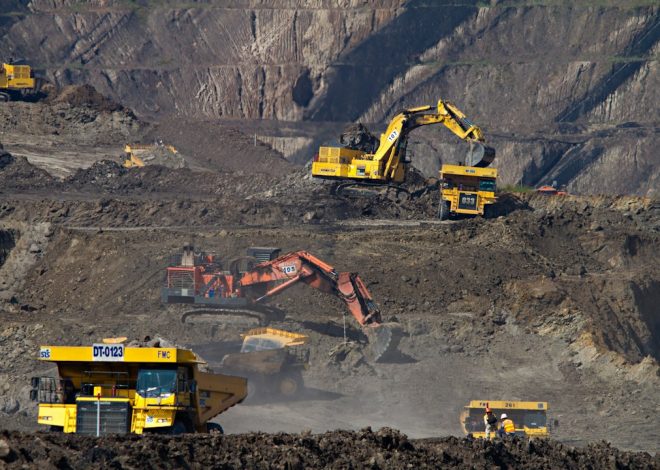
Mining Software: Connect Geological Models, Mine Plans, and Actual Work
Mining software supports geological interpretation, design, scheduling, production records, and other site workflows. The category is broad. A geological modeling tool and a scheduling platform may exchange information while solving different problems. The right choice follows the decisions your team owns. This article covers software layers, data handovers, plan control, a schedule-change example, and a […]

Reservoir Simulation Software: Compare Models, Forecasts, and Uncertainty
Reservoir simulation software estimates how fluids move through a reservoir under defined physical and operating assumptions. Engineers use it to compare scenarios and investigate uncertainty. A simulation is a model-based forecast, so its value depends on evidence, assumptions, and review. This article covers physics, grids, data preparation, history matching, controls, scenarios, computing, and reproducibility. It […]

Civil Engineering Software: Choose Tools for Survey, Design, and Delivery
Civil engineering software supports survey data, terrain models, roads, grading, drainage, quantities, and project documents. The category contains many tools, so there is no single best choice for every firm. A useful setup follows the deliverables the team owns and the information it exchanges. This article covers the main software roles, selection checks, a worked […]

Energy Modeling Software: Compare Building Scenarios on a Clear Basis
Energy modeling software estimates how a building uses energy under defined conditions. It combines geometry, fabric, weather, occupancy, schedules, and system assumptions to simulate performance. Its value is comparing choices on a clear basis, rather than promising an exact future bill. This article explains the modeling workflow, engine and interface choices, input controls, scenario comparison, […]

MEP Software: 8 Buying Checks for Connected Building Systems
MEP software helps teams design, model, calculate, coordinate, and document mechanical, electrical, and plumbing systems. The term includes several kinds of tool. A modeling application, load calculation tool, and fabrication package can support the same project without performing the same role. The right choice follows the deliverables your team owns. This article covers eight buying […]