






Freight management system: 8 Checks from Shipment Plan to Freight Bill
A freight management system connects shipment planning, carrier booking, transport updates, and freight costs. It gives logistics teams one place to manage a movement from the original order to the final bill. The best fit depends on whether you ship your own goods, broker loads, or arrange transport for customers. This article explains the main […]

Scheduling calendar software: 9 Checks for Reliable Team Bookings
For service teams, scheduling calendar software shows when people and resources can take on work. It also turns that availability into confirmed bookings. For a service business, the right system must account for working hours, job length, travel, and changes. A calendar that looks clear can still promise an appointment your team cannot deliver. This […]

Higher Education CRM: Connect Inquiry, Applications, and Student Handoffs
A higher education CRM helps an institution manage relationships and actions across inquiry, recruitment, application, and later engagement. Its usefulness depends on keeping the person distinct from each program interest and application. One learner can explore several options without becoming several unrelated people. This guide focuses on recruitment and admissions, with a controlled handoff to […]

Fixed Asset Manager Software: Keep the Register, Lifecycle, and Ledger Connected
Fixed asset manager software maintains the records that connect an asset’s acquisition, financial treatment, location, and eventual disposal. Its value is a register the finance and operating teams can reconcile and explain. A long list of equipment without reliable lifecycle history is not enough. This guide focuses on selecting and implementing the software. Accounting methods, […]

Utility Asset Management: Connect Network Records, Field Evidence, and Work History
Utility asset management connects the identity, condition, location, work history, and lifecycle decisions of infrastructure assets. A useful system helps staff understand what an asset is, how it relates to the network, and which evidence supports the next maintenance or investment decision. This guide focuses on the information and software workflow. It does not prescribe […]

Automated Customer Service: Resolve Routine Requests and Hand Off Exceptions Clearly
Automated customer service uses rules, self-service tools, and sometimes AI to help customers complete routine tasks or find answers. It works well when the request is clear, the information is current, and the system knows when to involve a person. A fast reply has little value if it leaves the customer’s problem unresolved. This guide […]

Invoice Automation: Build a Controlled Process From Receipt to Approved Posting
Invoice automation reduces repeated work across receiving, checking, approving, and recording supplier invoices. A useful setup does more than extract text from a document. It connects that document to the right supplier, purchase, receipt, approval, and accounting record. This guide focuses on accounts payable rather than creating invoices for customers. The two processes have different […]

Timekeeping Software for Lawyers: Capture Work Clearly and Review It Before Billing
Timekeeping software for lawyers should help a firm record work against the correct matter and turn those records into reviewable billing information. Starting a timer is only the first step. The firm also needs clear narratives, appropriate rates, controlled corrections, and a dependable handoff to billing. This guide focuses on software evaluation and operating workflow. […]

Preventive Maintenance Scheduling Software: Test Due Dates, Meters, and Missed Work
Preventive maintenance scheduling software decides when planned work becomes due and helps the team prepare, assign, and complete it. The important detail is the scheduling rule. A monthly task can behave very differently depending on whether its next date follows the original calendar or the last completion. This guide focuses on those scheduling decisions. It […]
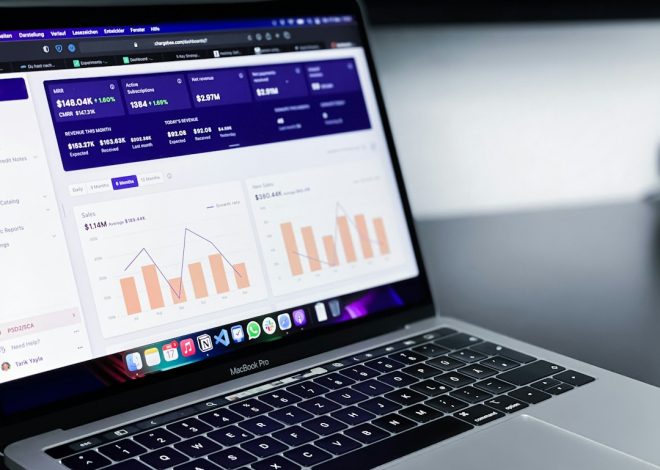
Inventory Forecasting Software: Turn Demand Estimates Into Explainable Replenishment
Inventory forecasting software connects expected demand with the stock and supply available to meet it. A demand estimate alone does not tell a buyer what to order. The decision also depends on usable stock, incoming supply, supplier lead time, purchase constraints, and the business’s inventory policy. This guide focuses on that replenishment decision. It explains […]