
General

Inventory Tracking Programs: 10 Features, 4 Types, and How to Pick the Right One
Inventory tracking programs are software tools that record how much stock you have, where it sits, and how it moves in and out of your business. They replace manual counts and spreadsheets with a live record that updates every time you receive, sell, transfer, or adjust an item. As a result, you avoid stockouts, cut […]

Operations Software: 10 Features, Real Examples, and How to Choose in 2026
Operations software is any system that helps a business plan, run, track, and improve its day-to-day work in one place. Instead of juggling spreadsheets, email threads, and disconnected apps, teams use operations software to manage tasks, approvals, inventory, scheduling, assets, and reporting from a shared source of truth. As a result, managers see problems sooner, […]

Auto Dealership CRM Software: 10 Features That Improve Vehicle Sales
Auto dealership CRM software helps dealerships manage buyers from their first inquiry through test drives, trade-in offers, financing handoffs and vehicle delivery. Unlike a generic contact database, a dealership CRM must connect customer conversations to actual vehicle inventory and the steps that lead to a completed sale. This guide explains ten features to evaluate, how […]

Waste Disposal Software: 10 Features for Haulers and Roll-Off Operators
Waste disposal software helps waste haulers, roll-off container operators and commercial collection businesses coordinate dispatch, assets, disposal tickets and customer billing. It replaces the fragile chain of phone calls, spreadsheets and paper tickets that can cause missed pickups, lost containers and invoice disputes. Choosing a system requires more than checking whether it has a scheduling […]
Human Resources Onboarding Software: 10 Features and a 90-Day Rollout Plan
Human resources onboarding software coordinates the work between offer acceptance and a new employee becoming productive. It brings together HR documents, IT access, equipment, training, manager check-ins and payroll handoffs. Unlike a simple digital checklist, a useful system assigns tasks to the right people, records completion and alerts owners when a dependency fails. This guide […]
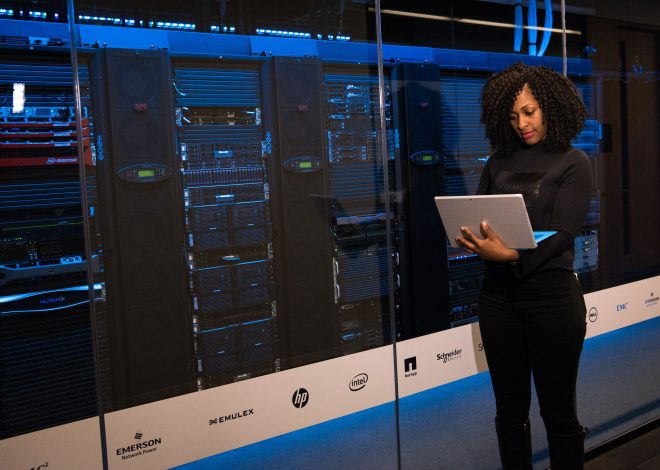
Database Migration Services: 10 Steps for a Safer Production Cutover
Database migration services move database structures, records and dependent applications to a new server, managed platform or database engine. The hardest part is rarely copying rows. Teams must preserve business meaning, relationships, performance and recoverability while controlling downtime. This guide covers ten stages of a production migration, the differences between offline and low-downtime approaches, validation […]

AI document processing: 10 Workflows, Validation Checks, and Implementation Steps
AI document processing converts incoming PDFs, scans, and images into searchable text and structured business records. It combines OCR, classification, field extraction, and validation. The real value comes from reliable data flowing into business workflows. This guide explains concrete features, examples, risks, selection criteria, and a phased rollout plan. What AI document processing does and […]
Master data governance: 10 Practices for Reliable Customer and Product Records
Master data governance sets rules for creating, maintaining, approving, and sharing trusted customer, supplier, product, and location records. It helps prevent duplicates and conflicting values across CRM, ERP, and reporting systems. This guide covers the capabilities that matter, realistic examples, implementation choices, and risks that buyers should test. What Master data governance means for a […]

Business rules engine: 10 Use Cases, Decision Tables, and Architecture Tips
A business rules engine evaluates defined conditions and returns consistent decisions. It helps when pricing, eligibility, routing, and approval rules change frequently or appear across several applications. This guide covers the capabilities that matter, realistic examples, implementation choices, and risks that buyers should test. What Business rules engine means for a business A business rules […]
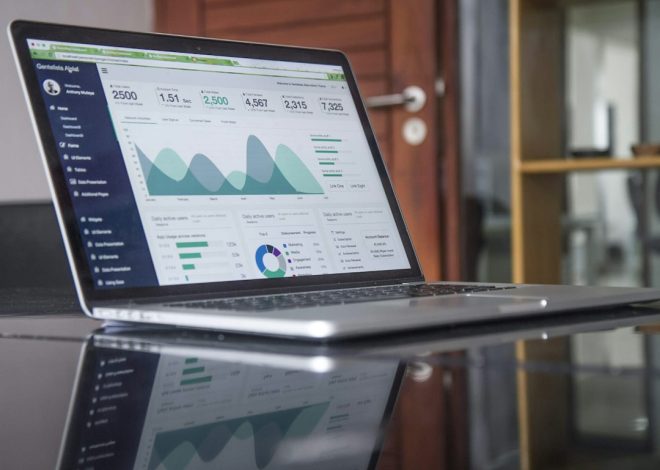
Customer data platform software: 11 Features, CDP Use Cases, and Buying Questions
Customer data platform software combines customer events and attributes into profiles that teams can use for segmentation and coordinated experiences. It differs from a CRM’s sales focus and a warehouse’s broad analytics role, though platforms overlap. This guide covers the capabilities that matter, realistic examples, implementation choices, and risks that buyers should test. What Customer […]