

Customer Database Program: 10 Features for a Reliable Customer Record
A customer database program gives a business one structured place to store customer companies, contacts, addresses, communication history, opportunities, tasks, documents, and other relationship data. The goal is not merely to collect names. It is to create a reliable customer record that sales, service, operations, and management can use consistently. This guide covers ten capabilities, […]
Partner Portal Software: 10 Features for Better Channel Collaboration
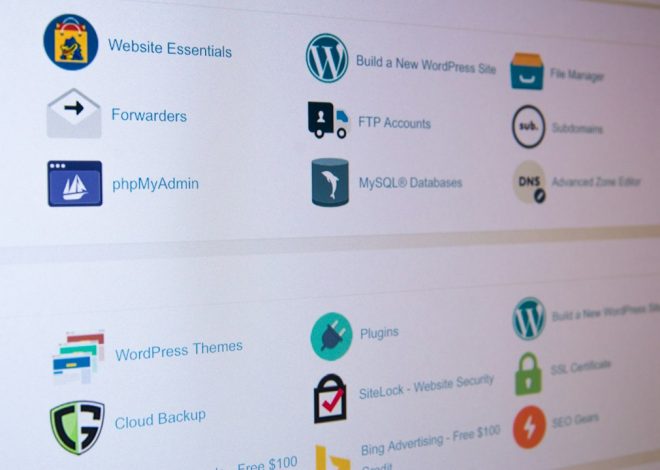
Partner portal software gives resellers, distributors, referral partners, suppliers, or other external business partners a secure place to access the information and workflows they need. Instead of relying on email chains and shared folders, a portal can centralize onboarding, resources, deal registration, support, documents, and communication. This guide explains ten portal capabilities, how to evaluate […]

MaintainX CMMS vs eMaint CMMS: 10 Areas Maintenance Teams Should Compare
MaintainX CMMS and eMaint CMMS are maintenance platforms designed to help teams manage work orders, assets, preventive maintenance, parts, procedures, and maintenance reporting. A useful comparison should go beyond feature checklists and focus on how each product fits the way technicians, planners, and managers actually work. This article compares ten practical areas, explains what to […]

Maintenance Work Order Software: 10 Features That Keep Maintenance Organized
Maintenance work order software gives maintenance teams a structured way to receive requests, prioritize work, assign technicians, schedule preventive tasks, record parts and labor, and preserve asset history. It replaces scattered calls, paper tickets, and spreadsheets with a workflow managers can monitor from request to completion. This guide covers ten essential capabilities, how maintenance scheduler […]

Job Costing in QuickBooks Online: 10 Setup and Workflow Best Practices
Job costing in QuickBooks Online helps project-based businesses connect income and direct costs to individual jobs so they can review profitability instead of relying only on company-wide financial statements. The quality of that reporting depends heavily on how consistently projects, transactions, and labor are set up. This article focuses on setup and workflow rather than […]

QuickBooks Costing: 9 Ways to Improve Project Cost Visibility
QuickBooks costing usually refers to using QuickBooks project and transaction features to track income and costs associated with specific jobs. For project-based businesses, the goal is to understand whether each job is profitable while there is still time to correct problems. This guide explains how QuickBooks project costing works at a practical level, nine ways […]

Cost Estimation Software: 10 Features for More Reliable Project Estimates
Cost estimation software helps businesses turn labor, materials, equipment, subcontractor costs, overhead, and risk assumptions into consistent project estimates. Instead of rebuilding every quote in a separate spreadsheet, teams can use shared cost libraries, templates, approval rules, and estimate-to-actual feedback. This guide covers the ten capabilities that matter most, how project estimation software connects with […]

Document Revision Control Software: 12 Features for Reliable Version Control
Document revision control software helps teams manage changing documents without losing track of which revision is current, who approved it, or what changed. It replaces informal file naming and email-based reviews with a structured history that users can trust. This guide explains the most important features, the difference between revision control and document version control […]
Project Document Management: 12 Practices for Better Document Control
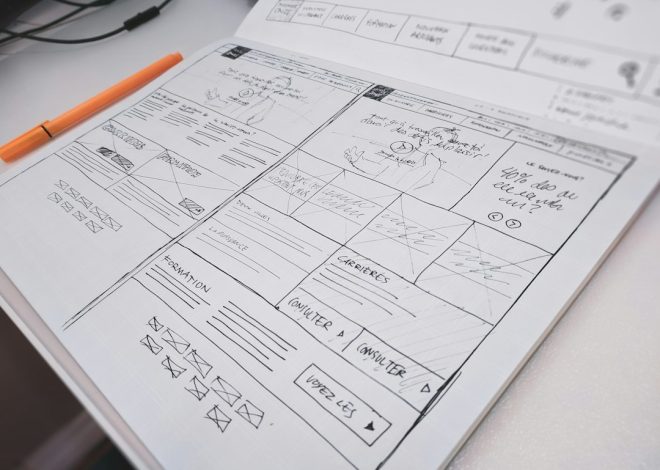
Project document management is the process of organizing, controlling, sharing, reviewing, and retaining the documents that support a project. It gives teams a reliable way to find the current file, understand its status, and trace important changes without relying on personal folders or email threads. This guide covers 12 practical document-control practices, how enterprise documentation […]

Cloud Based Document Management: 10 Features for Better File Control
Cloud based document management gives teams a controlled place to store, find, share, review, and update business documents from anywhere. Instead of files being scattered across local folders, shared drives, email attachments, and personal devices, the system creates a structured source of truth. This guide covers ten features that matter most, how document version management […]