

Electronic Signature Software: 10 Features, Legal Basics, and How to Choose in 2026
Photo by Annika Wischnewsky on Unsplash Electronic signature software lets people sign contracts, forms, and approvals online instead of printing, signing, and scanning paper. It also tracks who signed, when they signed, and whether anyone changed the document afterward. For most businesses, electronic signature software shortens deal cycles from days to minutes, cuts paper costs, […]

Clinical Trial Management System: 11 CTMS Features, Compliance Needs, and How to Choose
Photo by National Cancer Institute on Unsplash A clinical trial management system (CTMS) is software that helps sponsors, contract research organizations (CROs), and research sites plan, track, and control every operational part of a clinical study. It brings study timelines, site activity, patient enrollment, monitoring visits, budgets, and documents into one place. Because trials involve […]

Manufacturing Execution System: 11 MES Functions, ERP Integration, and a Practical Rollout Plan
A manufacturing execution system (MES) is software that manages, tracks, and documents production on the shop floor in real time. It takes production orders from planning systems such as ERP, guides operators through each step, collects data from machines and people, and records exactly what was made, how, when, and by whom. As a result, […]
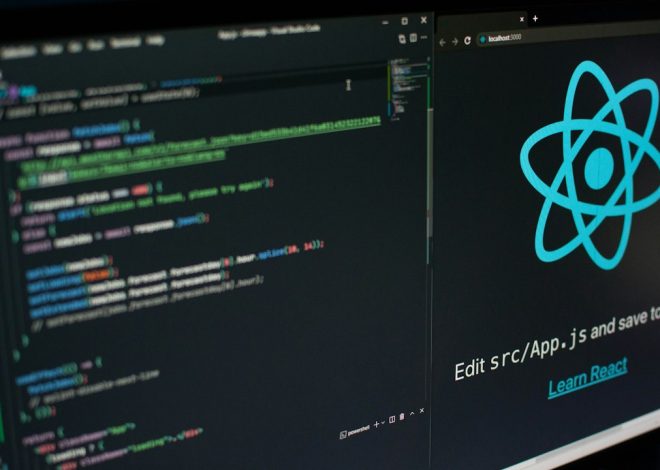
React Native Mobile Development: 9 Benefits, Limits, and How to Plan Your App in 2026
React Native mobile development is an approach to building iOS and Android apps from a single JavaScript or TypeScript codebase using the React Native framework. Instead of writing two separate native apps, teams write most of the code once and render real native components on each platform. As a result, businesses can launch on both […]
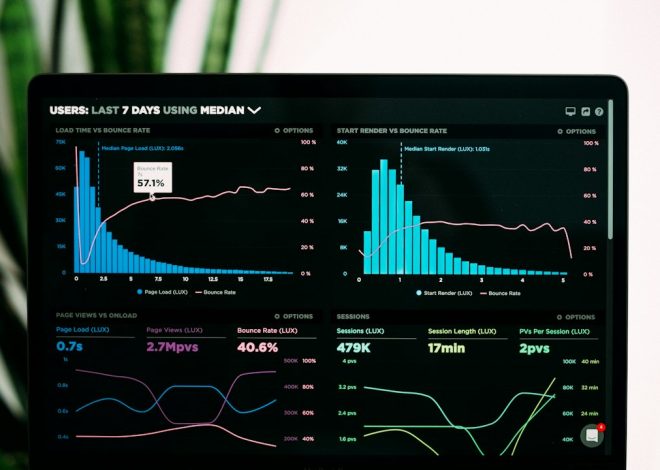
Power BI Dashboard: How to Build One in 8 Steps, Plus Design Tips and Examples
A Power BI dashboard is a single-page view in the Power BI service that brings your most important metrics together as visual tiles, so you can monitor business performance at a glance. Each tile links back to a report or dataset, which means viewers can move from a high-level number to the detail behind it […]

Fleet Manager Software: 12 Features to Cut Costs and Keep Vehicles Compliant in 2026
Fleet manager software is a platform that helps businesses track, maintain, and control their vehicles, drivers, and related costs from one dashboard. It brings together GPS location, maintenance schedules, fuel spending, driver behavior, inspections, and compliance records that would otherwise live in separate spreadsheets and paper files. As a result, fleet managers reduce downtime, control […]

Warehouse WMS: 11 Core Features, Types, and a Step-by-Step Selection Guide for 2026
A warehouse WMS (warehouse management system) is software that directs and records every physical movement of stock inside a warehouse, from the moment goods arrive at the dock to the moment they leave on a truck. Unlike basic inventory software, which mainly tracks how much you have, a warehouse WMS tells workers exactly where to […]

Laboratory Information Management: 10 LIMS Features, Compliance Needs, and Selection Tips
Laboratory information management is the practice of tracking samples, tests, results, instruments, and people across a lab’s workflow using a dedicated software system, usually called a LIMS (laboratory information management system). A LIMS replaces paper logbooks and disconnected spreadsheets with a central record that shows where every sample is, what tests it needs, who ran […]

Candidate Tracking Software: 10 Features That Speed Up Hiring in 2026
Candidate tracking software is a system that stores every job applicant’s details, follows them through each hiring stage, and keeps recruiters, hiring managers, and interviewers working from the same information. Instead of scattered resumes in inboxes and status updates in spreadsheets, the whole hiring pipeline lives in one place. As a result, teams respond to […]

Regression Testing in Software Testing: 6 Types, a 7-Step Process, and Best Practices
Regression testing in software testing is the practice of re-running tests after a code change to confirm that features which already worked still work. Every bug fix, new feature, library upgrade, or configuration change can break something elsewhere in the application. Regression testing catches those side effects before your users do, which protects revenue, reputation, […]